


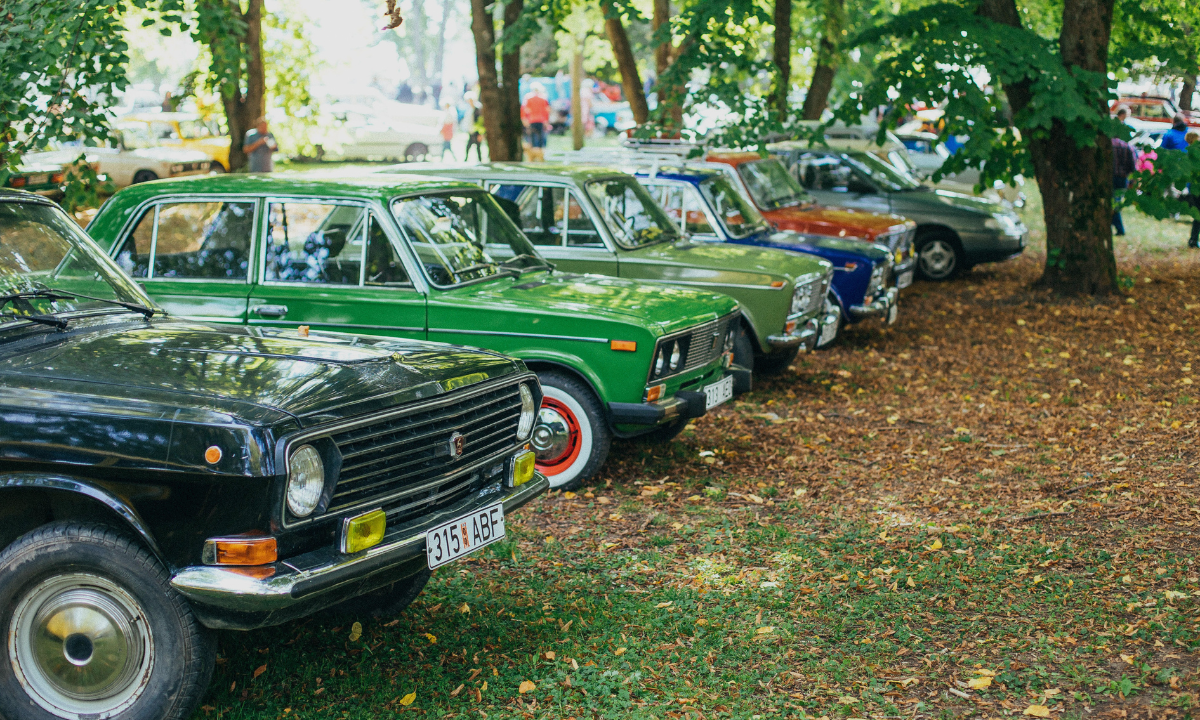

For generations of Australian motoring enthusiasts, the local car club was the undisputed pillar of the community. Meeting in community halls on Tuesday nights, buying physical raffle tickets and drinking instant coffee while discussing cylinder heads was a rite of passage.
But behind the closed doors of committee rooms across Australia, a quiet bureaucratic war is raging. Old-school, registered car clubs are facing an existential crisis.
As state transport authorities tighten the administrative screws on historic registration and conditional “club plate” schemes, traditional committees are being buried under a mountain of regulatory compliance. At the exact same time, a younger generation of drivers is turning its back on formal club structures entirely, threatening a total membership collapse.
The Weight of the Crown: The Club as a State Auditor
To understand the tension, you have to look at how historic logbook schemes actually function. In states like Victoria (CPS), New South Wales (HVS) and South Australia (Conditional Registration), the state government delegates policing power directly to the clubs.
To access cheap, conditional registration and drive a classic machine 45 or 90 days a year, an enthusiast must remain a financial member of an approved club.
This means volunteer club secretaries and registration officers are legally transformed into unpaid compliance officers for the government. Committees must meticulously verify financial statuses, audit structural modifications against strict vehicle standards, maintain physical vehicle photo registries and legally report any lapsed members to the authorities.
If a club fails a state audit, or if a member is caught abusing their logbook, the state can instantly strip the entire club of its licensing authority. For aging, volunteer-run committees operating off paper ledgers and legacy spreadsheets, this high-stakes administrative load is becoming too heavy to bear.
The Digital Escape: Why the Youth are Moving On
While older committees struggle with the administrative weight, younger car builders raised on instant communication are rejecting the traditional club model.
[Traditional Club Setup] ➔ Monthly Hall Meetings ➔ AGM Votes ➔ Paper Logbooks & Audits
[Modern Digital Crew] ➔ Instagram Group Chats ➔ Discord Servers ➔ Pop-Up Meets via Facebook
Rather than paying annual fees, attending compulsory monthly meetings and voting on club constitutions just to keep a car on the road, younger enthusiasts are gravitating toward informal, highly agile digital communities. Why sit through a three-hour committee AGM when you can coordinate a hundred-car canyon run in five minutes via an Instagram group chat?
Because many young custom builders and modified car owners run vehicles that push the boundaries of “period-correct” classic definitions, they also find the strict, often conservative gatekeeping of traditional historic committees highly off-putting. The result is a widening cultural chasm.
The Verdict
The decline of the traditional car club isn’t just a loss of nostalgia; it is a direct threat to the survival of the cheap club plate schemes that keep classic car culture alive. If the old-school clubs collapse under the weight of state compliance, the legal framework allowing us to run vintage and modified cars affordably on public roads could vanish with them.
For car clubs to survive, a bridge must be built. Committees must ditch the paper logbooks, simplify their digital footprints and welcome modified, younger-generation car builds with open arms. Our motoring heritage depends on it.