




For decades, joining a local car club down under wasn’t just about weekend cruises and swapping mechanical advice. For owners of classic chrome, retro muscle and vintage JDM imports, it was the gateway to affordable motoring via conditional registration schemes popularly known as “club plates” or “red plates”.
These schemes offer up to 90 days of flexible logbook driving for a fraction of full road registration costs. However, a major enforcement blitz has sent shockwaves through the grassroots community, proving that the era of using car clubs to sneak heavily modified street weapons past state transit authorities is officially over.
The Silverwater Blitz: Factual Fallout
The definitive warning shots were fired directly by Transport for NSW (TfNSW). In a targeted compliance crackdown, transport inspectors audited conditionally registered vehicles from multiple affiliated car clubs at a dedicated inspection hub in Silverwater.
The raw data from the operation outlines a stark reality for local clubs:
- Vehicles Audited: 46 vehicles underwent detailed roadside safety and eligibility inspections.
- Defect Notices Handed Out: 25 formal vehicle defect notices were issued on the spot.
- Major Failures: 16 vehicles were grounded with major safety defects, with 6 deemed entirely unsafe to drive away from the venue.
- Scheme Ineligibility: 19 vehicles were stripped of their historic or classic status completely due to unauthorized, non-period-correct performance modifications.
As a direct result, authorities initiated registration cancellation for 39 non-compliant vehicles, while individual club officials face severe fallout for signing off on un-engineered machinery.
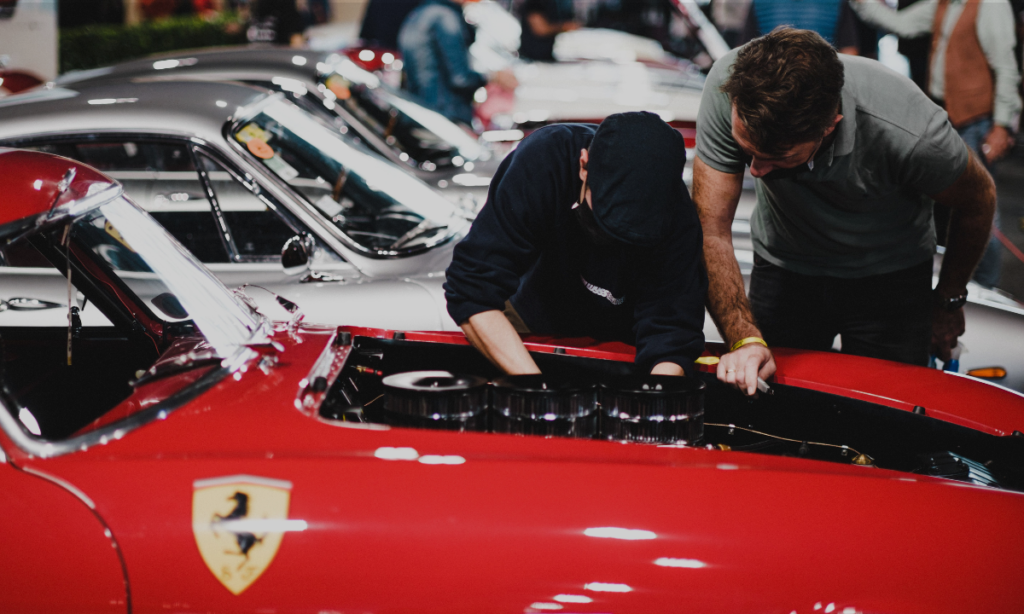
The New Reality: VSI 06 and Engineered Compliance
This enforcement blitz marks a permanent cultural shift. Car clubs are no longer being treated as casual hobby groups; state transit authorities now view them as the critical first line of regulatory compliance.
To protect their government-approved status, car clubs nationally are tightening their internal scrutiny. Under the updated VSI 06 Light Vehicle Modifications framework, the boundary for what constitutes an acceptable period-correct accessory versus a major alteration requiring a formal compliance certificate from a licensed certifier is strictly enforced.
The Warning for Builders: If your classic, muscle, or retro performance build features modifications that deviate from original factory specifications without a valid engineering report, your club logbook is legally invalid.
The Verdict
The classic car club scene is an essential pillar of Australian car culture, but preserving cheap club registration requires absolute compliance. If you are running a genuine classic, keep it maintained to factory standards. If you are building a highly modified street beast, pay the premium for a legal engineering signatory. Cleaning up your build isn’t just about avoiding a heavy police defect notice, it’s about saving the club plate scheme for the next generation of Aussie enthusiasts.