


For over a decade, professional nano-ceramic coatings (SiO2) held the undisputed crown for automotive paint protection down under. They promised to replace traditional waxing, offering intense hydrophobic water-beading, UV defense, and a candy-like gloss that kept everything from classic chrome muscle cars to modern track-bred sports coupes looking immaculate.
But the elite detailing space has transitioned into a new technical era. The modern benchmark for high-tier paint armor is graphene-infused coating technology. By introducing a hexagonal lattice of carbon atoms (graphene oxide) directly into the traditional silicon dioxide base, chemistry has fundamentally altered surface dynamics to face harsh Australian elements.
Ceramic vs. Graphene: The Factual Showdown
While both formulations deliver brilliant gloss and chemical resistance against coastal salt air, the physical variances are distinct for real-world performance driving.
| Performance Metric | Traditional Ceramic Coating | Graphene-Enhanced Coating |
| Average Longevity | 2 to 5 Years | 5 to 7 Years |
| Water Contact Angle | Approx. 110° | Up to 120° (Tighter Beading) |
| Thermal Tolerance | Defeated above 750°C–850°C | Resilient up to 1,200°C |
| Aesthetic Characteristic | Crisp, sharp metallic shine | Deep, rich “wet look” finish |
| Starting Price (Australia) | From $790 | From $1,290 |
The True Graphene Edge: Heat and Water Spots
The primary structural flaw of traditional ceramic coatings is their vulnerability to water spotting. When mineral-heavy rain or bore water dries on a hot bonnet, calcium deposits bond tightly to the SiO2 layer, causing permanent etching.
Graphene completely alters this interaction. Because graphene is highly conductive, it rapidly dissipates surface heat across the panel rather than trapping it.
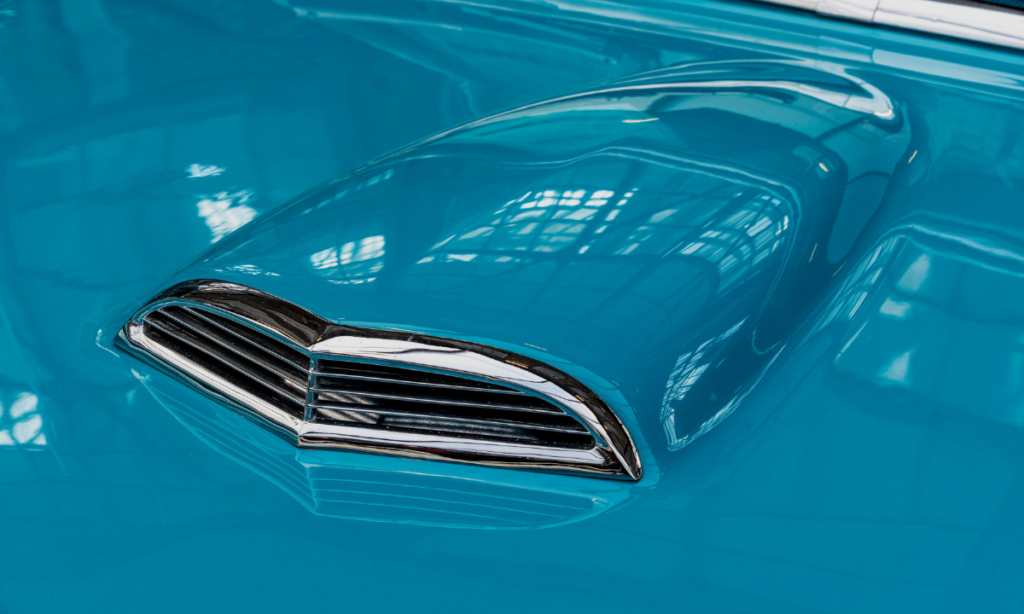
- Thermal Protection: Graphene handles temperatures up to 1,200°C. This makes it exceptionally resilient on engine bay surrounds, exhaust exits, and bonnets baked under a blistering Australian summer sun.
- Mineral Resistance: The increased water contact angle of up to 120° causes water to compress into tighter beads that roll away instantly during movement, heavily reducing mineral bonding.
- Anti-Static Shielding: Graphene coatings possess natural static-dissipative properties. This minimizes dust and road-grime accumulation on the vehicle’s top coat, meaning your street machine stays clean far longer between maintenance washes.
The Verdict
Choosing your paint armor comes down to vehicle usage and your build budget. If you are prepping a silver or metallic classic car for standard weekend cruising, a time-tested ceramic application delivers incredible, sharp value. However, if you are protecting a high-power street racing build or a dark-painted muscle machine that experiences intense thermal loads and direct sun exposure, stepping up to a professional graphene shield is a mandatory investment to lock in your paint’s long-term survival.