


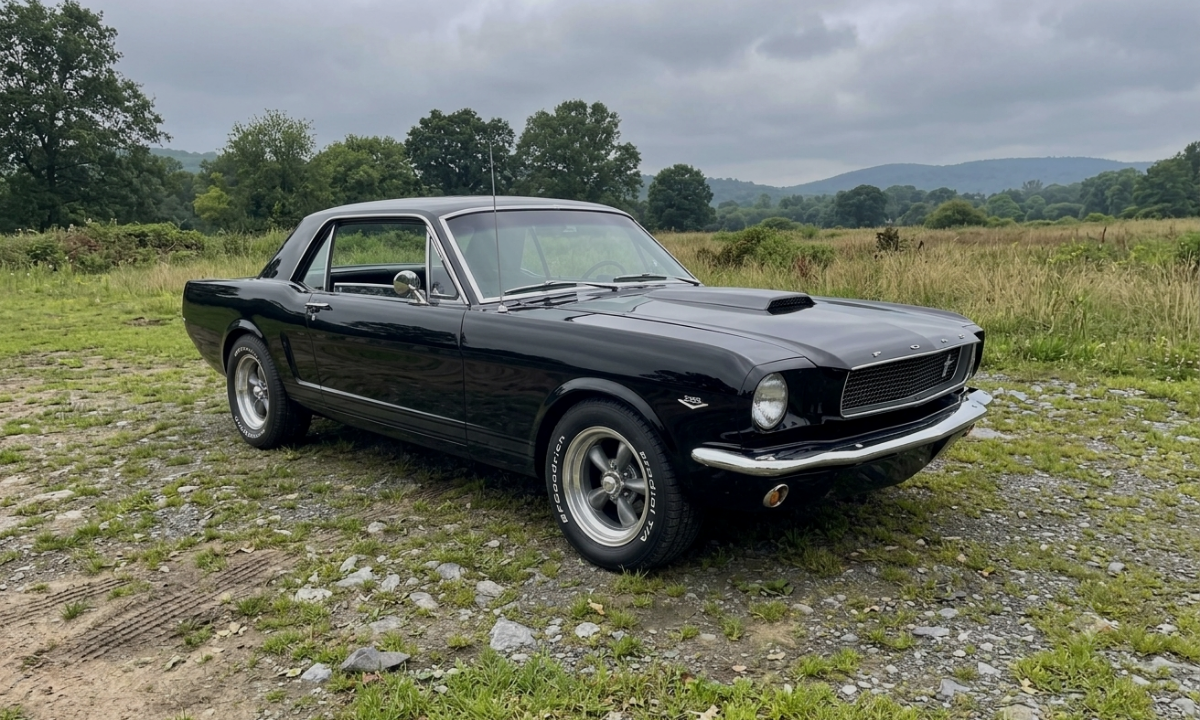

In the mid-1960s, Ford Australia was facing an existential crisis. The early XK and XL Falcons had taken a severe beating on rough, unsealed local roads, fracturing consumer confidence. With General Motors Holden absolutely dominating the sales charts, Ford needed an aggressive strategy to convince local buyers that its upcoming 1966 XR Falcon was robust, sporty and world-class.
The man with the blueprint was an American-born marketing manager named Bill Bourke. His solution was one of the most audacious marketing ploys in local automotive history: importing a special batch of left-hand drive (LHD) American Mustangs and converting them to right-hand drive (RHD) right on the floor of Ford’s Homebush plant in Sydney.
The “Mustang-Bred” Strategy
Bourke’s primary objective wasn’t to establish a mass-import channel for the American pony car. Instead, he wanted to use the global frenzy surrounding the Mustang to completely re-engineer Ford’s local reputation.
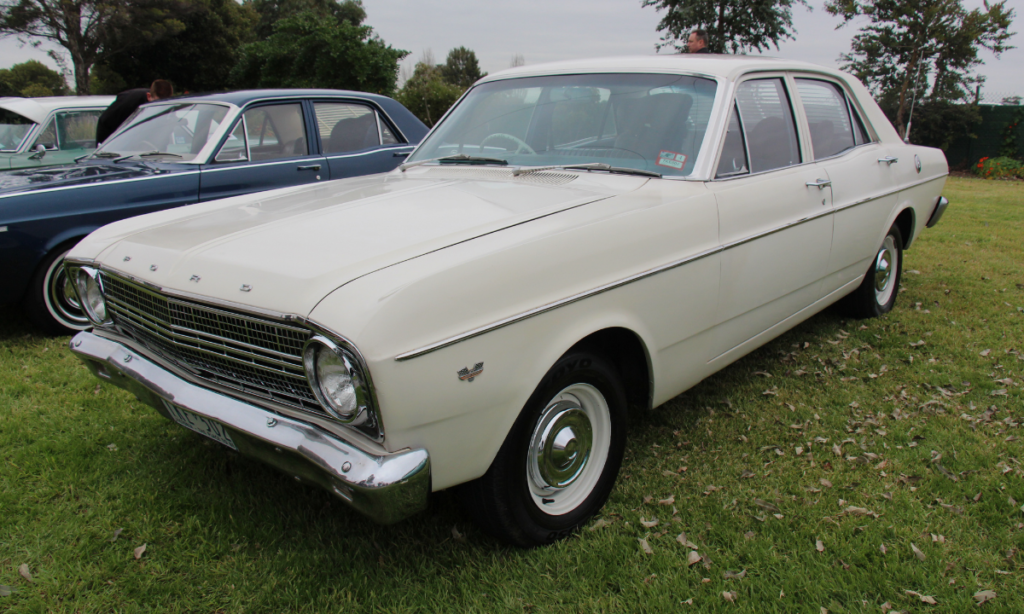
His strategy was simple yet devastatingly effective: place a striking new V8 Mustang in prominent dealership showrooms alongside a banner reading “The Mustang-Bred Falcon.” Because the production Mustang was structurally based on the North American Falcon platform, the engineering DNA was genuinely shared. Bourke wanted buyers to believe that by purchasing a family Falcon, they were getting a direct slice of American muscle nobility.
Engineering the First Australian-Delivered Mustangs
The plan kicked off in July 1965 when an initial batch of 48 hardtop coupes arrived in Sydney. While Dearborn executives assured Bourke that the Mustang’s symmetrical design would make a right-hand-drive swap straightforward, the reality inside the Homebush factory floor was an engineering nightmare.
To complete the conversions legally and structurally, Homebush engineers had to custom-fabricate mechanical components and adapt local Australian parts, such as Falcon steering boxes. These unique “Homebush Mustangs” featured a premium local layout:
- A robust 289 cubic-inch (4.7-litre) V8 engine
- Heavy-duty sports suspension and front disc brakes
- Unique Australian identifier plates fixed to the engine firewall
Following the initial 1965 run, a second batch of 161 units (1966 models) was progressively completed through September 1966. In total, just 209 factory-sanctioned Homebush conversions were produced.
Securing Ford’s Manufacturing Future
The gamble paid off spectacularly. The presence of the Homebush Mustangs generated immense foot traffic through dealership gates right as the XR Falcon hit the market in September 1966. For the first time, everyday families could purchase a local Falcon equipped with a roaring 289ci V8.
The Legacy: This clever marketing illusion didn’t just save the Falcon line; it laid the direct groundwork for the legendary 1967 XR Falcon GT the car that birthed the golden era of Australian muscle.
The Verdict
The Homebush Mustangs remain a legendary chapter in our local history. They prove that true marketing genius relies on real mechanical substance. By leveraging America’s hottest performance icon to vindicate local engineering, Bill Bourke permanently anchored Ford’s manufacturing future down under.
To explore the deeper archival details of these early model variants, watch this Ultimate Guide to Ford Australia’s Mustang Imports. This short video provides an insightful journey into classic car history by breaking down the unique build compliance, options and 289 V8 powertrain characteristics unique to the Australian-delivered versions.