


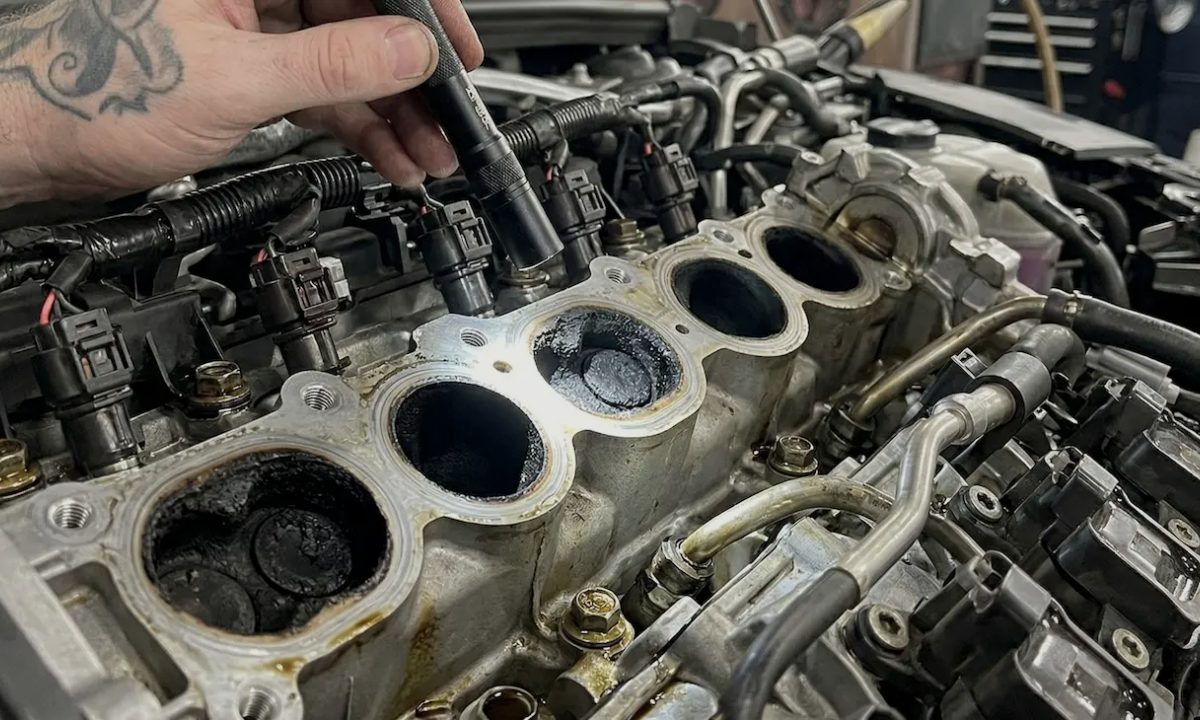

For years, Gasoline Direct Injection (GDI) has been hailed as a triumph of modern internal combustion engineering. By spraying fuel at extremely high pressure directly into the combustion chambers rather than the intake ports, manufacturers unlocked superior fuel economy, reduced emissions and crisp power delivery.
But beneath this highly efficient exterior lies a critical, systemic design flaw that eventually turns every GDI motor into a ticking maintenance bottleneck.
If you drive a modern direct-injected machine, your intake valves are slowly choking on carbon. Understanding why this happens and how to fix it is vital to saving your engine’s performance.
The Inherent Design Flaw: No More Fuel Baths
To understand the GDI issue, you have to look at traditional Port Fuel Injection (PFI) systems. In a PFI engine, injectors mist fuel directly into the intake port, meaning a continuous stream of detergent-rich petrol washes over the back of the intake valves on every cycle, naturally scrubbing away oil and carbon residue.
Port Injection (PFI) ➔ Fuel washes over intake valves ➔ Valves stay clean
Direct Injection (GDI) ➔ Fuel sprays straight into chamber ➔ Valves collect baked-on oil
In a GDI engine, the fuel completely bypasses the intake valves. However, the valves are still exposed to engine oil mist and unburnt combustion gases routed back through the Positive Crankcase Ventilation (PCV) system.
Without a constant gasoline bath to wash this mist away, the intense heat of the cylinder head slowly bakes these sticky oil deposits into a hardened, restrictive layer of black carbon. Over time, this buildup severely restricts airflow, leading to localized hot spots and engine inefficiency.
The Warning Signs: When Your Intake Is Choking
Because the carbon accumulation is gradual, many enthusiasts fail to notice the decline until driving dynamics degrade severely. Keep a sharp eye out for these classic warning signs:
- Rough Idle & Hard Cold Starts: Airflow turbulence across the valves prevents proper fuel mixing, causing engine stumbles when cold.
- Gradual Power Loss: Hardened carbon chokes the intake ports, restricting top-end breathing and dulling acceleration.
- Engine Misfires & Fault Codes: Severe deposits can physically prevent valves from seating fully, throwing random cylinder misfire codes (e.g., P0300).
The Cleanup Battle: DIY Aerosol vs. Professional Media Blasting
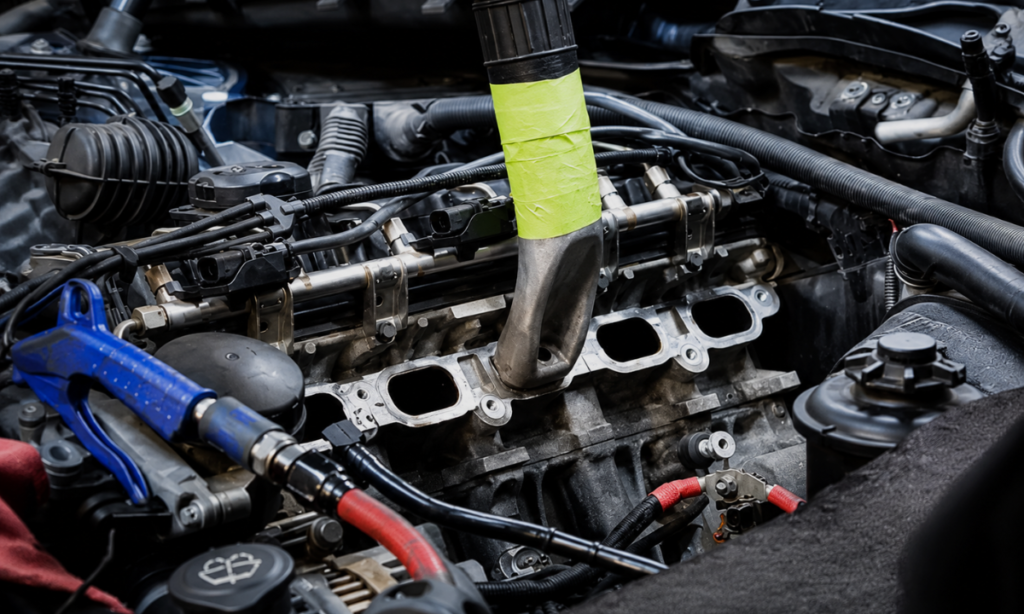
When it comes to restoring performance, fuel additives poured into the tank are completely useless the fuel will never touch the clogged valves. Instead, you have two primary options:
| Maintenance Method | DIY Chemical Intake Cleaners | Professional Walnut Blasting |
| The Process | Aerosol solvent sprayed directly into the running engine’s throttle body. | Intake manifold removed; valves blasted with crushed walnut shells. |
| Best For | Mild preventative care at every oil change interval. | Heavy, hardened, long-term carbon deposits. |
| Effectiveness | Melts light, soft surface residue; struggles on heavy buildup. | 100% effective. Restores intake ports to a bare-metal, “like-new” finish. |
| Engine Safety | Low cost, but dislodged carbon chunks risk scoring cylinder walls. | Extremely safe; biodegradable walnut shell media is softer than aluminum. |
The Verdict
If your GDI vehicle has crossed the 60,000 to 80,000-kilometre mark and has never had its intake cleaned, it is highly likely your engine’s breathing is compromised.
While DIY chemical sprays can help slow down the inevitable, a professional walnut-blasting service is the only factual way to strip away years of baked-on gunk and return your engine to its factory-rated power. For long-term prevention, consider pairing your cleanup with a high-quality oil catch can to stop PCV oil vapors from reaching your pristine valves in the first place.