


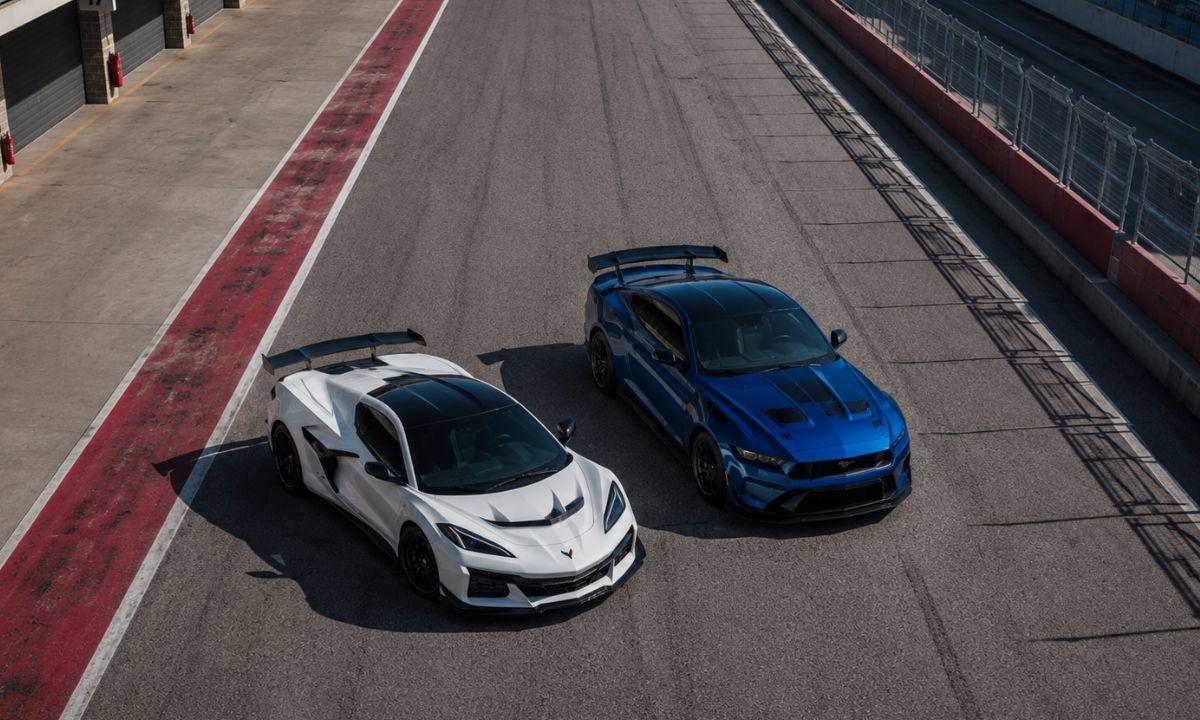

The American supercar landscape shifted dramatically in 2026, with two extraordinary machines competing for Australian enthusiasts’ attention. The all-new Corvette ZR1 and Mustang GTD represent peak performance engineering from Detroit’s finest, yet they couldn’t approach their goals more differently. For Australian buyers, understanding the distinction between these two titans matters not just for bragging rights, but for determining which track-focused machine aligns with your driving philosophy and garage reality.
The Raw Numbers: Power, Torque and Precision
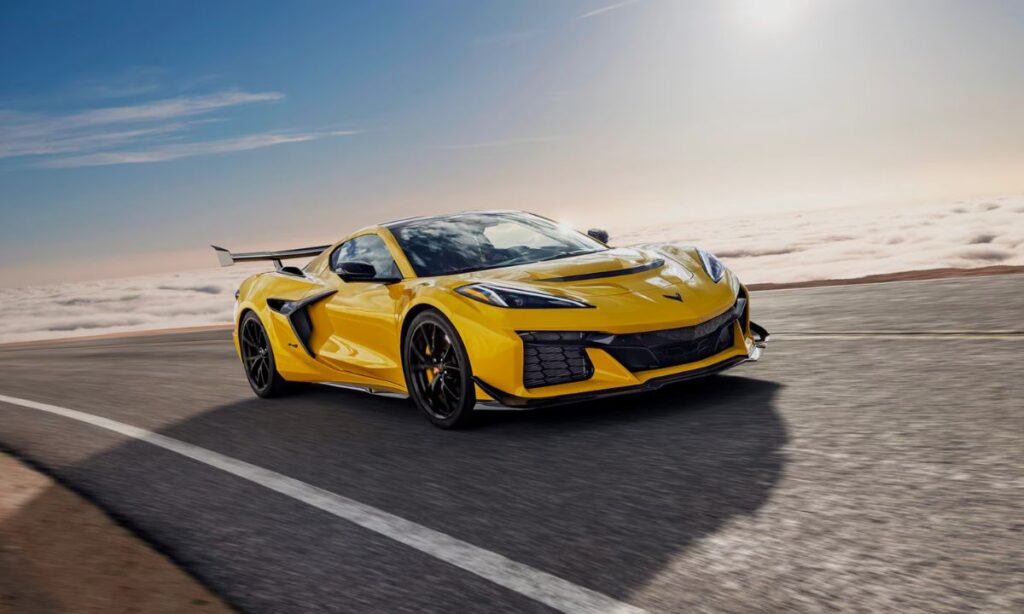
The Corvette ZR1 commands immediate respect through sheer numerical dominance. Its 5.5-litre twin-turbocharged V8 engine produces 1064 horsepower and 828 lb-ft of torque figures that fundamentally reshape the performance car landscape. In simple terms: the ZR1 develops more power than most motorsport prototypes racing at Bathurst. The independent rear suspension and mid-engine architecture ensure that power reaches the road efficiently, not just impressively.
The Mustang GTD takes a different philosophical approach. Derived from Ford’s legendary GT race car programme, the GTD prioritises track-honed handling dynamics alongside its 660-horsepower 5.2-litre naturally aspirated V8. For Australian drivers accustomed to Eastern Creek Raceway and Wakefield Park configurations, the Mustang’s driver-focused engineering proves intoxicating. Where the ZR1 attacks with overwhelming force, the GTD seduces through precision.
Track Capability: Where Theory Meets Tarmac
Both machines arrived in Australia with comprehensive track credentials. The Corvette ZR1 achieved a Nurburgring lap time of 6:32 among the quickest production car times ever recorded. Its Magnetic Selective Ride Control suspension adjusts 500 times per second, reading road imperfections that human drivers never consciously detect.
The Mustang GTD, meanwhile, pulls from genuine Le Mans GT programme experience. Its suspension geometry, brake calibration and aerodynamic package were developed and validated during actual race competition. For Australian track days, this racing pedigree translates to immediate confidence and intuitive feedback that even experienced drivers appreciate.
Australian Market Pricing and Availability
Here’s where reality intersects aspiration. The Corvette ZR1 pricing in Australia sits approximately AUD $450,000–$480,000 (indicative). Mustang GTD Australian pricing ranges from AUD $380,000–$420,000.
Both prices demand serious financial commitment, yet the performance-per-dollar calculation favours the GTD for many drivers. However, exclusivity matters Corvette ZR1 global allocation remains extremely limited, with Australian dealers reporting 18-month waiting lists.
Practical Ownership: Costs Beyond Purchase Price
Ownership reality differs substantially between these machines. The Corvette’s Michelin Pilot Sport 4S tyres, sized 305/35R20, cost approximately AUD $420–$480 per tyre. Brake replacement required after aggressive track use runs approximately AUD $8,500 for genuine components.
Mustang GTD ownership proves marginally more economical. Goodyear Eagle F1 Supercar tyres, while premium, retail for approximately AUD $380–$420. Brake service costs align roughly with Corvette expenses, though parts availability through Ford Australia’s established network provides practical advantages.
Insurance for both vehicles requires specialist brokers. Expect annual premiums between AUD $4,500–$7,500, depending on driving history, coverage level and whether vehicles are exclusively track-used.
Driving Experience: The Intangible Difference
This distinction separates mere statistics from genuine automotive passion. Corvette ZR1 drivers experience relentless acceleration and brake performance that challenges even skilled enthusiasts to fully exploit. The car’s technology from its advanced telemetry systems to adaptive suspension creates a collaborative relationship between machine and driver. It’s genuinely quick without requiring heroic bravery.
The Mustang GTD speaks a different language. Its naturally aspirated engine delivers linear power delivery. Its manual transmission (yes, manual remains available) connects driver intention directly to mechanical action. For purists who value communication over numbers, the GTD’s unfiltered character proves addictive.
The Verdict
Choosing between these machines requires brutal honesty about your driving priorities. If you demand objective supremacy the quickest, most powerful, most technologically advanced the Corvette ZR1 is non-negotiable. Its performance envelope remains virtually unchallenged in production car categories.
If your heart craves connection, if you value steering feedback over lap-time precision, if you want your car communicating rather than computing the Mustang GTD delivers a different yet equally compelling masterpiece. For Australian drivers, the GTD’s more accessible price point and stronger local support network provide practical advantages without sacrificing genuine supercar capability.
Both machines represent peak automotive engineering. Neither choice disappoints. Your preference simply reveals what “perfect” means to you.