


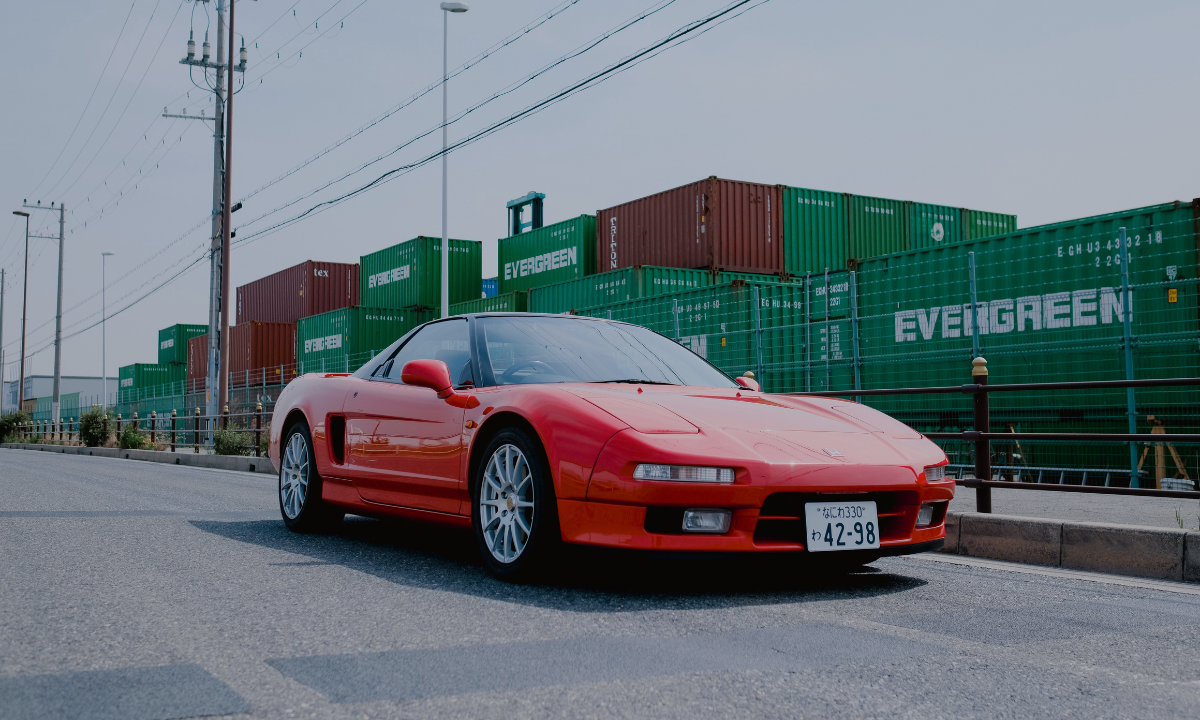

For the true automotive enthusiast, nothing matches the raw visceral appeal of a supercar. The precise downshift of a mid-mounted V10, the aggressive aerodynamics of a track-bred carbon monocoque, and the sheer presence of an exotic machine on the tarmac represent the absolute pinnacle of motoring.
But owning a supercar in Australia is vastly different from owning one in Europe or North America. Down under, the road to exotic ownership is guarded by some of the world’s most punitive tax structures and strict federal compliance laws.
If you are planning to add a high-performance masterpiece to your garage, you need to know exactly how the financial, legal, and operational landscape shapes up. Here is the reality of buying, importing, and driving a supercar in Australia.
The Sting of the LCT: Luxury Car Tax Explained
Before you ever twist a key or press a start button, your biggest financial hurdle isn’t the manufacturer’s list price it’s the Australian Government’s Luxury Car Tax (LCT).
Originally designed decades ago to protect a local car manufacturing industry that no longer exists, the LCT remains a massive revenue raiser applied directly to premium vehicles.
The Rule: The tax is levied at a staggering 33% on every dollar spent above the federal government’s designated threshold.
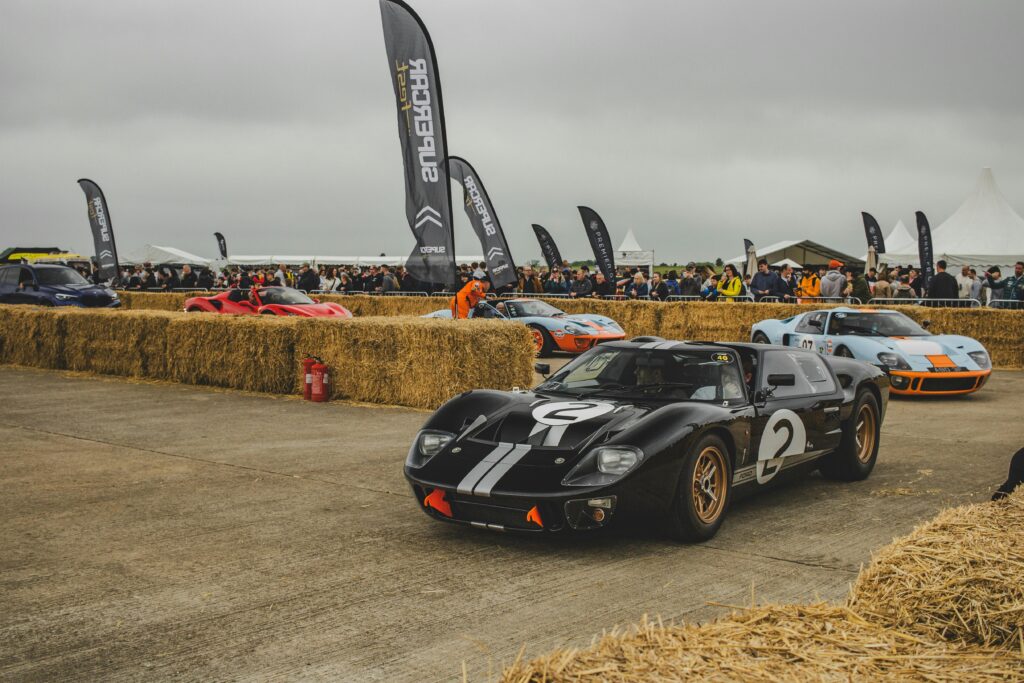
Vehicle Purchase Price ➔ Subtract LCT Threshold ➔ Remaining Amount x 33% = Your LCT Bill
The Australian Taxation Office (ATO) splits these thresholds into two distinct categories:
- Fuel-Efficient Vehicles: (Consuming less than 7.0L/100km on a combined cycle). This threshold gives a slight break to hybrid exotics and high-performance EVs (like the Porsche Taycan Turbo or McLaren Artura).
- Other Vehicles: The standard threshold that applies to traditional, high-capacity V8, V10, and V12 petrol engines (such as the Ferrari 296 GTB, Lamborghini Temerario, or Corvette Z06).
When you are purchasing a vehicle north of $500,000, the LCT alone can easily add a six-figure premium to your final invoice, making Australia one of the most expensive countries in the world to buy new performance metal.
Importing an Exotic: Navigating SEVS and Border Force
Because of the heavy tax burden on brand-new local deliveries, many collectors look overseas to source rare, limited-run, or slightly depreciated supercars from markets like the UK or Japan. However, getting a foreign vehicle past Australian Border Force requires navigating a wall of federal red tape.
The Specialist and Enthusiast Vehicles Scheme (SEVS)
To legally import a modern supercar into Australia, the vehicle must be approved under the SEVS pathway. To qualify, a vehicle must meet strict criteria proving it is a genuine enthusiast vehicle that was never sold in high volumes via mainstream Australian dealerships.
- The Compliance Gate: Once a vehicle arrives, it cannot just be registered. It must go through an authorized Registered Automotive Workshop (RAW) to be fitted with a compliance plate.
- The Check: This process ensures the vehicle complies with Australian Design Rules (ADRs), which includes verifying child restraint anchor points, installing local dashboard warning systems, and clearing strict asbestos-free certification requirements.
Unleashing the Machine: Australia’s Premier Track Day Venues
Let’s face it: owning a vehicle capable of 0–100 km/h in under 3 seconds is inherently frustrating on a public road system heavily monitored by point-to-point speed cameras and strict anti-hoon laws. To truly experience what engineering firms like Weissach, Maranello, or Woking built your car to do, you have to take it to the circuit.
Australia boasts world-class track day operators (like DriveAgainstTime, Trackschool, and club-level sprints) that allow supercar owners to safely explore their vehicle’s limits.
The Australian Supercar Track Matrix
Sydney Motorsport Park (NSW) ➔ Best for Night Driving under GP-spec lighting.
Phillip Island Grand Prix (VIC) ➔ Best for High-Speed Sweepers & Aero testing.
The Bend Motorsport Park (SA) ➔ Best for Technical Precision & World-class facilities.
1. Phillip Island Grand Prix Circuit (VIC)
Fast, fluid, and terrifyingly scenic. Phillip Island’s high-speed sweepers are unmatched for testing a supercar’s high-speed aerodynamic downforce. Flying down the main straight past the pit wall toward Turn 1 is an experience every exotic owner needs to check off their bucket list.
2. Sydney Motorsport Park (NSW)
As the only permanent track in Australia featuring a world-class, stadium-grade LED lighting system, SMSP allows for premium twilight and night track days. Running the 3.9km Brabham Circuit under total darkness with glowing carbon-ceramic brakes is a sensory overload.
3. The Bend Motorsport Park (SA)
This state-of-the-art, multi-million-dollar facility just outside Adelaide is a playground for high-end automotive clubs. Its GT Layout features a brutal mix of technical corners and heavy braking zones, perfectly suited for modern torque-vectoring all-wheel-drive supercars.
The Reality of Exotic Upkeep
Beyond the purchase price, LCT, and entry fees, supercar ownership demands an uncompromising commitment to specialized maintenance.
Down under, the lack of a sprawling European logistics network means parts sourcing often involves air-freighting components directly from overseas factories. A standard annual logbook service on a modern mid-engine exotic regularly starts at $3,000, while consumable items like a fresh set of track-rated Michelin Pilot Sport Cup 2 tires will comfortably set you back $4,000 to $6,000.
The RaceWire Verdict
Owning a supercar in Australia requires a massive financial commitment to clear the hurdle of the Luxury Car Tax and federal import regulations. However, the moment you bypass the highway speed limits and drop the throttle on a premier Australian circuit, the compliance headaches vanish. In a world rapidly pivoting toward total automation, the raw, unfiltered theater of a true supercar remains worth every single cent.