


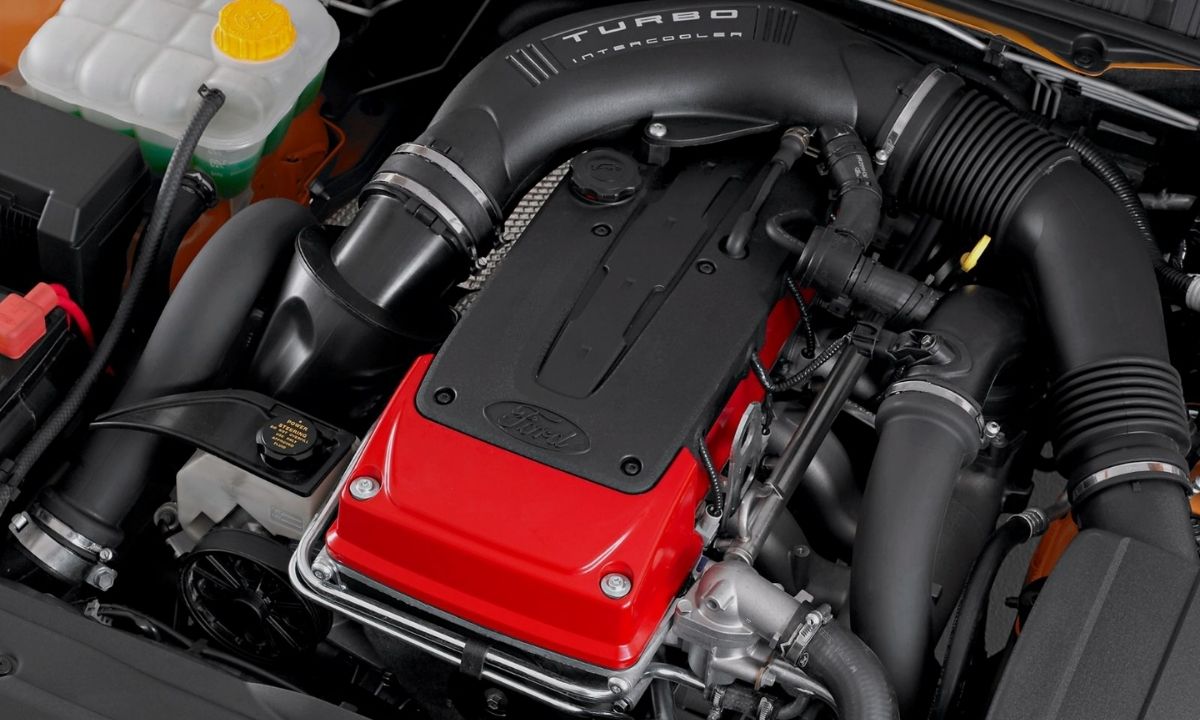

Australia’s modified car culture is globally renowned for its wild, boundary-pushing engineering. From twin-turbocharged, 2000-plus horsepower Coyote-swapped classic Commodores to heavy-boosted 4.0-litre Ford Barra inline-sixes, our local community lives to extract maximum velocity from street-legal chassis.
However, building a high-horsepower street machine down under requires an absolute masterclass in regulatory strategy. Following a major national light vehicle compliance shift, stricter enforcement strategies have completely reset the modified car playing field.
The primary regulatory hurdle directly targeting performance-focused builders is a strict limit on power delivery: any modification that increases a vehicle’s factory engine power by more than 15% now mandates formal engineering certification and documented dyno testing.
Navigating the VSB 14 Framework
Historically, minor adjustments to boost controllers, bolt-on turbo upgrades and alternative fuel systems frequently flew under the radar. But under the current enforcement push, the line between a legal street-cruiser and a costly defect notice has drastically narrowed.
For enthusiasts aiming to build a genuine street-and-strip competitor for grueling events like the Street Machine Drag Challenge, adhering to the National Code of Practice (VSB 14) is no longer optional. If you drop a high-boost turbocharger or an aftermarket supercharger kit into a naturally aspirated platform, you will blast past that 15% power threshold immediately.
To legally secure your registration plates, your modified weapon must pass:
- ADR Emission Parity: Maintaining operational catalytic converter systems and factory-compliant PCV loops.
- Braking and Torsional Validation: Formally proving the structural frame and braking package can safely control the massive surge in mechanical torque.
- Ground Clearance Parameters: Keeping a strict minimum of 100mm of ground clearance across all exhaust piping and suspension links.

The Rise of the Compliant “Sleeper”
Because the legal landscape has intensified, top-tier Australian custom builders are shifting their design language. Instead of loud, attention-grabbing external body modifications that immediately invite police attention, the modern trend revolves around the ultimate engineered “sleeper.”
Enthusiasts are heavily utilizing stock external bodywork, quiet multi-stage valved exhaust mufflers and neatly tucked engine bay plumbing. This allows them to run high-output setups that are fully engineered, certified and completely street-legal right down to the wheel-hub parameters. It ensures your project car stays clean on public roads while remaining an absolute beast on the drag strip.
The Verdict
The strict compliance updates do not mean the end of modified car culture; they simply demand smarter engineering. By working directly with a light vehicle engineering signatory before you bolt on a massive turbocharger, you ensure your high-horsepower project remains a permanent asset to the street not a permanent resident of a local police impound lot.
To see a real-world example of how these highly modified, street-legal weapons handle competitive endurance formats, check out this look Inside Drag Challenge in a Ford Barra. This video is highly relevant because it shows exactly how a high-horsepower, Barra-powered street car operates under real-world multi-day endurance conditions during the iconic Australian Drag Challenge.