



The Numbers Tell the Story
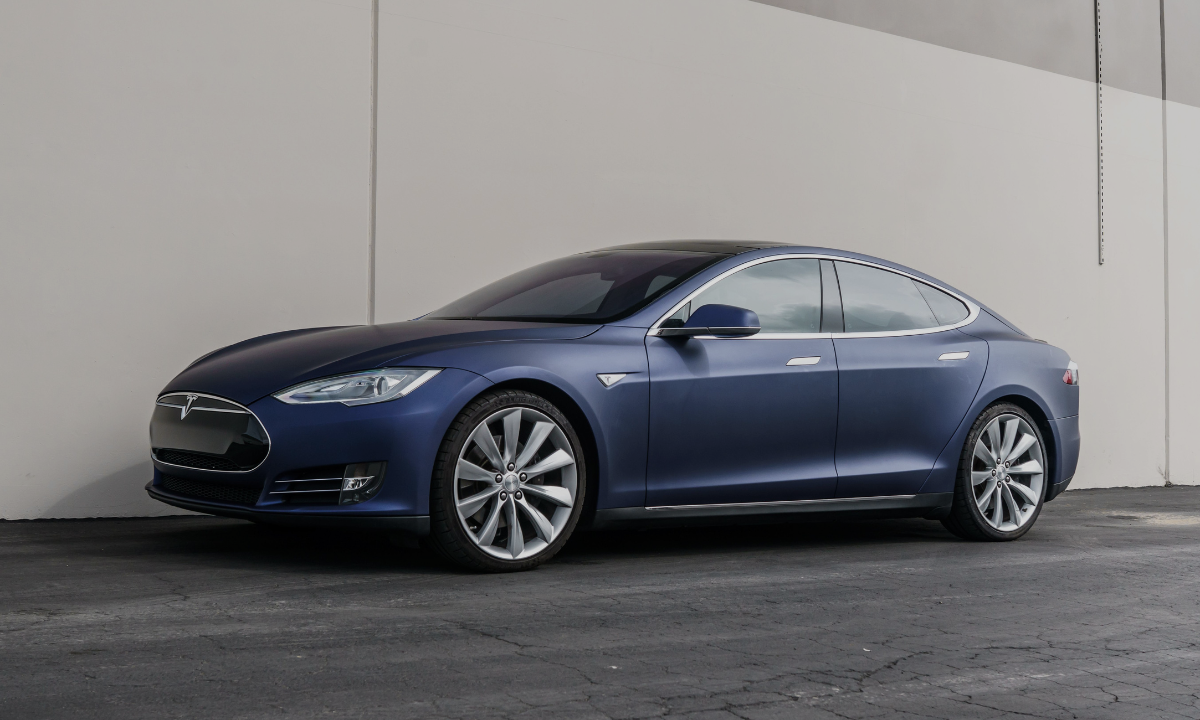
May 2026 saw 100,206 new vehicle registrations a 4.8% decrease from May 2025 but electrified vehicles told a different tale. Electric vehicles surged 111.6% year-on-year to 21,303 units, while plug-in hybrids (PHEVs) exploded upward with a staggering 202.3% growth to 9,315 units.
Combined with hybrid vehicles, EVs, PHEVs and hybrids now account for 46.4% of all new vehicle deliveries in Australia. This represents a fundamental market shift that would have seemed unimaginable just five years ago.
Year-to-date through May 2026, Australia has sold 480,525 new vehicles down just 0.7% from the same period in 2025 suggesting the market remains resilient despite broader economic headwinds.
Chinese Brands: The Quiet Revolution
While the Tesla Model Y grabbed headlines, the real story reshaping Australia’s car market involves Chinese manufacturers. BYD sales jumped 120.1% year-on-year, Chery grew 84.3% and GWM increased 23%. These brands are no longer niche players they’re redefining market dynamics.
The geopolitical context matters here. The oil spike created by Middle Eastern tensions has accelerated electrification adoption across Australia, making EVs more attractive from both environmental and economic standpoints. But that’s not the only factor driving Chinese brand success.
Chinese manufacturers have rapidly improved quality, developed competitive pricing and built supply chains that enable faster market entry than traditional Japanese and European rivals. Their aggressive expansion into electric vehicle segments where manufacturing costs remain higher than internal combustion engines demonstrates confidence in this market’s direction.
Market Structure Under Strain
The Australian automotive market is experiencing structural change that extends beyond simple brand preferences. For decades, Japan dominated as the leading vehicle exporter to Australia. That era is ending. China is now the leading exporter, fundamentally altering how vehicles flow into Australian showrooms.
This shift has profound implications for dealerships, service networks and consumer expectations around vehicle technology and design language. Australians are increasingly comfortable with vehicles that wouldn’t have appeared in the market a decade ago.
What This Means for Australian Enthusiasts
For car enthusiasts, this transition presents both challenges and opportunities. The Tesla Model Y’s dominance isn’t surprising given Australia’s improving EV charging infrastructure and growing awareness of total cost of ownership advantages. A Model Y costs approximately $4–5 per 100km to charge at home (versus $15–18 for petrol), making the maths compelling for high-mileage drivers.
But the Chinese brand breakout matters more for long-term market dynamics. Consumer acceptance of BYD, Chery and GWM vehicles normalises a supply chain shift that will reshape Australia’s automotive culture. Parts availability, warranty support and after-sales service for these brands will become increasingly important considerations.
The Investment Perspective
For enthusiasts considering vehicle investments, the May 2026 market tells a clear story: electrification is accelerating, not slowing. The 46.4% market share for electrified vehicles up from 31% a year earlier suggests we’re past the inflection point where internal combustion engines dominated. Going forward, ICE vehicles will represent a shrinking percentage of new sales.
This doesn’t necessarily impact classic and collector cars, which exist in a separate market. But it does suggest that modern performance cars and daily drivers are increasingly likely to be electric. The infrastructure to support them keeps improving, with over 5,800 public charging locations across Australia and government commitments to expand charging networks significantly by 2030.
The Verdict
Tesla Model Y leading Australian sales charts represents a symbolic moment, but the broader story involves market democratisation. As EV technology becomes more accessible and charging infrastructure expands, consumer choice increasingly favours electric powertrains. Chinese brands accelerating into this space adds genuine competition and choice, benefiting consumers through improved pricing and features.
The question for Australian automotive enthusiasts isn’t whether the market will continue electrifying May 2026 sales data makes that clear. The real question is whether future classic cars will be electric performance vehicles and how that might shift our understanding of automotive passion in two decades.
Key Statistics (May 2026)
New vehicle registrations: 100,206 units (down 4.8% YoY)
EV sales: 21,303 units (up 111.6% YoY, 19.9% market share)
PHEV sales: 9,315 units (up 202.3% YoY)
Electrified vehicles market share: 46.4% (EVs, PHEVs, hybrids combined)
BYD sales growth: 120.1% YoY
Chery sales growth: 84.3% YoY Tesla Model Y: First EV to lead monthly sales rankings