



Pricing
Honda CR-V: $38,500–$52,900 AUD (newly refreshed for 2026)
Mazda CX-5: $36,800–$49,500 AUD
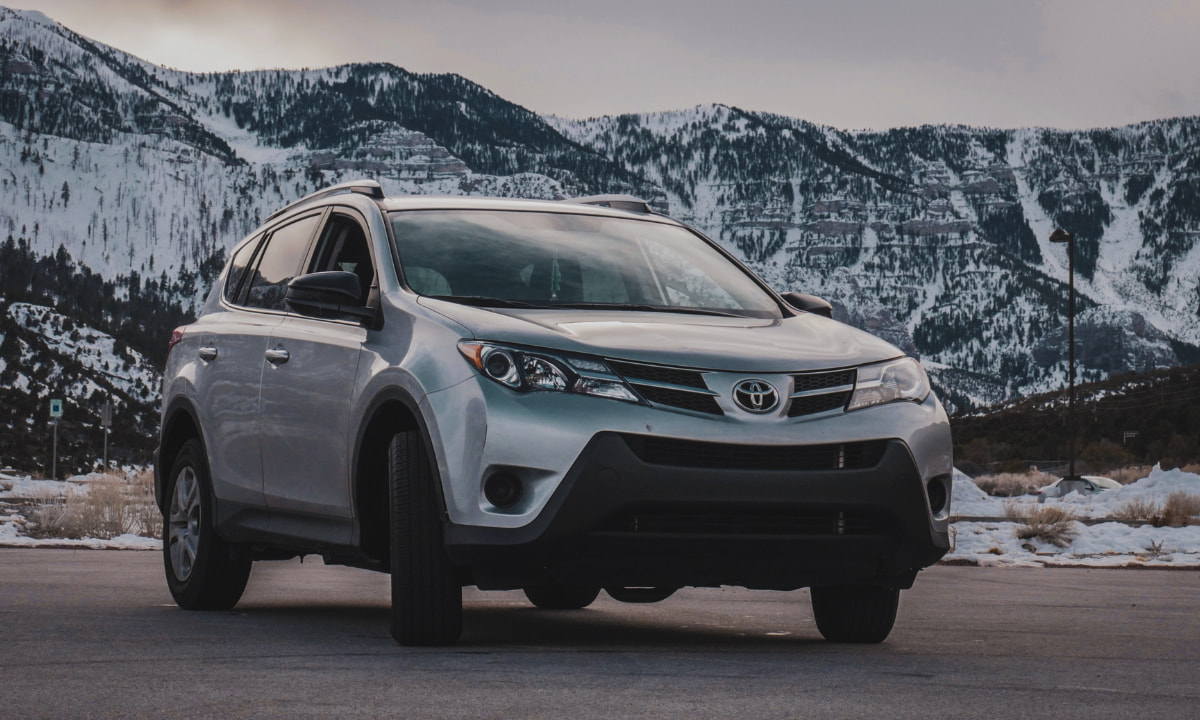
Toyota RAV4: $39,200–$53,400 AUD (freshly redesigned)
The Mazda undercuts competitors on base pricing, while Toyota commands premium positioning. Honda’s mid-2026 refresh offers value proposition between the two.
Powertrain Options
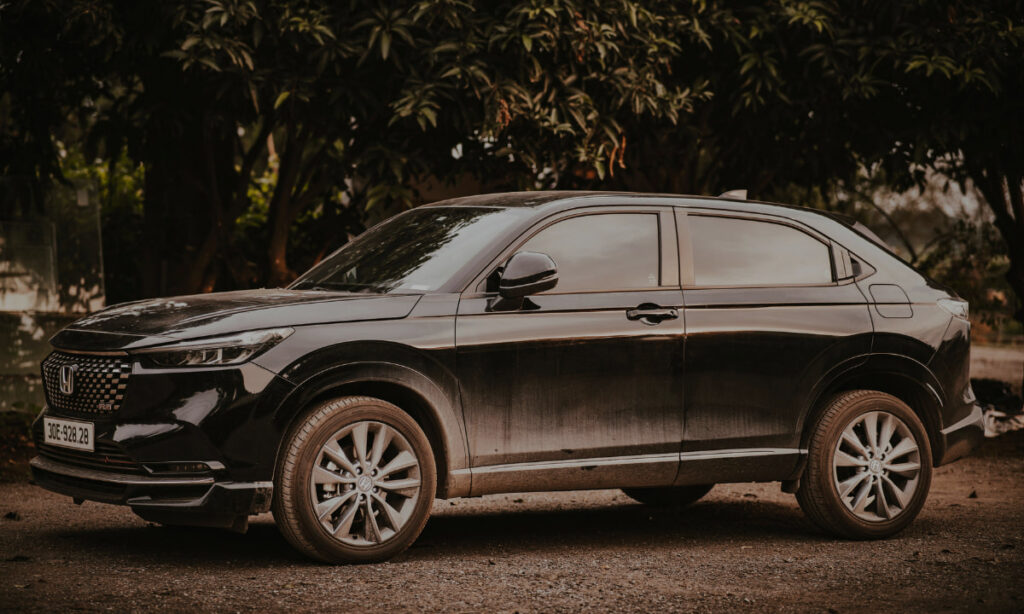
Honda CR-V (2026 Update)
2.0L naturally-aspirated petrol: 158 hp, 6-speed automatic
2.0L hybrid: 204 hp combined, CVT
The new hybrid option brings competitive efficiency to a traditionally petrol-focused lineup.
Mazda CX-5
2.0L naturally-aspirated petrol: 165 hp, 6-speed automatic
2.5L naturally-aspirated petrol: 187 hp, 6-speed automatic
2.2L diesel: 184 hp, 6-speed automatic (popular for towing)
Mazda’s multi-option approach caters to diverse buyer preferences and towing needs.
Toyota RAV4 (2026 Redesign)
2.5L naturally-aspirated petrol: 203 hp, 8-speed automatic
2.5L hybrid: 219 hp combined, CVT
2.0L turbocharged petrol (select markets): TBA
Toyota’s emphasis on hybrid options reflects market trends toward electrification.
Fuel Efficiency
Honda CR-V Hybrid: 5.2–5.8 L/100km combined
Mazda CX-5: 6.8–7.4 L/100km (petrol), 6.1–6.8 L/100km (diesel)
Toyota RAV4 Hybrid: 5.3–5.9 L/100km combined
The hybrid leaders (Honda and Toyota) deliver similar efficiency, approximately 1.5–2.0 L/100km better than petrol-only CX-5. Diesel CX-5 competes favourably with hybrids in real-world testing.
Interior Space and Practicality
All three offer approximately 200 mm ground clearance and 1,700 mm cargo space (seats folded). Differences are subtle:
Honda CR-V: Spacious rear seats; excellent rear legroom (easily fits tall passengers)
Mazda CX-5: Refined interior with premium material quality; excellent infotainment integration
Toyota RAV4: Cargo flexibility with innovative storage; Toyota’s reputation for durability
For most families, interior differences are negligible all accommodate 2–3 large suitcases comfortably.
Technology and Features
Honda CR-V
Standard safety suite (Honda Sensing) includes:
Adaptive cruise control
Lane-keeping assist
Automatic emergency braking
8-inch touchscreen (infotainment)
Newly updated software improves responsiveness and smartphone integration.
Mazda CX-5
Standard Mazda i-Activsense includes equivalent safety features. Notable advantages:
Premium sound system options (Bose)
Responsive infotainment interface
Elegant interior design
Mazda positions itself as premium; technology isn’t primary differentiator.
Toyota RAV4
Standard Toyota Safety Sense 2.5 provides excellent active safety:
Pre-collision system
Adaptive cruise control
Lane departure warning
Updated infotainment with wireless smartphone integration (new for 2026)
Toyota’s latest system ranks highly in independent testing.
Driving Dynamics
Honda CR-V
Responsive steering, predictable handling. The newly updated CR-V improves ride comfort while maintaining driver engagement.
Mazda CX-5
Mazda’s design philosophy emphasises “zoom-zoom” driver engagement above pure comfort. Handling is sportier than competitors; some prefer this, others find it less comfortable for long highway drives.
Toyota RAV4
Comfort-oriented, with softer suspension tuning. The new RAV4 improves handling slightly while maintaining Toyota’s smoothness reputation.
Verdict: Mazda for driver engagement; Toyota for comfort; Honda balances both.
Reliability and Resale
Toyota: Consistently highest resale values (75–80% at 5 years) and legendary reliability
Honda: Strong reliability record, good resale (70–75% at 5 years)
Mazda: Improving reliability, competitive resale (68–73% at 5 years)
Toyota’s resale dominance reflects Australian perceptions of reliability, despite all three being genuinely reliable.
Warranty
Toyota: 3 years/100,000 km; excellent service network
Honda: 3 years/100,000 km; strong dealer support
Mazda: 3 years/100,000 km; improving service reputation
Warranty terms are identical; post-warranty service costs favour Toyota and Honda through network size.
Which One?
Choose Toyota RAV4 if: You prioritise resale value, want the newest platform and value reliability reputation above all.
Choose Honda CR-V if: You want hybrid efficiency with balanced driving dynamics and future-proofed technology.
Choose Mazda CX-5 if: You prioritise driving engagement, interior design elegance and value starting price.
The Verdict
The 2026 compact SUV segment offers genuine choices. Toyota’s redesigned RAV4 and Honda’s newly hybrid-equipped CR-V lead the segment technically. Mazda positions itself as the driver-focused alternative at slightly lower entry price.
For Australian families, any three are genuinely excellent choices. Personal priorities (resale value, driving dynamics, technology) should guide your decision. Test drive all three before deciding; subjective comfort and driving feel often trump objective specifications.
Your next SUV awaits and you’re spoilt for choice.
2026 Compact SUV Comparison Chart
| Feature | Honda CR-V | Mazda CX-5 | Toyota RAV4 |
| Base Price | $38,500 | $36,800 | $39,200 |
| Best Fuel Economy | 5.2 L/100km | 6.1 L/100km | 5.3 L/100km |
| Max Cargo Space | 1,700 L | 1,700 L | 1,700 L |
| Best Warranty | 3yr/100k | 3yr/100k | 3yr/100k |
| Best Resale | Good (70%) | Moderate (70%) | Excellent (78%) |
| Best Technology | Updated 8″ | Premium | Newest systems |
| Best Driving Feel | B alanced | Sportiest | Comfort-focused |