


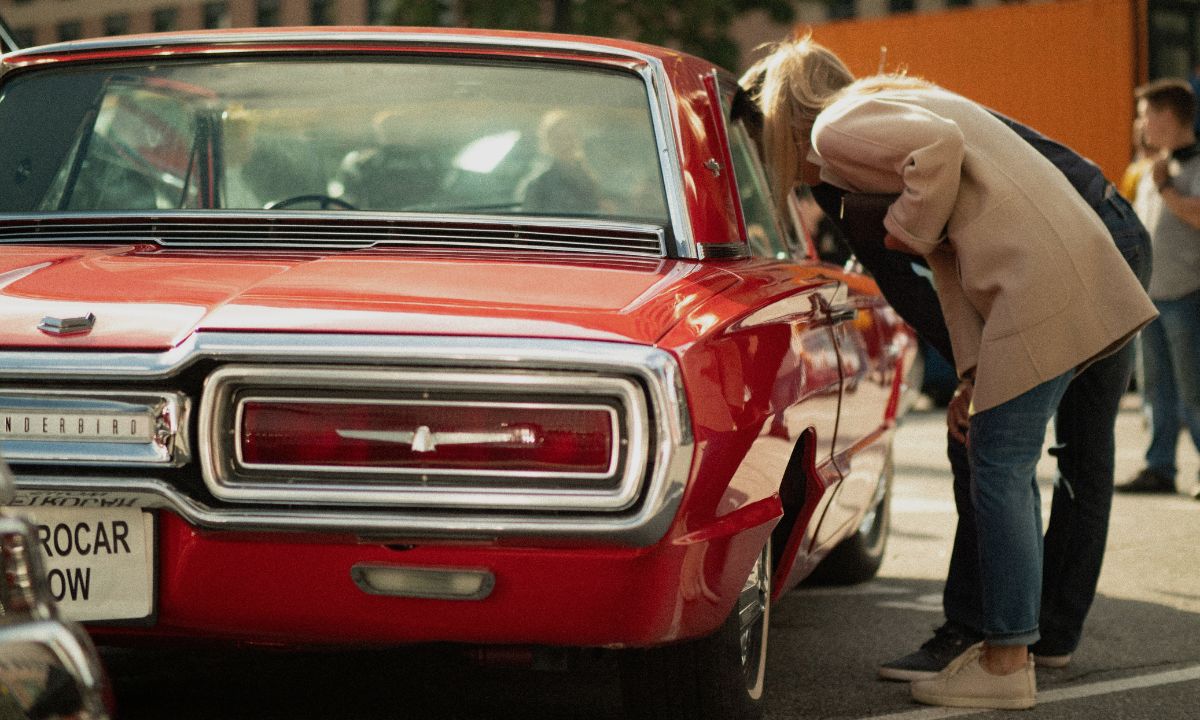

Buying your first classic car is an exciting milestone, but stepping into the vintage automotive market can quickly turn overwhelming. Unlike modern used cars with computerized OBD-II diagnostic ports, classic machines hide their history behind decades of mechanical wear, body repairs and period modifications.
To avoid inheriting a multi-thousand-dollar restoration nightmare, use this factual pre-purchase checklist before handing over your hard-earned cash.
The Essential Pre-Purchase Inspection Arc
1. Structural Rust & Body ➔ 2. Mechanical Health ➔ 3. Matching Numbers & History ➔ Decision
1. Structural Rust vs. Surface Rust
Paint can hide a multitude of sins. While light surface rust on a body panel is a manageable cosmetic fix, structural rust in the chassis or frame rails can compromise vehicle safety and cost a fortune to repair.
- Key Inspection Spots: Use a torch to check the floor pans, lower door sills, boot floor, firewall and inner wheel arches.
- The Magnet Test: Run a soft fridge magnet across smooth lower body panels. If the magnet drops off, you are looking at thick layers of plastic body filler (Bondo) covering past rust or accident damage.
2. Mechanical Health & Engine Cold Start
Always request that the seller leave the engine completely cold before you arrive. A warm engine can easily mask worn piston rings, tired starters, or valvetrain noise.
| Inspection Area | What to Look For | Potential Red Flag |
| Cold Startup | Listen for knocking, tapping, or heavy ticking. | Excessive blue smoke (burning oil) or white smoke (blown head gasket). |
| Fluids Check | Pull the dipstick and radiator cap (cold). | Milky, coffee-colored oil indicates coolant mixing into the sump. |
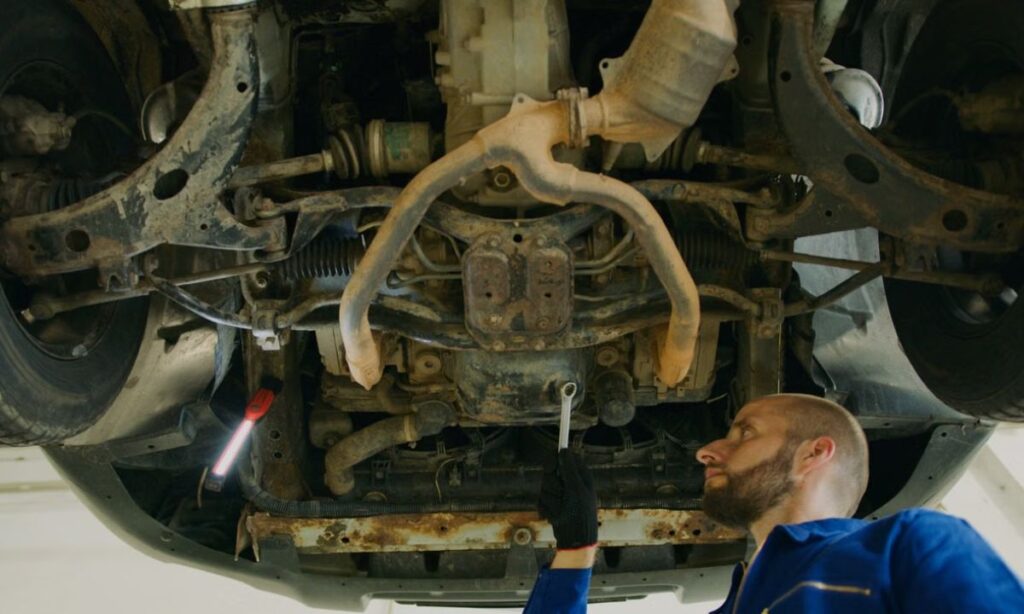
| Undercarriage | Inspect for fresh oil, transmission, or fuel drips. | Active fluid pooling beneath the gearbox or rear differential. |
| Test Drive | Test gearbox shifting, steering play and heavy braking. | Severe pedal sponginess, gear crunching, or pulling to one side under brakes. |
3. Paperwork, VIN, & Matching Numbers
A classic car’s value relies heavily on its provenance and legal documentation.
- Verify the VIN: Match the 17-digit or classic chassis VIN stamped on the engine bay compliance plate directly against the registration papers and title. Look for signs of tampering, fresh welds, or scratched serial plates.
- PPSR Check: Run a formal online title check to ensure there are no outstanding financial liens or write-off records recorded against the vehicle.
- Service History: Ask for historical receipts, logbooks and past restoration photos to verify genuine odometer mileage and ongoing maintenance quality.
The Verdict
Never let emotion drive a classic car transaction. If a seller hesitates to let you inspect the undercarriage or take the car for an independent mechanical check, treat it as an immediate red flag. Spending a little extra time inspecting bodywork, mechanics and paperwork today guarantees you end up with a reliable classic you can actually enjoy on the open road.