


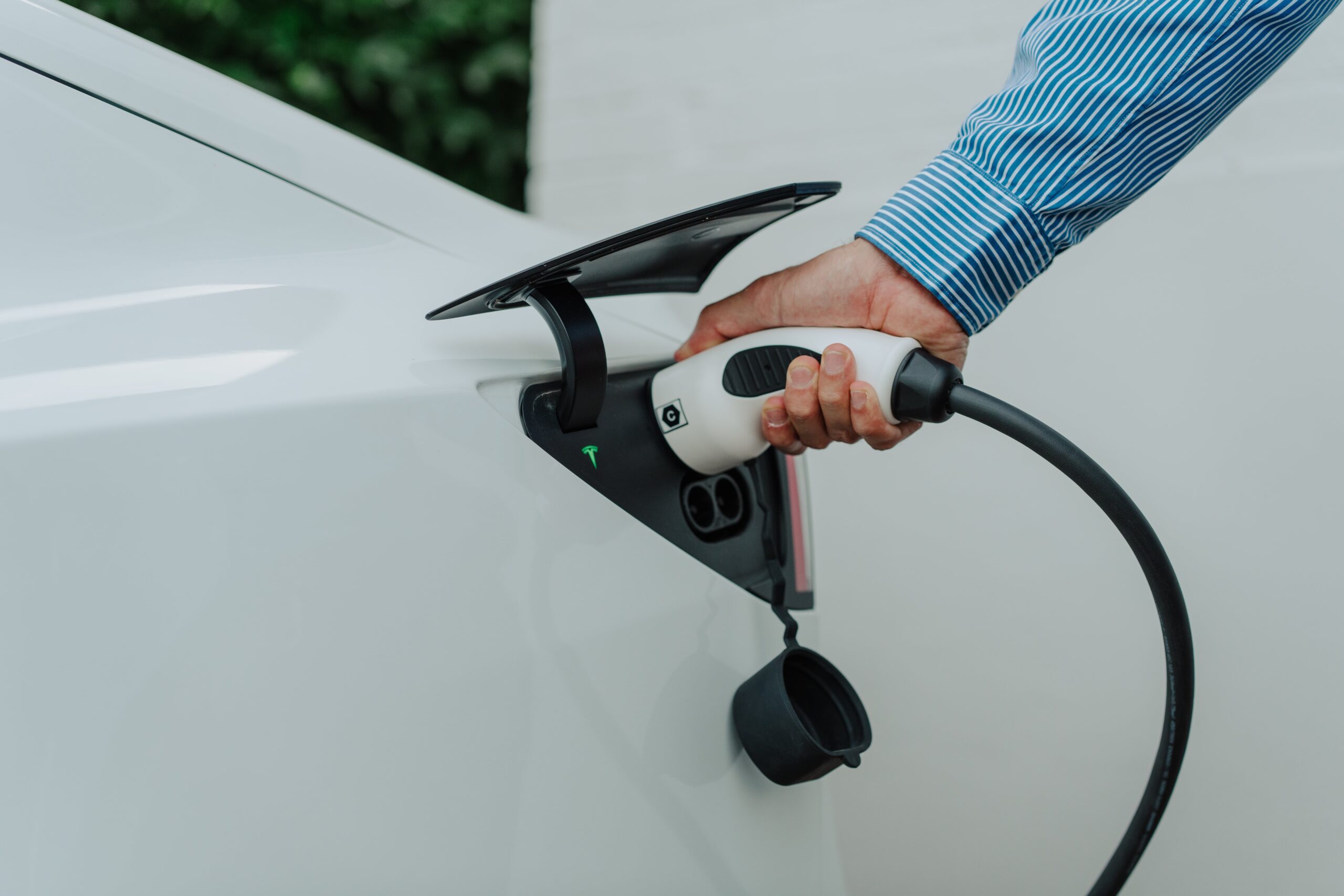

Electric vehicle ownership transforms fundamentally when charging infrastructure becomes convenient and reliable. Australia’s EV charging landscape, fragmented just three years ago, consolidated dramatically into accessible networks spanning major cities and increasingly regional areas. For potential EV buyers contemplating purchase decisions, understanding charging infrastructure home options, public networks, costs and reliability determines whether ownership delivers seamless convenience or ongoing frustration.
Home Charging: The Foundation of Ownership
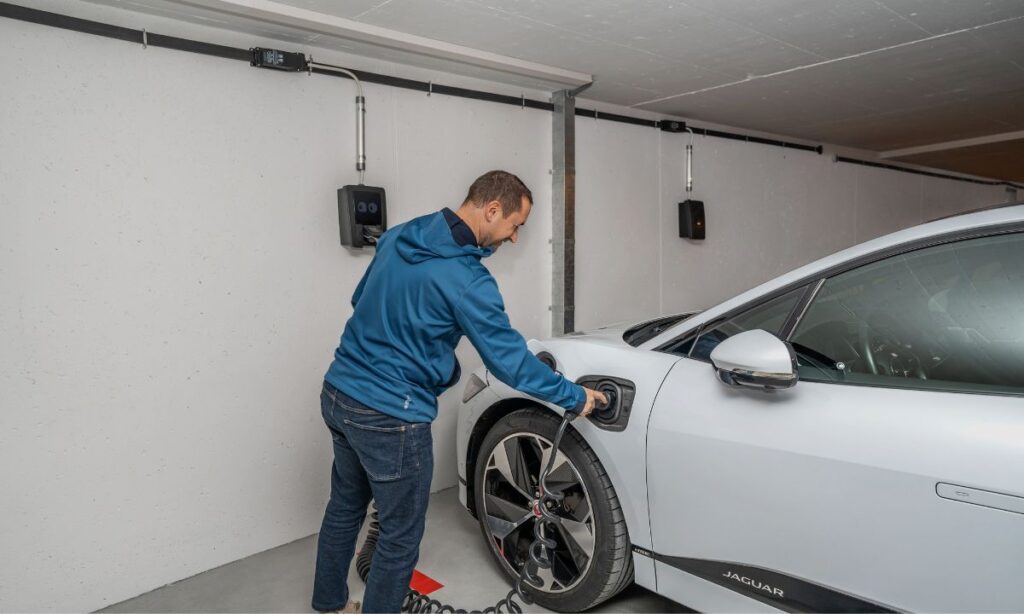
Home charging represents optimal scenario for EV owners, delivering lowest cost-per-kilometre and maximum convenience. Australian residences with off-street parking can install dedicated charging wallboxes equipment converting standard 240-volt household electricity to vehicle charging capacity.
Wallbox Installation Costs: A typical 11-kilowatt domestic wallbox installation costs approximately AUD $1,800–$2,800 all-inclusive (equipment plus installation). This one-time expenditure amortises quickly. A Hyundai Ioniq charging nightly (approximately 60-kilometre range) consumes approximately AUD $2–$3 electricity daily dramatically cheaper than petrol equivalent.
State-Specific Incentives: Several Australian states subsidise EV charging installation. Victoria offers AUD $250 rebate for residential wallbox installation. NSW provides concessional electricity rates for EV charging (off-peak rates approximately $0.18–$0.25 per kWh versus standard $0.30–$0.38). Queensland offers no direct subsidy but permits non-network operators to install chargers more flexibly than other states.
Research state-specific programs before installation; incentives change frequently and maximising subsidies reduces net installation costs substantially.
Charging Times: An 11-kilowatt wallbox charging 70-kWh battery requires approximately 6–7 hours for complete recharge. Overnight charging between 9 PM and 7 AM provides full battery restoration before typical driving patterns commence. This convenience explains why home charging satisfies 85-90% of daily EV driving needs.
Public Charging Networks: Strategic Supplements
Public charging networks function as road-trip enablers and workplace supplements rather than primary charging infrastructure. Major networks (NRMA, BP Pulse, Evolt, OK Charge) expanded substantially through 2024-2026.
Network Landscape (2026): NRMA operates approximately 1,200+ chargers across Australia, concentrated heavily in eastern states. BP Pulse commands approximately 800+ locations nationally. Numerous smaller operators (Evolt, OK Charge, local councils, shopping centres) contribute fragmented but increasingly comprehensive coverage.
Critical infrastructure gaps exist in regional areas. Driving from Sydney to Melbourne includes abundant charging options. Attempting Outback traversals remains challenging despite improving coverage.
Public Charging Costs: DC rapid charging (the fastest public option, delivering 80% battery in 20–30 minutes) costs approximately AUD $0.50–$1.00 per kilowatt-hour. A 70-kWh charge costs approximately AUD $35–$70 for rapid top-ups during road trips. This remains substantially cheaper than petrol equivalent yet reflects premium charged for convenience and charging speed.
Level 2 public charging (slower than home charging, typically found at shopping centres and workplaces) costs approximately AUD $0.25–$0.45 per kWh approaching home charging economics.
Workplace Charging: The Hidden Advantage
Australian employers increasingly offer employee EV charging often provided free or at subsidised rates. This benefit transforms ownership economics dramatically. An employee charging during 8-hour workdays gains approximately 40–60 kilometres range depending on charger capacity effectively eliminating daily charging cost.
Negotiating workplace EV charging should feature prominently in employee discussions with HR departments, particularly for workers commuting 20–40 kilometres daily.
Network Reliability: The Honest Assessment
Australian EV charging networks improved substantially yet remain occasionally unreliable. NRMA and BP Pulse chargers typically deliver dependable service, though occasional outages and malfunctions occur. Smaller networks prove more variable some extremely reliable, others notoriously inconsistent.
Before purchasing an EV, research network reliability at locations you’ll frequent. Mobile apps (PlugShare, ChargeHub, network-specific apps) provide real-time charger status, user reviews and reliability information. Users flag problematic chargers quickly; consulting reviews prevents wasted journeys to non-functional equipment.
Regional Challenges: Honest Limitations
Regional Australia remains challenging for EV ownership, despite improving infrastructure. Driving Darwin to Adelaide involves 3,000+ kilometres with sparse charging. Remote areas (inland Queensland, SA Outback, WA interior) offer minimal public charging.
For regional residents, EV ownership demands either extensive home charging with infrequent long-distance driving, or acceptance that occasional road trips require careful route planning and charging strategy. This limitation doesn’t eliminate EV viability but requires acknowledging practical constraints.
Cost Comparison: Charging vs Petrol
Home Charging Cost: AUD $0.04–$0.06/km Public DC Fast Charging: AUD $0.08–$0.12/km Petrol Equivalent: AUD $0.15–$0.20/km Annual Charging (15,000 km): AUD $600–$900 Annual Petrol Equivalent: AUD $2,250–$3,000
Safety Considerations
EV charging networks operate safely when properly maintained. Australia’s electrical standards (AS3000, AS3001 for EV charging specifically) ensure safety. However, users should observe basic precautions: inspect charger cables for damage before use, avoid charging during electrical storms, use properly certified wallboxes only.
Public chargers occasionally display minor issues (loose connectors, non-functional payment systems). Report malfunctions to network operators; most networks require 48-hour repair timeframes for safety-critical issues.
Future Outlook: Rapid Expansion Expected
By 2030, Australia will likely deploy 15,000–20,000 public chargers (versus approximately 3,500 in 2026). Workplace charging proliferation continues. Home charging adoption accelerates as EV penetration increases.
Infrastructure trajectory suggests that charging convenience will improve dramatically within 5 years, likely eliminating current regional infrastructure concerns through aggressive investment and network consolidation.
The Verdict
Australia’s EV charging infrastructure matured sufficiently in 2026 to support convenient ownership for most users, particularly those with reliable home charging access. Public networks enable road trips with modest planning. Regional limitations remain but improve rapidly. For urban and suburban Australians considering EV purchase, charging infrastructure no longer represents legitimate barrier to ownership concerns centre increasingly on vehicle pricing, choice and personal preference rather than charging reality.
Understand your specific usage patterns, research home charging options, confirm public network coverage on your regular routes and recognise that charging convenience depends substantially on individual circumstances. But in 2026, the practical argument against EV ownership based on charging infrastructure becomes increasingly difficult to defend.