


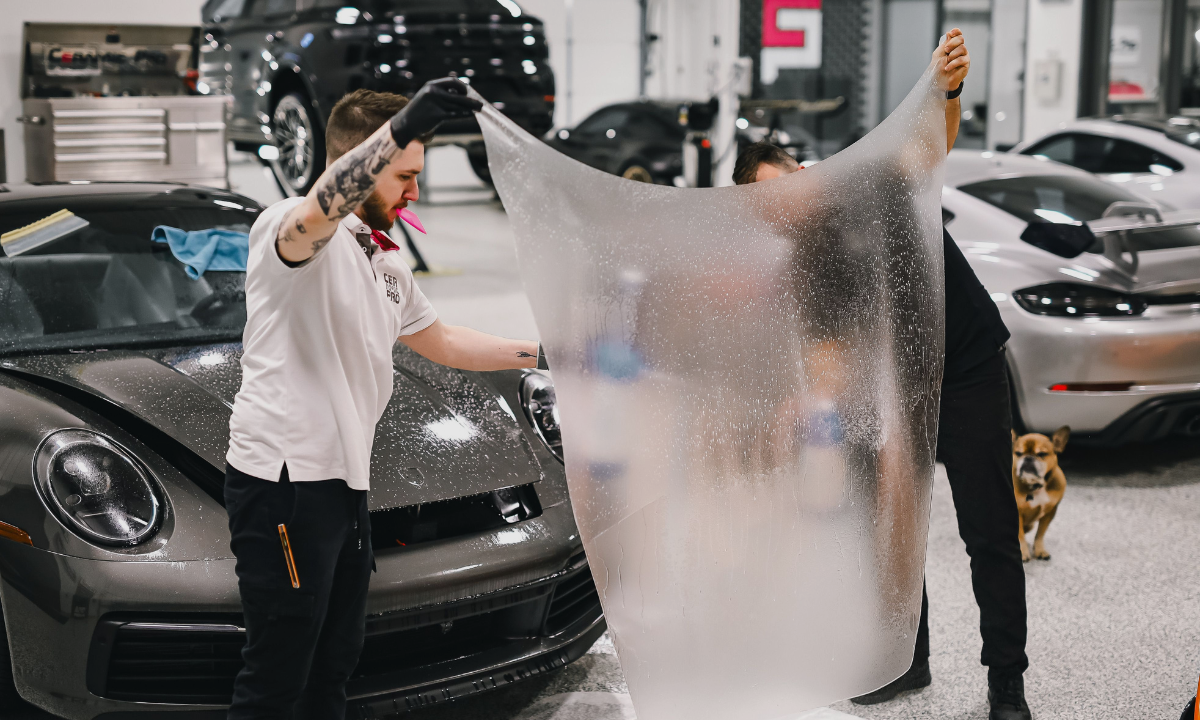

For Australian car enthusiasts who regularly exercise their machinery on regional inland highways, road debris is a constant threat. Loose gravel, coarse bitumen and rogue stone impacts can rapidly ruin an immaculate custom paint job.
When searching for a defensive shield, two words dominate the automotive detailing space: Ceramic Coating and Paint Protection Film (PPF).
However, misinterpreting the physical limitations of these products can lead to a very expensive mistake. While marketing campaigns often group them together under a generic “paint protection” banner, they use completely separate chemical properties to achieve entirely different protective goals.
Technical Breakdown: Chemical vs. Physical Barriers
A ceramic coating is a liquid polymer typically formulated from silicon dioxide ( ). When applied to a panel, it creates a microscopic chemical bond with the factory clear coat.
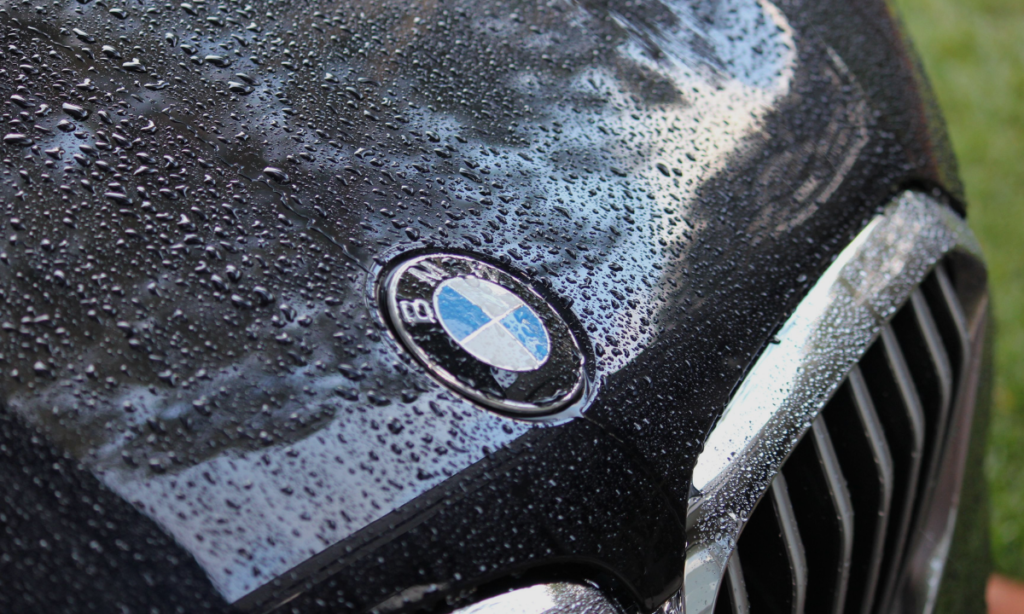
This layer is incredibly thin measuring under 2 microns. Its primary strength is hardening the surface to create exceptional hydrophobic water-beading, UV radiation defense and a deep, mirror-like gloss.
In absolute contrast, PPF is a visible, heavy-duty sheet of clear thermoplastic polyurethane (TPU). It acts as a heavy physical barrier with a typical thickness of 6 to 8 mils (roughly 150 to 200 microns). That means PPF is up to 100 times thicker than a ceramic layer.
Factual Surface Protection Comparison
| Performance Capability | Professional Ceramic Coating | Paint Protection Film (PPF) |
| Primary Material Matrix | Liquid Silicon Dioxide () | Thermoplastic Polyurethane (TPU) |
| Structural Thickness | Under 2 Microns | 150 to 200 Microns (6–8 mil) |
| Highway Stone-Chip Defense | ❌ Zero physical impact resistance | Excellent shock absorption |
| Self-Healing Technology | ❌ No | Yes (Via engine or ambient heat) |
| Average Installed Cost (AUS) | $1,200 to $2,500 | $1,800 (Front) to $8,000+ (Full) |
| Expected Lifespan | 2 to 5 Years | 5 to 10 Years |
The Highway Reality Check
The core engineering reality is straightforward: a liquid ceramic coating cannot stop a physical stone chip. Under pressure testing, the microscopic thickness of a ceramic layer lacks the mass required to absorb and disperse the kinetic energy of a sharp stone hitting your front bumper at 100 km/h. The impact will pierce right through the coating into the base metal or plastic.
PPF excels precisely at this task. The elastomeric properties of the thick polyurethane layer allow the film to flex and absorb structural impacts. Furthermore, high-tier modern films feature self-healing top coats; if a piece of road debris creates light swirl marks or surface scuffs, applying gentle heat dynamically resets the polymer chain, shifting it back into its smooth, original shape.
The Verdict
If your goal is an ultra-glossy show car finish that stays cleaner for longer with minimal maintenance, a professional ceramic application offers incredible value. But if you own a high-performance street build or classic muscle machine that frequently encounters heavy highway miles, investing in PPF for your high-impact panels specifically the front bumper, bonnet and side mirrors is the only proven mechanical method to stop stone chips in their tracks.