


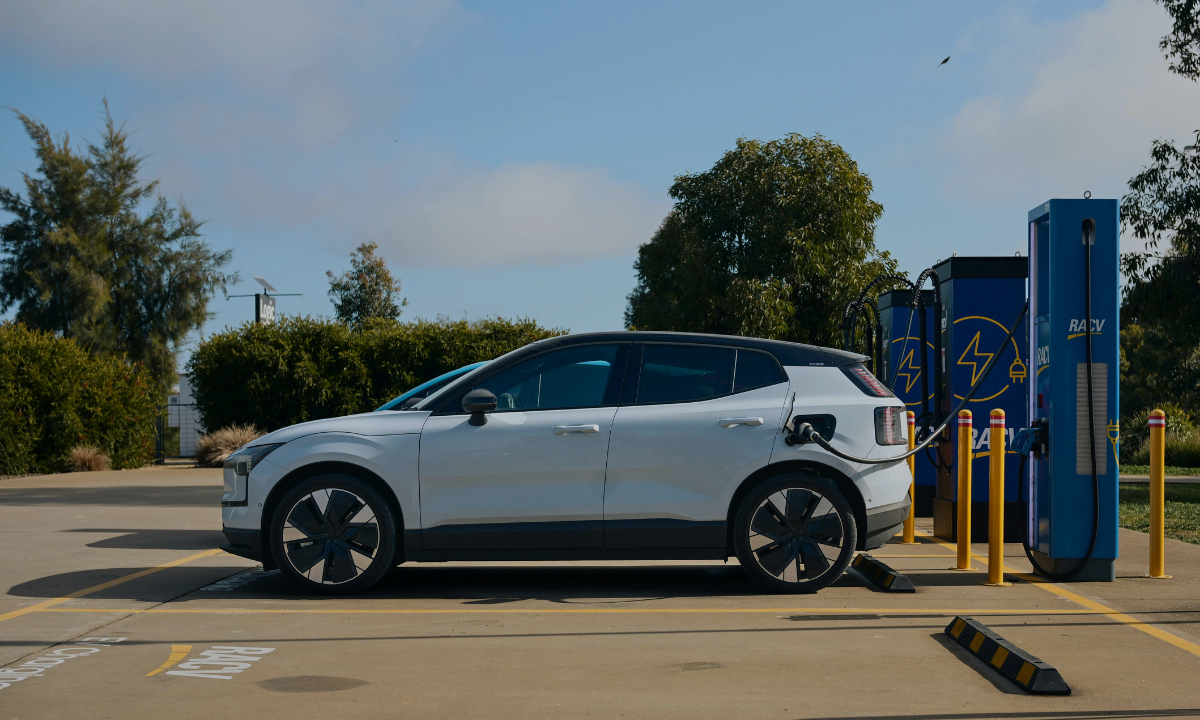

For years, the narrative surrounding electric cars in Australia followed a predictable loop: great for a inner-city commute, but completely impractical for the harsh realities of the open Aussie highway. Skeptics pointed to vast driving distances, a fragile charging network, and an obvious lack of affordable models.
That narrative is officially dead.
Driven by the practical rollout of the New Vehicle Efficiency Standard (NVES), a brutal price war among manufacturing giants, and an aggressive charging infrastructure expansion, the Australian electric vehicle market has shifted gears. Buying an EV down under is no longer a niche environmental statement it’s a mainstream performance and economic choice.
The Numbers Don’t Lie: The 2026 EV Sales Explosion
The Australian automotive landscape hit an unprecedented milestone recently. Battery electric vehicles (BEVs) captured a record-breaking 22% share of the new-car market, meaning nearly one in every five new passenger vehicles hitting local roads is fully electric. When you factor in the massive 200%+ year-on-year surge in plug-in hybrids (PHEVs), low-emission drivetrains are rapidly capturing market share once dominated entirely by petrol and diesel.
May 2026 Drivetrain Market Share in Australia
=============================================
Petrol: ███████████████ 29.7%
Diesel: █████████████ 26.0%
BEV (Electric):███████████ 22.0%
Hybrid (HEV): ██████████ 19.7%
PHEV (Plug-In):█████ 9.6%
The driving force behind this acceleration isn’t just luxury buyers opting for high-end tech. It is a highly competitive battle for the mass market.
The Duel Down Under: Tesla vs. BYD & The Chinese Wave
While the Tesla Model Y continues to hold its crown as Australia’s best-selling individual EV model, the structural shift is happening lower down the price ladder.
Chinese manufacturing powerhouse BYD has firmly cemented itself as Australia’s second-highest-selling EV brand. Combined with new entries from Geely, Zeekr, and Deepal, buyers are suddenly spoiled for choice in the sub-$50,000 bracket a segment that legacy European and Japanese brands have been slow to defend.
The NVES Factor: Why Car Brands Are Forcing the Shift
If you’ve noticed a sudden influx of highly competitive electric SUVs and city cars in your local showroom, you can thank the federal government’s New Vehicle Efficiency Standard (NVES).
The policy sets strict fleet-wide emissions targets for passenger and light commercial vehicles. Car brands that sell high-emissions vehicles (like traditional dual-cab diesel utes and large petrol SUVs) must offset those emissions by selling zero or low-emission vehicles, or face severe financial penalties.
The Result: Car manufacturers are heavily incentivised to allocate their best, most affordable EV inventory to Australia. The days of our market being treated as a dumping ground for legacy internal combustion engines are officially over.
State of Charge: Mapping the Australian Grid
The number one question holding back Aussie buyers has always been: Can I actually take this thing on a road trip?
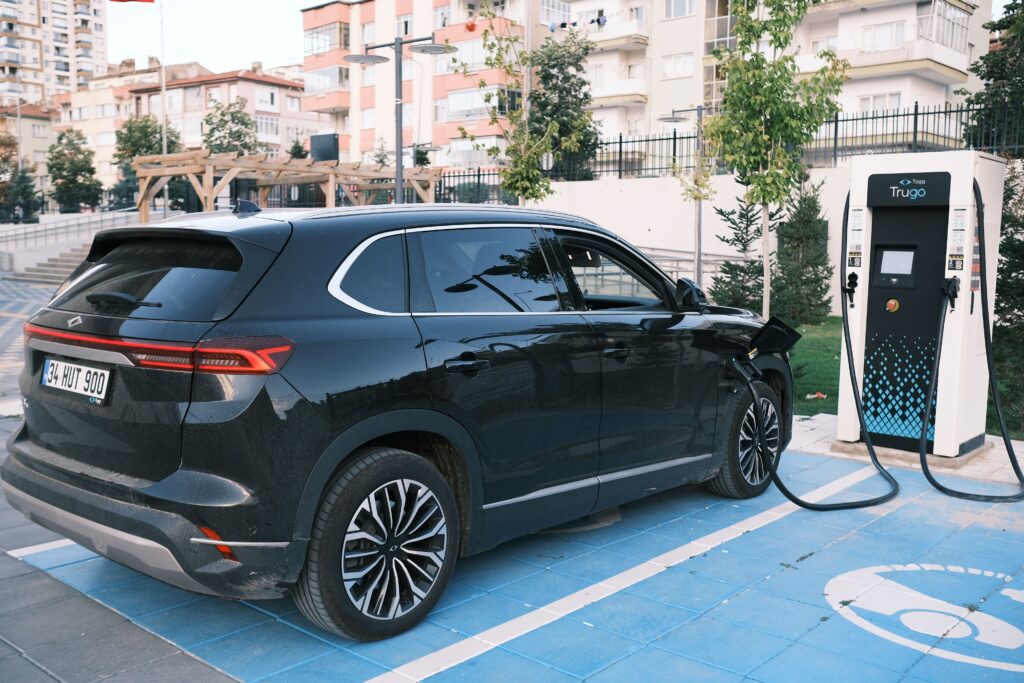
The infrastructure layout has dramatically matured from a speculative startup network into a disciplined, high-speed utility grid. Australia now boasts over 5,000 public EV charging sites, with a hyper-focus on heavy-duty DC fast chargers along key transit corridors.
| Network Provider | Footprint Focus | Key Edge / Pricing |
| Tesla Supercharger | National Highways & Major Metros | Industry-leading uptime; heavily opening up to non-Tesla vehicles. |
| Chargefox | Nationwide / Automobilist Clubs | Australia’s largest aggregator; 20% discount for NRMA, RACV, and RACQ members. |
| Evie Networks | Regional links & Inter-city Corridors | Backed by massive private capital; accelerating ultra-fast 350kW+ setups. |
| AmpCharge / BP Pulse | Traditional Fuel Stations | Fuel brands retrofitting drive-through bays; launching 400kW ultra-rapid chargers. |
Conquering the Long Haul: The WA EV Highway
For structural proof of progress, look no further than the completion of the WA EV Network. Spanning a staggering 7,000 kilometres with high-powered stations spaced roughly 200km apart, the network has successfully opened up the remote expanses of Western Australia proactively killing off “range anxiety” for transcontinental travelers.
The Horizon: V2G and the Electrified Ute
As the market continues to evolve, the next major battleground isn’t the family SUV it’s the dual-cab ute and the domestic energy grid.
1. The Arrival of the Electric Workhorse
Australia’s obsession with utes (like the HiLux and Ranger) has long been the final frontier for EV adoption. The launch of heavy-duty, lifestyle-oriented plug-in options like the BYD Shark 6 proves that manufacturers are finally figuring out how to deliver the towing capacity, torque, and 4×4 capability that Australian tradies and adventurers demand without sacrificing driving range.
2. Vehicles as Home Batteries (V2G)
Vehicle-to-Grid (V2G) technology is rapidly scaling up across Australia, backed by multi-million dollar trials from the Australian Renewable Energy Agency (ARENA). Instead of an electric car simply consuming power, homegrown V2G charging setups allow your vehicle’s massive battery pack to act as a home energy storage system powering your house during peak pricing periods or feeding energy back into the grid for profit.
The RaceWire Verdict
The transition to electric cars in Australia is no longer a slow burn. With infrastructure finally keeping pace with skyrocketing demand, and policy mandates restructuring what dealerships can sell, the electric vehicle market has matured. Whether you are chasing the instant torque of an enthusiast build or trying to bypass fluctuating fuel prices entirely, the electric segment is officially where the innovation lives.