


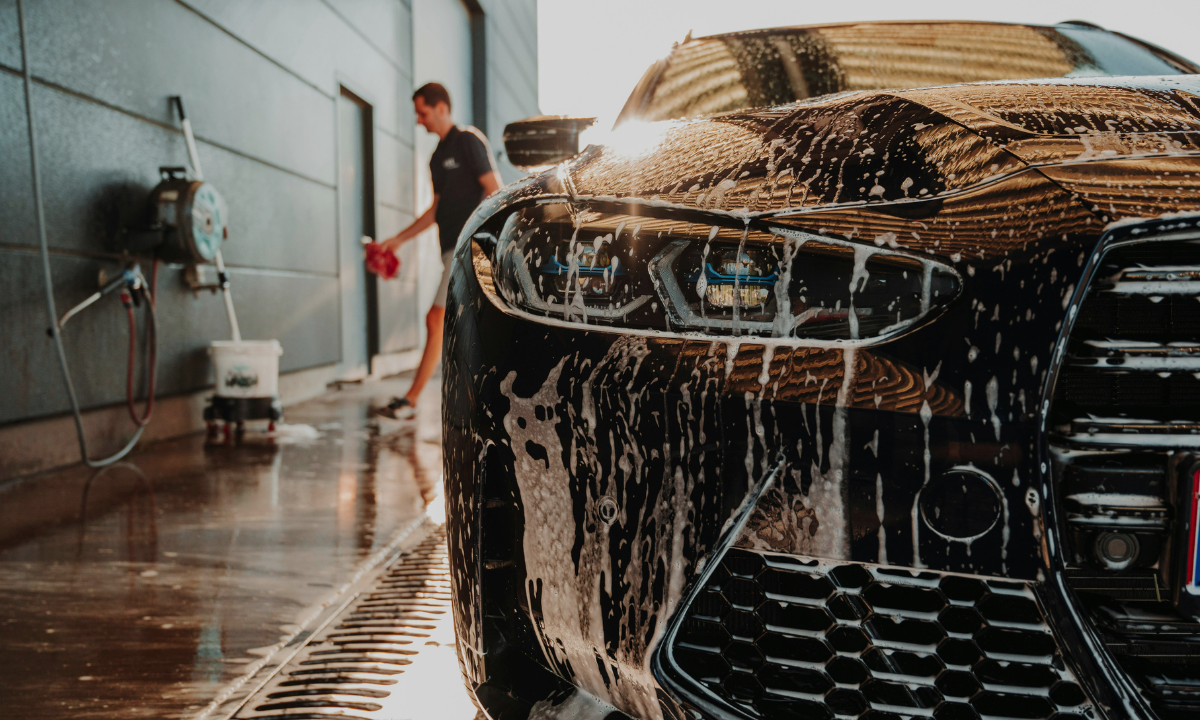

You do not need a professional detailer, a fancy setup, or a whole day blocked out to get your car looking genuinely clean.
What you do need is the right process, done in the right order, with products that suit Australian conditions because the heat, UV intensity, and road grime we deal with here is not the same as what detailing guides written for a British garage are working around.
Here is how to detail a car at home, properly.
What You Actually Need Before You Start
The biggest mistake most people make with car detailing is skipping preparation. They grab a bucket, whatever soap is under the sink, and a sponge from the kitchen, and then wonder why the finish still looks dull.
The minimum kit you need:
Two buckets (one for soapy water, one for rinse water). A quality car wash shampoo not dish soap, which strips wax and protection. A good quality microfibre wash mitt. A separate set of microfibre drying towels. A quality paint sealant or carnauba wax. Tyre and trim dressing. A glass cleaner safe for automotive use.
In Australia, brands like Bowden’s Own, Mothers, and Meguiar’s are widely available and well-suited to local conditions. Bowden’s Own in particular has built a loyal following among Australian detailers for good reason.
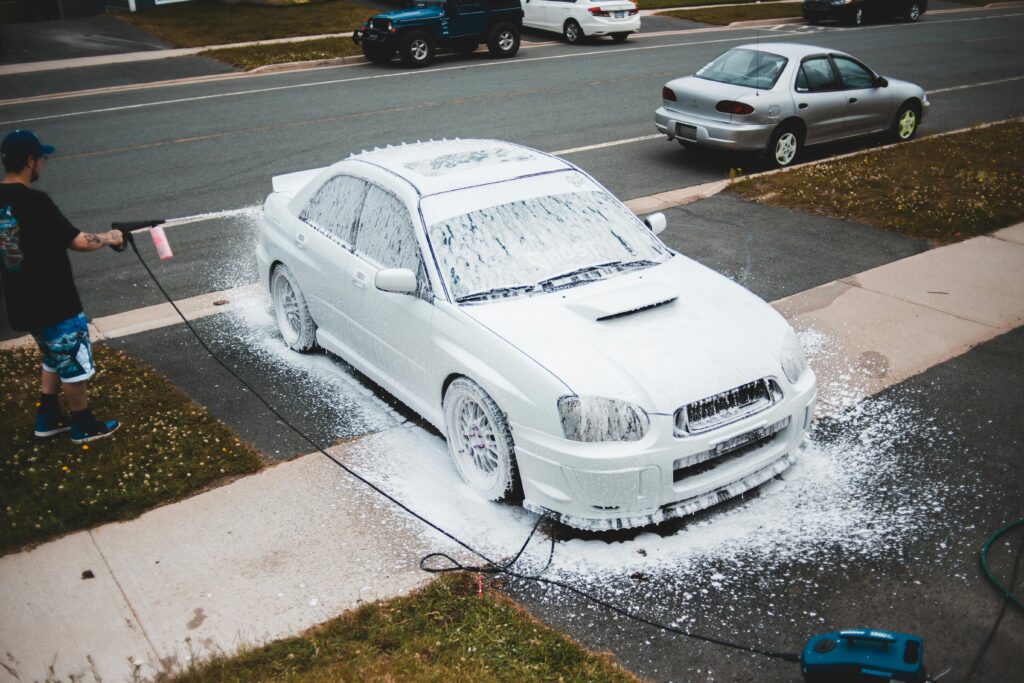
Step 1: Rinse First, Always
Before you touch the car with anything, rinse the whole vehicle thoroughly with a hose or pressure washer.
You are trying to remove loose dirt, grit, and debris before you start moving anything across the paint. Skipping this step is how swirl marks happen. The grit you drag across a dry or barely wet panel is what creates those fine scratches that make paint look dull in direct sunlight.
Rinse from the roof down. Let the water do the heavy lifting before you introduce any contact.
Step 2: Two-Bucket Wash
Fill one bucket with your car shampoo mixed to the manufacturer’s ratio. Fill the second bucket with clean water only.
Work from the top of the car down roof, windows, bonnet, boot, then doors, then lower panels and sills last. The lower sections carry the most road grime and contamination, so you always leave those until after you have cleaned the cleaner panels.
After each pass of the mitt across the car, rinse the mitt in the clean water bucket before reloading it with soap. This is the whole point of the two-bucket method: you are not dragging contamination back onto the paint.
Step 3: Dry Properly
Air drying leaves water spots, particularly in Australian summer heat and UV. Do not leave the car to drip dry.
Use a large, plush microfibre drying towel and work panel by panel. Pat and drag rather than buffing aggressively. If you have a leaf blower or compressed air, blowing out the door mirrors, badges, and door handles first prevents water from dripping back onto panels you have already dried.
Step 4: Clay Bar (When Needed)
If your paint feels rough to the touch even after washing run a clean finger across a bonnet that should be smooth you have bonded contamination sitting on the surface. Tar, fallout, industrial dust, and tree sap all bond to paint and cannot be removed by washing alone.
A clay bar removes this. Work section by section with clay lubricant, using gentle overlapping strokes. The clay will pull the contamination off and the surface will become noticeably smoother.
This does not need to happen every time you detail. Once or twice a year is typically enough for most Australian drivers.
Step 5: Polish (If Your Paint Needs It)
Polishing is the step that genuinely restores paint rather than just cleaning it. It removes fine swirl marks, light scratches, and oxidation and oxidation is a very real issue in Australian conditions given the UV intensity.
Machine polishing gives better results than hand polishing, but hand application with a foam applicator pad and a light finishing polish will still make a meaningful improvement.
If the paint is visibly dull, faded, or covered in swirl marks in direct light, polishing before your protection step will make the end result dramatically better.
Step 6: Protect
Wax or paint sealant applied to clean, polished paint is the step that makes everything last.
In Australian conditions, a synthetic paint sealant typically outperforms a traditional carnauba wax on longevity. Carnauba gives a warmer, deeper look often preferred on darker and classic cars but breaks down faster under UV and heat.
Apply thin, even coats. Let it haze. Buff off with a clean microfibre. Do not rush this step.
Step 7: The Details That Finish the Job
Clean the glass inside and out with an automotive glass cleaner. Dress the tyres and exterior trim with a water-based tyre dressing avoid greasy silicone-based products that sling onto the paint.
Vacuum and wipe down the interior, treat any leather, and clean the door jambs.
The difference between a clean car and a detailed car is usually in these last steps.