


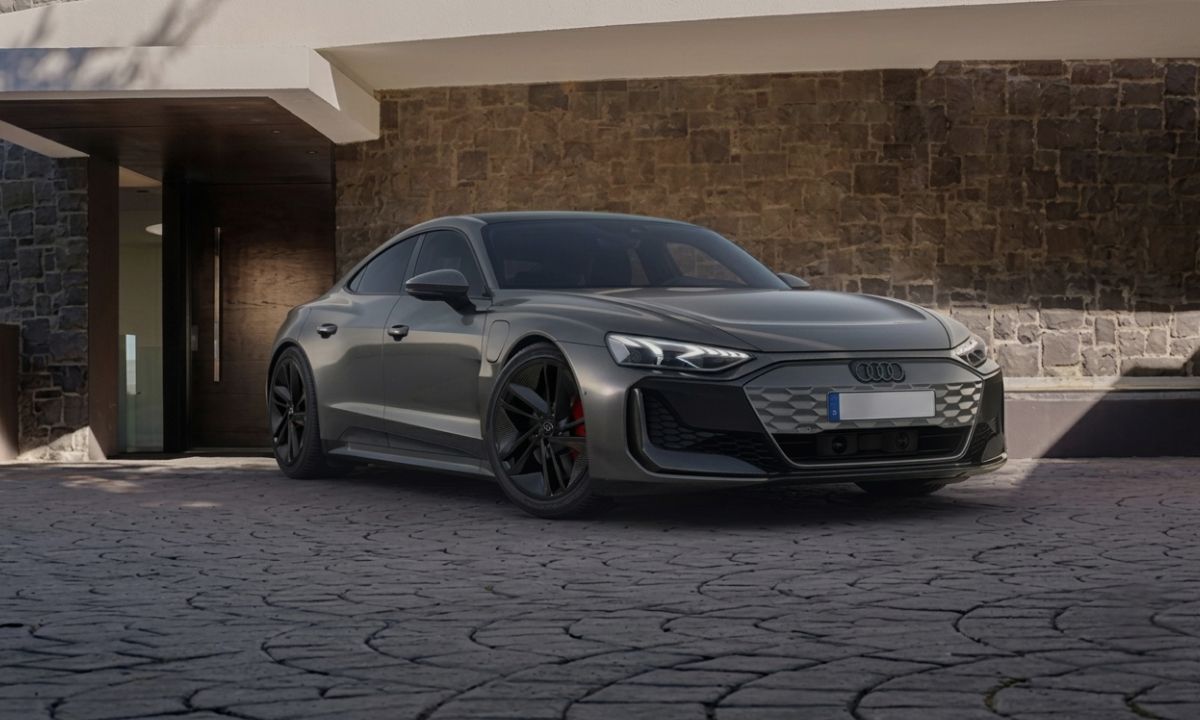

The automotive world pivoted in 2026 and nowhere is that shift more evident than in Audi’s commitment to making the RS e-tron GT Performance its most powerful, quickest Audi ever manufactured. This declaration from Stuttgart’s performance division marks more than marketing hyperbole it represents a genuine inflection point where electrified vehicles aren’t compromises on supercar ideals but rather radical reimaginings of what supercar capability means.
For Australian enthusiasts weaned on V8 tradition and combustion engine symphony, this transition requires mental recalibration. The RS e-tron GT Performance doesn’t replicate traditional supercar experiences; it redefines them entirely.
Performance Specifications That Challenge V8 Dominance
The Audi RS e-tron GT Performance delivers 912 horsepower and 1,417 Nm of torque through its dual-motor all-wheel-drive system. Those figures warrant repetition: 1,417 Nm higher than most supercars regardless of engine type or displacement. That translates to 0-100 km/h acceleration in approximately 2.4 seconds, approaching hypergear territory previously inhabited exclusively by six-figure hypercar exotica.
The top speed reaches 270 km/h, electronically governed not through insufficient capability but through tyre rating limitations and energy management pragmatism. Yet this “limitation” obscures the real innovation: the RS e-tron GT’s performance remains completely accessible from complete standstill. Unlike turbocharged engines requiring spool-up time, electric motors deliver maximum torque instantaneously.
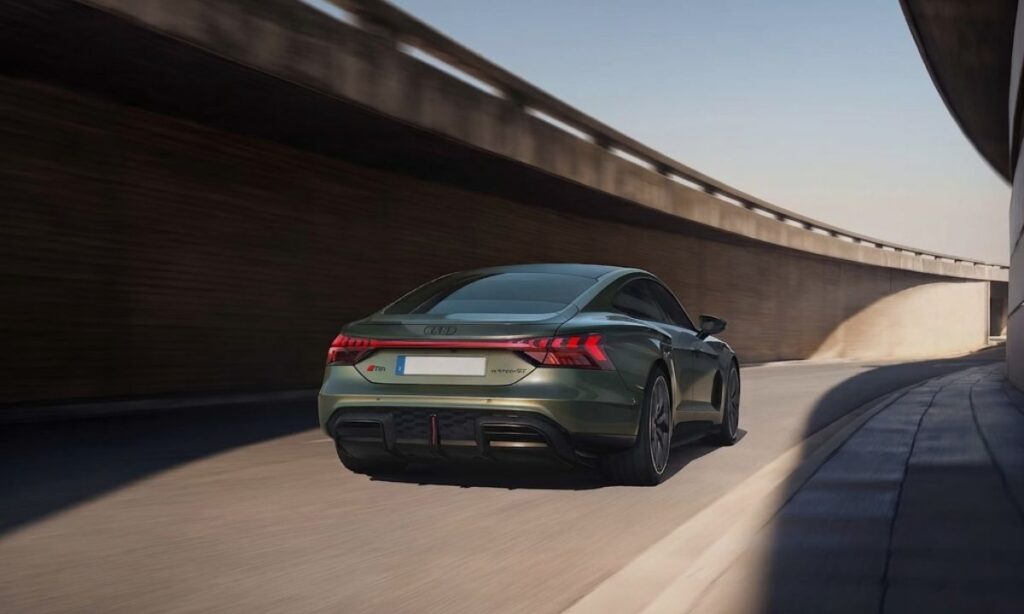
Range, Charging and Australian Reality
Here’s where electric supercars demand fresh thinking. The RS e-tron GT Performance, equipped with its 93-kWh usable battery capacity, provides approximately 480 km of range under Australian testing conditions (WLTP combined cycle). For weekend track days at Eastern Creek (approximately 90 km from Sydney CBD), Melbourne’s Winton Motor Raceway (100 km from city centre), or Adelaide’s Mallala Motorsport Park (approximately 60 km south), this range proves entirely practical.
Charging infrastructure remains crucial. At-home charging via Audi’s 11-kW home wallbox restores 80% capacity in approximately 10 hours perfect for overnight charging between track events. Australian public DC rapid-charging networks (Australia’s growing NRMA and BP pulse infrastructure) enable 80% recharge in roughly 35-40 minutes, making interstate supercar adventures feasible for the first time in electric history.
Ownership Economics in Australia
Pricing starts at approximately AUD $185,000–$210,000 (AUD pricing, vehicle-dependent on local specification and dealer margins). That positions the RS e-tron GT Performance below many naturally aspirated supercars while delivering objectively superior acceleration figures.
The real economic advantage emerges through operational costs. Electricity charges in Australia average approximately $0.25–$0.35 per kWh (varying by state and retailer). A complete charge of the 93-kWh battery costs approximately AUD $23–$33, providing 480 km of range effective energy cost of approximately $0.05–$0.07 per kilometre. Compare this to V8 supercars consuming 12–15 litres per 100 km at current Australian fuel prices (approximately AUD $1.70–$1.90 per litre) and the RS e-tron GT saves approximately AUD $0.20–$0.28 per kilometre in fuel costs alone.
Maintenance expenses favour the electric platform dramatically. No oil changes, no spark plugs, no transmission servicing. Regenerative braking means brake pads last substantially longer often outlasting the vehicle’s ownership period entirely. Audi Australia’s warranty covers the battery for 8 years or 160,000 km, providing substantial peace of mind.
Driving Dynamics: The Disconnect Effect
Traditional supercar enthusiasts often voice concerns about electric vehicles feeling sterile or disconnected. The RS e-tron GT Performance addresses this anxiety directly through sophisticated engineering. Audi’s Drive Select system offers multiple driving modes: efficiency mode prioritises regenerative braking and energy conservation; comfort mode balances performance with practicality; sport mode unleashes the full 912 horsepower and sharpens throttle response to near-instantaneous levels.
Track mode, engineered specifically for circuit driving, delivers the most unfiltered experience: maximum performance, minimum intervention. At Bathurst, Melbourne’s Albert Park circuit (Australian Grand Prix venue), or Eastern Creek’s technical layouts, the RS e-tron GT’s instant torque delivery and perfectly balanced weight distribution provide platform confidence that seasoned drivers appreciate.
One often-overlooked advantage: the low centre of gravity (battery positioned in the vehicle floor) delivers handling dynamics impossible with front-mounted engines. The RS e-tron GT behaves more like a mid-engine supercar than a traditional front-engined grand tourer.
The Verdict
The Audi RS e-tron GT Performance represents not a compromise but a paradigm shift in what supercars can deliver. It abandons combustion engine romance entirely, replacing it with accessible, daily-drivable, genuinely thrilling performance. For Australian drivers, the combination of performance, operating costs and environmental alignment makes the case compelling.
This isn’t the supercar that combustion enthusiasts would have designed it’s the supercar that future generations will look back on as the moment when electric capability definitively matched and exceeded petrol performance. Whether that future is your present depends on whether you’re ready to embrace it.