


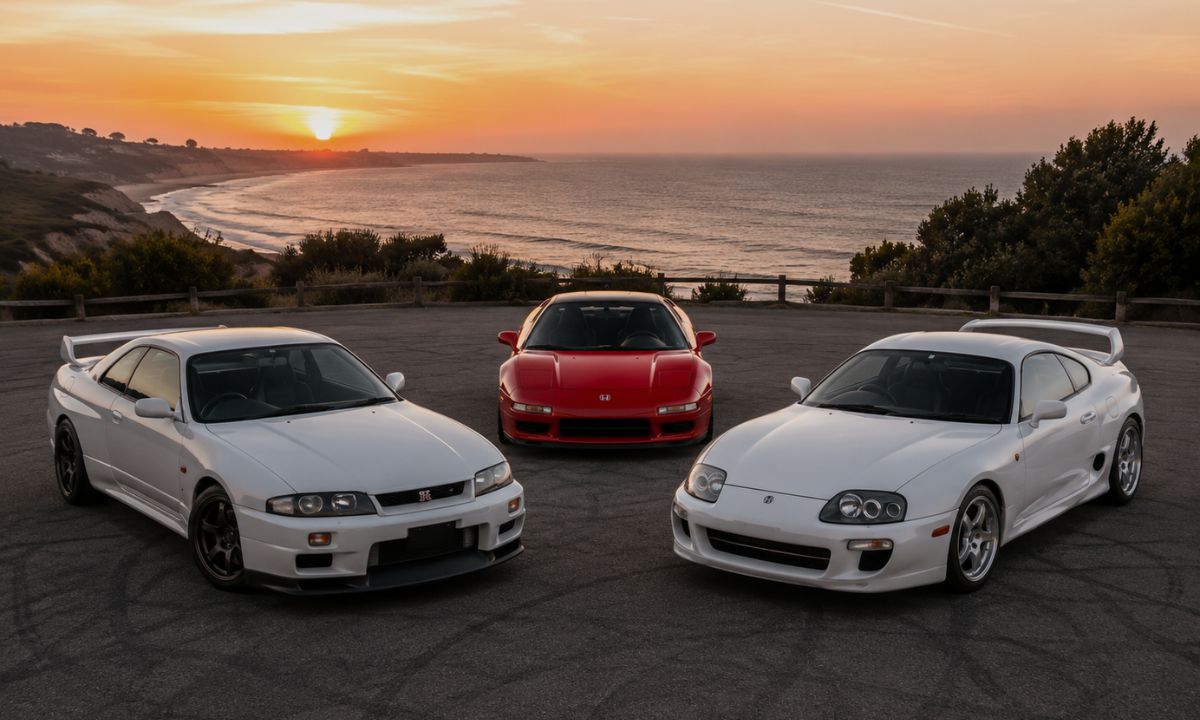

The Australian classic car market experienced a seismic shift. While traditional collectors obsessed over 1960s Jaguar E-Types and early 1970s Porsches, a quieter revolution unfolded: 1990s Japanese sports cars once viewed as disposable youth machines transformed into legitimate investment-grade collectibles. The numbers tell an extraordinary story. Between 2016 and 2026, original-condition Nissan Skyline R33 GT-R values appreciated approximately 340% in Australian markets. Honda NSX examples climbed 280%. Toyota Supra A80 values surged 310%. These aren’t anomalies; they’re market fundamentals reshaping Australian automotive culture.
The Convergence: Why Now?
Understanding this appreciation requires examining three converging factors. First, generational wealth transfer. Millennials the demographic that grew up obsessing over Initial D anime, Fast & Furious films and Gran Turismo gaming now possess purchasing power. These weren’t accidents; they were automotive dreams cemented in adolescent consciousness. Second, rarity. Japanese manufacturers produced these cars 25-30 years ago in volumes assumed infinite at the time. Today, rust, accidents and neglect decimated surviving examples. Original, low-kilometre examples became genuinely scarce. Third, regulatory tailwinds. Australia’s 25-year import rule means cars manufactured before 2001 can enter Australia without meeting modern emissions standards. This created a legal pathway for importing appreciating Japanese classics previously unavailable domestically.
The Investment Case: Numbers That Matter
Consider a 1998 Nissan Skyline R33 GT-R with original condition and 60,000 kilometres on the odometer. In 2016, such vehicles sold for approximately AUD $55,000–$65,000. Today, comparable examples command AUD $180,000–$220,000. That represents a compound annual growth rate (CAGR) of approximately 19.8% substantially outpacing traditional investment vehicles including property appreciation (Australian median 6-7% CAGR) and share market returns (ASX 200 historical average approximately 9-10% CAGR).
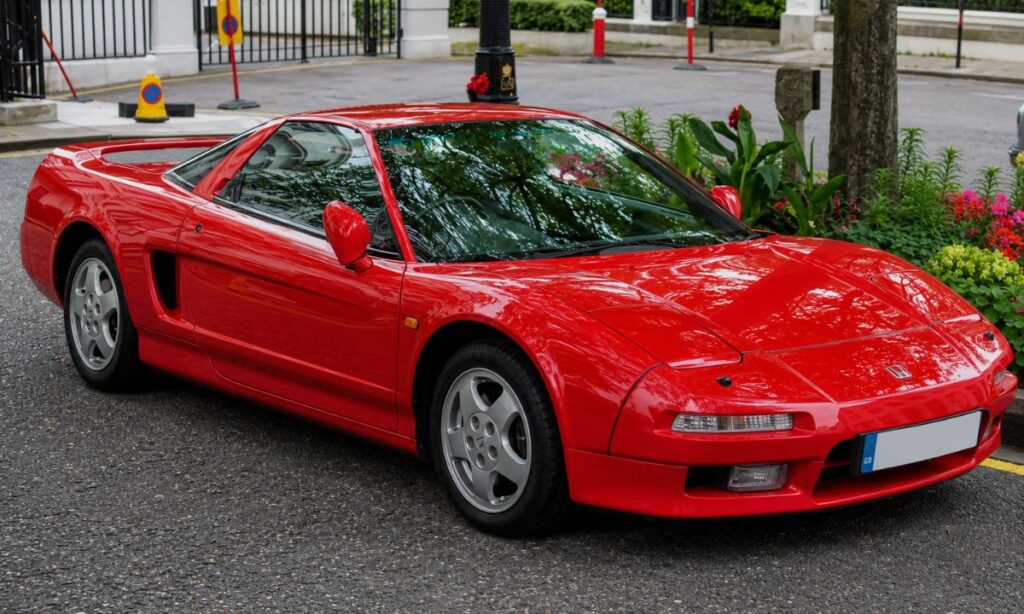
Original mechanical condition trumps cosmetic perfection dramatically. A stock 1995 Honda NSX with 120,000 kilometres, unmodified engine and intact original interior, sells for approximately AUD $140,000–$160,000. The identical model with professional repaint, upgraded interior trim and engine modifications struggles to achieve AUD $110,000. This reversal original condition commanding premiums over “improvements” represents genuine market maturation.
Regional Market Variations Matter
Australian geography influences classic car values substantially. Coastal properties in Brisbane, the Gold Coast and Sydney face salt-air corrosion challenges that diminish vehicle condition over decades. Desert regions (inland Queensland, South Australia’s Outback) present heat damage and sun exposure risks. The most valuable Japanese classics cluster in inland Victoria and NSW regions where climate stability minimised environmental degradation.
Professional storage climate-controlled facilities ranging AUD $100–$300 monthly becomes essential for protecting six-figure assets. This operational cost factors into the investment calculus yet remains trivial compared to appreciation potential.
The Toyota Supra A80 Phenomenon
The Toyota Supra A80 (1993-2002) exemplifies modern classic trajectories. These machines arrived as understated grand tourers, completely overshadowed by Nissan Skyline GT-R notoriety. Today, appreciation dynamics favour the Supra. Original 2JZ-GTE turbocharged engines produce 320 horsepower (approximately 230 kW), delivering genuine supercar performance wrapped in Japanese reliability reputation.
A 1997 Toyota Supra RZ with original specification, 80,000 kilometres and complete service history commands approximately AUD $165,000–$195,000 in current Australian markets. Significantly, Supra demand exceeds supply more dramatically than comparable Skylines, indicating potential for continued appreciation as generational awareness increases.
Storage, Insurance and Practical Realities
Ownership involves genuine operational costs. Specialist classic car insurance (required for investment-grade examples) ranges approximately AUD $1,500–$2,500 annually, depending on coverage level and agreed valuation. Climate-controlled storage adds AUD $1,200–$3,600 annually. Mechanical servicing essential for preservation despite minimal driving costs approximately AUD $2,000–$3,500 annually for Japanese classics.
These costs appear substantial until annualised against appreciation. A AUD $200,000 investment appreciating at 15% annually generates AUD $30,000 appreciation thoroughly offsetting AUD $7,000 in annual operational expenses.
Market Risks: Honest Assessment
Not every 1990s Japanese car becomes valuable. Poor condition examples remain depreciating liabilities. Market saturation risks exist; if everyone purchases Skyline GT-Rs, supply-demand dynamics shift unfavourably. Additionally, Australian regulations could change. A future government might restrict import eligibility or introduce emissions compliance requirements. These uncertainties demand acknowledging.
Yet historical data proves compelling. Markets pricing 1980s Japanese cars appreciated similarly 10 years ago and appreciation continued despite regulatory uncertainty.
The Verdict
The modern classic market isn’t speculative; it reflects genuine scarcity, cultural significance and investment maturation. Japanese sports cars from the 1990s represent arguably Australia’s most compelling automotive investment opportunity in 2026. Low-mileage, original-condition examples deliver appreciation rates exceeding traditional investment vehicles while providing genuine driving enjoyment an intangible benefit that property and share portfolios cannot match.
For Australian collectors, the question isn’t whether modern classics represent sound investments. The question is whether you’ll act before worldwide demand pushes prices beyond accessibility. History suggests that window closes faster than anticipated.