


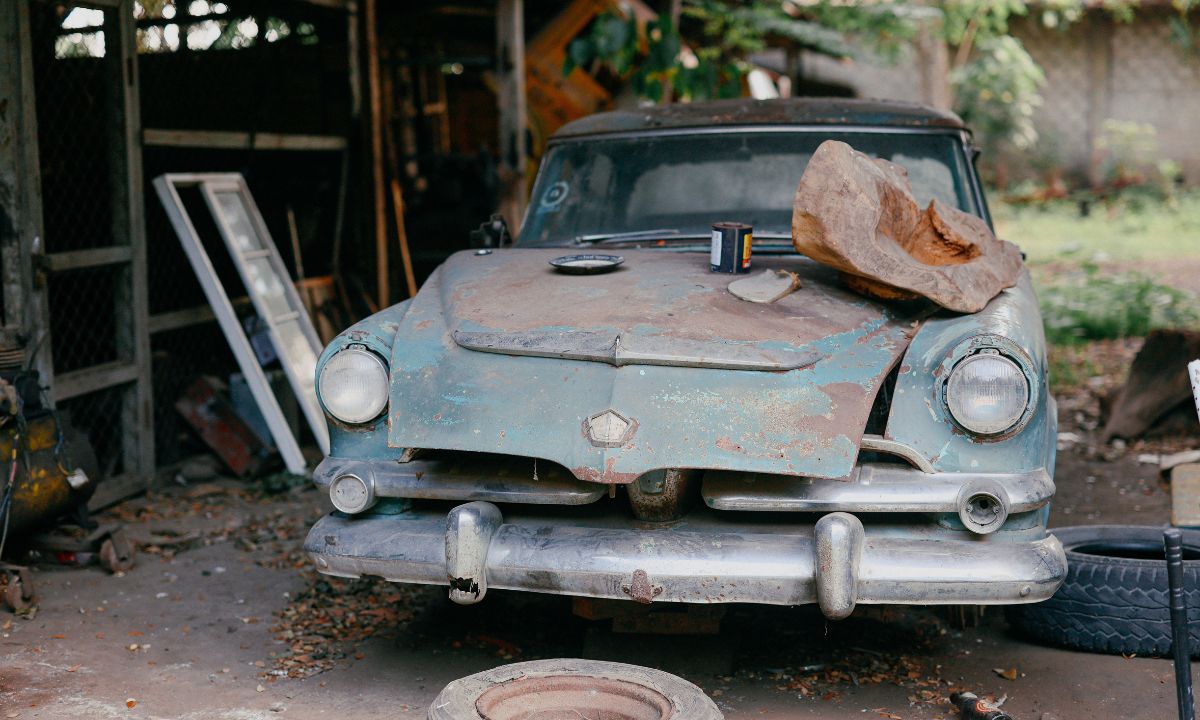

Every car enthusiast has stumbled across that irresistible online listing or dusty barn find: an iconic classic silhouette sitting under a tarp, priced at a fraction of its market value. The dream of rolling up your sleeves, spending weekends in the garage and turning a rusted shell into a gleaming street machine is one of the most rewarding pursuits in motoring culture.
However, the line between a satisfying DIY restoration and an endless financial black hole is dangerously thin. Before pulling out your trailer and handing over your deposit, you must run a cold, factual evaluation on whether that project car is actually worth saving.
The Cold Math: Purchase Price + Restoration vs. Market Ceiling
The single biggest mistake first-time restorers make is underestimating the true cost of parts, rust repai and paint. To determine if a project makes financial sense, apply the Rule of Equivalence:
Purchase Price + Estimated Restoration Budget + 20% Contingency Buffer ≤ Finished Market Value
If the total estimated outlay exceeds what pristine, fully finished examples are selling for in current auction markets, you are entering “upside-down” territory. Unless the vehicle holds priceless sentimental family value, you will almost always save money by buying an already completed classic.
Project Evaluation Matrix: Dream vs. Pitfall
| Evaluation Criteria | Worth Restoring (Green Light) | Walk Away (Red Light) |
| Body & Frame | Complete panels; minor cosmetic surface rust | Severely rotted sills, floor pans, or bent chassis rails |
| Completeness | 80%+ intact with rare trim & glass present | Missing bespoke interior trim, rare badging, or glass |
| Drivetrain | Original or period-correct matching numbers | Incorrect engine swap requiring custom engineering compliance |
| Parts Availability | Strong aftermarket support (e.g., Falcon/Commodore) | Obsolete orphan model with zero reproduction panels available |
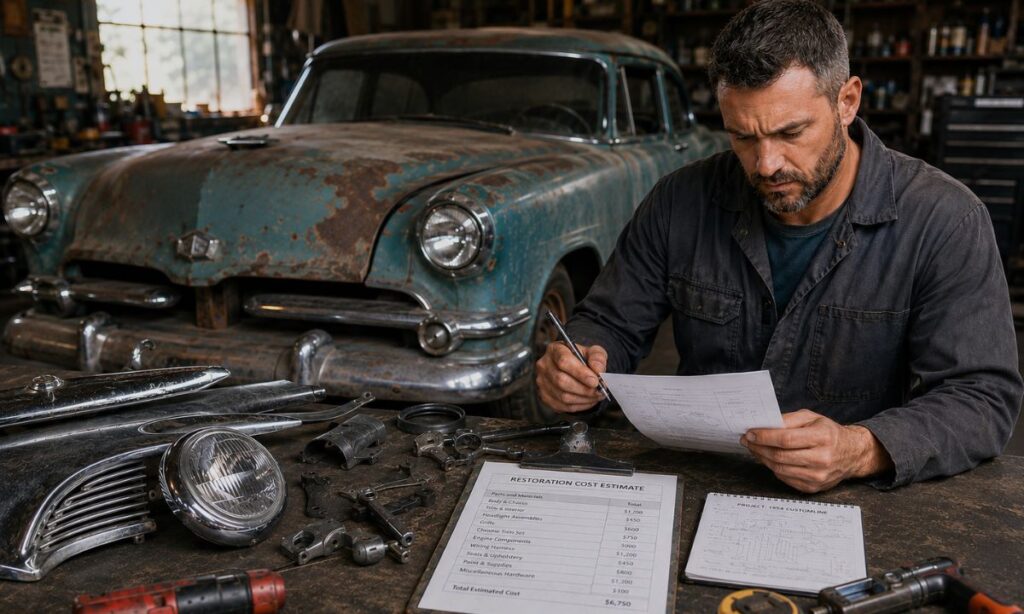
Critical Areas That Drain Your Wallet
When inspecting a potential project, prioritize these high-ticket items over basic mechanical repairs:
- Rust & Sheet Metal Fabrication: Replacing a water pump or rebuilding a carburetor is straightforward. Cutting out rotted steel, welding in fresh repair sections and aligning body gaps requires hundreds of hours of labor or specialized panel-beating fees.
- Paint & Body Preparation: Achieving a mirror finish requires extensive sanding, blocking and priming. A professional paint job easily eats up $10,000 to $20,000+, rapidly swallowing a modest budget.
- Missing Trim & Glass: Sourcing obscure, hard-to-find chrome moldings, original dashboards, or curved vintage windscreen glass often costs significantly more than rebuilding the engine itself.
The Verdict
A successful DIY project car evaluation isn’t about killing the dream it is about protecting your bank account so you can actually finish the build. Look for complete, structurally sound cars with solid floors and intact trim. By doing the math before bringing the car home, you guarantee your project ends with a driving key in your hand rather than a disassembled shell listed on digital marketplaces years later.