


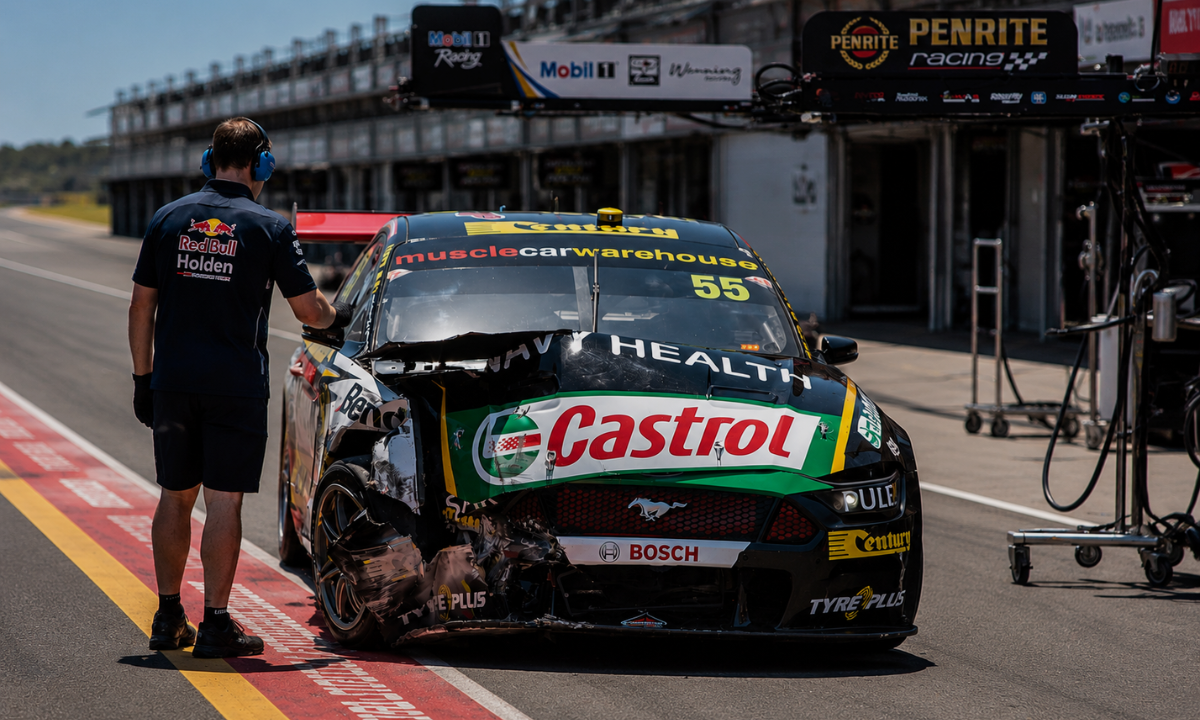

The Repco Bathurst 1000 is legendary for its unforgiving walls, extreme elevation and high-speed blind crests. But heading into the Great Race, the biggest threat to the grid’s independent, single-car privateer teams isn’t the concrete at Skyline or the high-speed sweep of The Chase.
It is the brutal, locked-in economy of the Gen3 platform.
When Supercars introduced the Gen3 technical regulations, the stated goal was to slash building costs down to a $350,000 turn-key target. Instead, global inflation, supply chain bottlenecks and specialized engineering have pushed build costs toward $1 million per car.
For small, self-funded teams, the combination of strict component monopolies and non-negotiable price locks has turned a high-speed crash from a repairable racing incident into a potential financial death sentence.
The Monopolized Component Grid
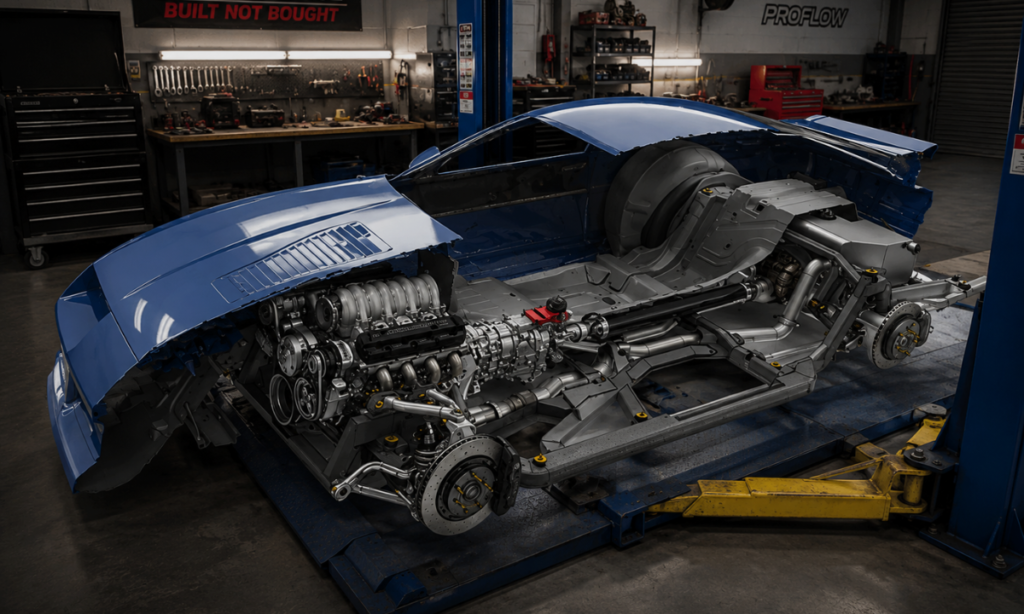
To guarantee sporting parity, the Gen3 regulations enforce a rigid structure of single-source control parts. Under the skin, every Chevrolet Camaro and Ford Mustang is built around a standard tubular steel spaceframe chassis.
[Chassis Repair] ➔ Must use officially licensed PACE Innovations Kits ($55k+ GST)
[Engine Rebuild] ➔ Locked to single suppliers (KRE for GM / Herrod for Ford)
[Drivetrain] ➔ Restricted to spec Xtrac transaxle units
Because of these rigid monopolies, teams are legally banned from engineering their own, cheaper replacement solutions or fabricating alternative brackets in their local shops.
If a driver clips the wall at the Cutting, the team cannot simply weld up a repair using raw steel tube. They are legally mandated to purchase a certified PACE Innovations chassis repair kit, which carries a steep price tag of over $55,000 in kit form before accounting for hundreds of hours of complex, specialized labor.
The Mid-Season Budget Trap
For factory-backed mega-teams with multi-million-dollar corporate sponsorship structures, a massive crash is a temporary setback. For a privateer operating on a tight, shoestring seasonal budget, a major shunt instantly exhausts their entire emergency parts reserve.
With control parts locked at fixed premium pricing, there is no room for financial negotiation, sponsor leverage, or volume discounts.
- The Spares Bottleneck: Buying a complete spares inventory (including spec front suspension uprights, control carbon-composite panels and spec steering racks) can easily cost as much as the initial car build.
- The Engine Rebuild Lock: To keep the Coyote and LS3-based spec V8s identical, engine rebuilds are legally restricted to designated single-source suppliers, putting a firm, unyielding price cap on standard drivetrain maintenance.
When a privateer car is severely damaged, the team faces an agonizing choice: spend their remaining testing and development budget just to purchase basic, regulated replacement parts, or park the car and risk losing their grid spot.
The Verdict
The Gen3 era was supposed to make Australian touring car racing affordable, fair and accessible for the entire grid. While it has successfully leveled the playing field, the sheer expense of specialized control parts has placed a massive financial burden on independent operators.
If the category wants to keep its grid full of diverse, fighting privateers rather than turning into a sport exclusively for factory-backed multi-car operations, Supercars must work with teams to find a sustainable way to drive cost out of these locked components. Otherwise, the mountain won’t just break cars it will break the teams that build them.