


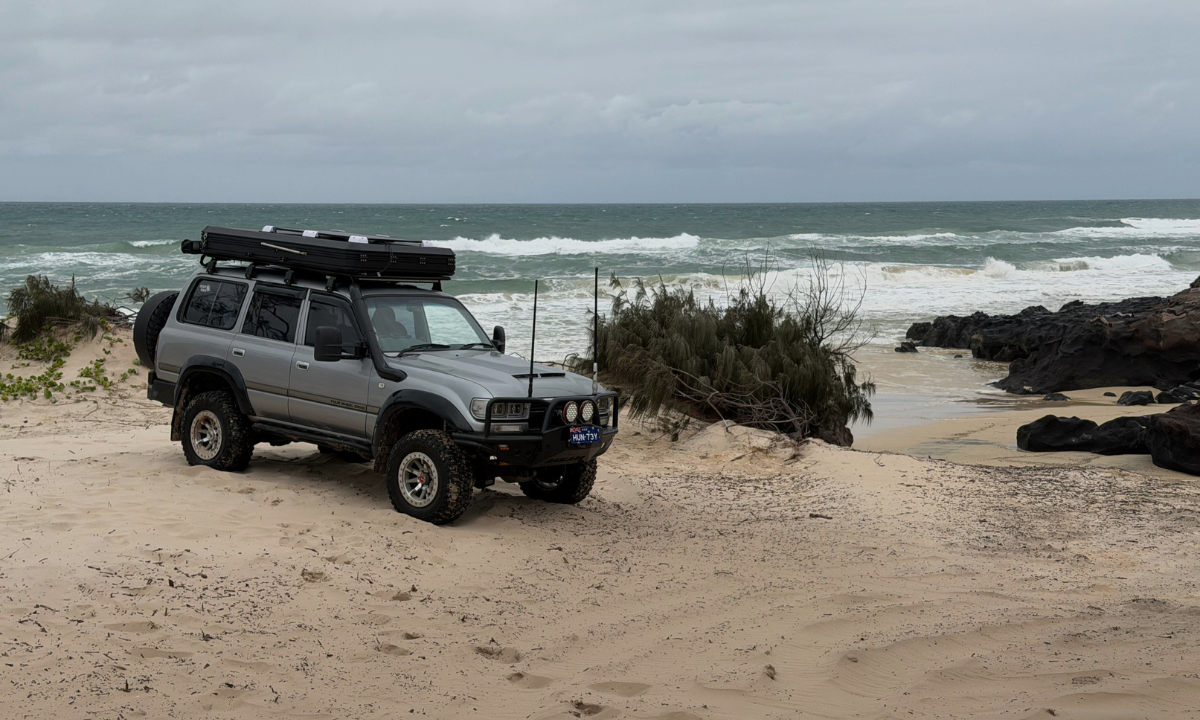

For generations of Australian overlanders, the true appeal of packing up a 4×4 and pointing the bullbar toward the red horizon was the promise of absolute isolation. Crossing the Simpson Desert or tackling the remote tracks of the Kimberley meant entering a silent pact with the landscape. You packed a satellite phone for emergencies, checked your paper maps and stepped completely off the grid. You didn’t just leave the city behind you escaped its relentless noise.
But a quiet, space-facing revolution has permanently altered the DNA of the classic Australian road trip. Armed with compact, flat-mounted Starlink Roam and Starlink Mini terminals, 4×4 travelers are taking high-speed internet to the absolute edges of the map.
While this technology democratizes remote travel, it is also quietly fracturing the unique psychology of remote exploration.
The Death of the “Unreachable” Excuse
In campgrounds from the Red Centre to the coastal dunes of Western Australia, a new shape now dominates the landscape. Alongside traditional solar panels and roof-top tents, little white rectangular satellite dishes are angled squarely at the sky.
For digital nomads, this transition is a massive financial and lifestyle enabler. It allows remote developers, creative designers and consultants to host crisp, high-definition Zoom calls while camped on pockmarked dirt 500 kilometres from the nearest town.
But that constant connection comes with a heavy psychological trade-off. The sweet, liberating excuse of being “out of range” has been completely eliminated. When high-speed, low-latency broadband is as easy to deploy as unfolding a camp chair, the mental boundaries between professional obligations and raw, off-grid decompression completely dissolve.

Safety Blanket vs. Manufactured Survival
This shift is fundamentally altering how drivers evaluate risk and prepare for remote travel.
| Old-School Outback Expedition | The Starlink-Enabled Era |
| Emergency Buffer: Relying strictly on PLBs, HF radios and deep mechanical self-reliance. | Instant Lifeline: High-speed communication for real-time video diagnostic advice. |
| Campground Vibe: Communal campfires, acoustic guitars and sharing local track notes. | Digital Campsites: Caravans lit by the glow of iPads streaming Netflix in the deep bush. |
| Navigation Plan: Topographic paper maps, pre-downloaded routes and dead reckoning. | Dynamic Navigation: Live weather radar overlays and instant digital map downloads. |
While having the power to stream a troubleshooting video when you crack a suspension component on a corrugated track is an undeniable safety asset, it also dilutes the visceral sense of true self-reliance. The wilderness is no longer a wild space you must adapt to; it is simply a scenic backdrop for a highly connected lifestyle.
The Verdict
Ubiquitous satellite internet is neither entirely good nor bad it is simply a tool that reshapes our relationship with the great outdoors. For many, the ability to work from anywhere is the only reason they can undertake a Big Lap at all.
But as we bolt these high-tech dishes to our roof racks, we must remember that the most valuable part of any outback journey isn’t how fast we can connect to the outside world. It’s our willingness to occasionally press the power button, step into the silence and let the wilderness do its work.