


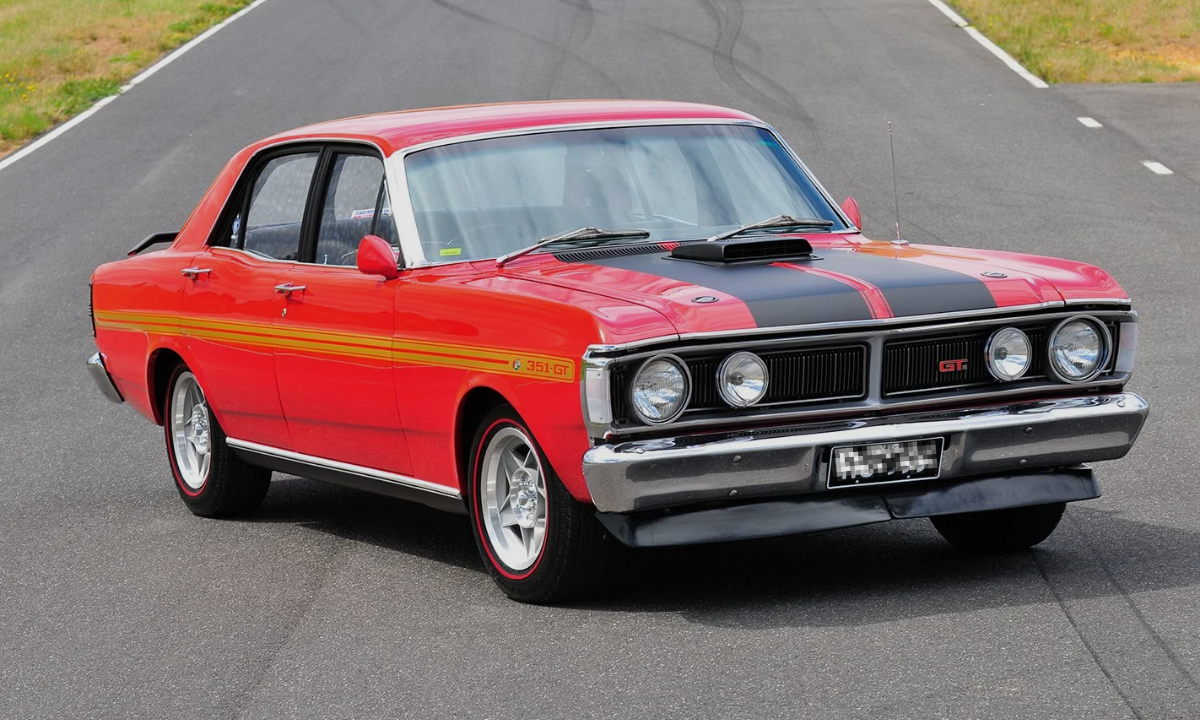

To the casual observer standing on a quiet rural main street, the sudden arrival of 150 classic muscle cars, modified street machines and vintage JDM coupes is simply a loud, colorful spectacle. The air fills with the rumble of V8 exhausts, chrome bumpers line up across the kerbside and owners gather to swap restoration stories.
But for small regional businesses facing tough economic times, this isn’t just a hobbyist meetup it is a vital financial lifeline. Far from being a niche subculture, grassroots car clubs down under have quietly evolved into a primary driver of domestic tourism, pumping multi-million-dollar weekend injections directly into the registers of rural bakeries, country pubs, independent fuel stations and regional motels.
The $25 Billion Economic Engine
The true scale of this automotive footprint has officially been mapped with hard, irrefutable data. According to the landmark Automotive Heritage Economic Impact Survey published by the Australian Motor Heritage Foundation (AMHF), the historic and classic vehicle movement is a massive macroeconomic powerhouse.
The data completely dispels the myth that modifying and preserving older steel is a minor pastime:
- The National Pool: There are an estimated 970,000 historic and classic vehicles actively registered across Australia, making up roughly 4.4% of the entire national fleet.
- Per-Vehicle Stimulus: Enthusiast owners spend an average of $10,240 per vehicle annually on their passion about 12.5% more than standard commuter car drivers.
- The Big Picture: When adding up direct and indirect expenditure, the sector drives a staggering $25.2 billion in annual economic impact and supports close to 79,000 localized jobs.
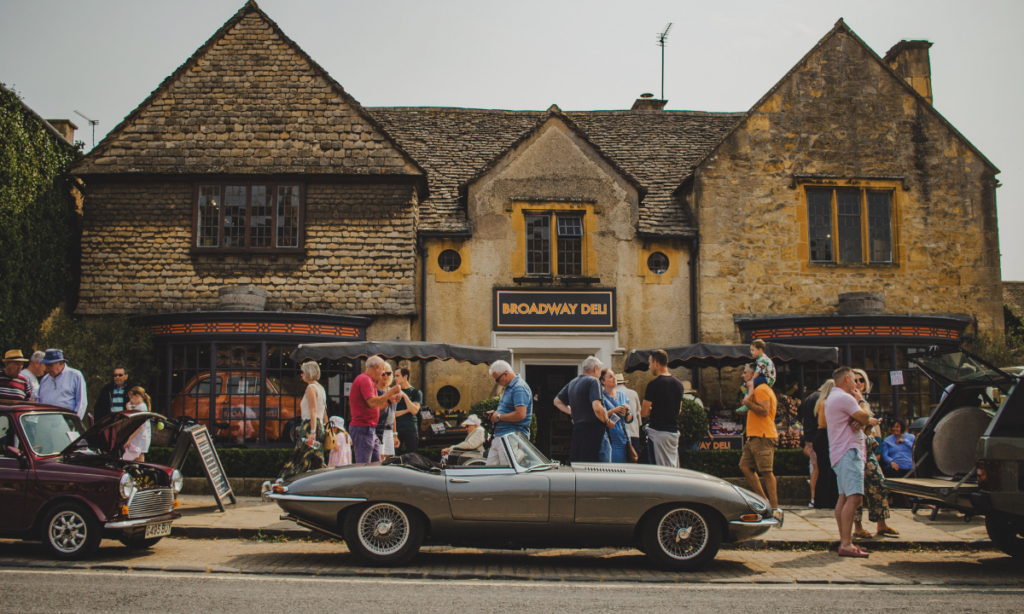
Micro-Injections: The Anatomy of a Weekend Cruise
While international tourists flock strictly to major capital cities, Tourism Research Australia (TRA) data reveals that 30% of tourism-related small businesses operate out in regional ecosystems. Because car clubs deliberately choose winding, scenic country roads to exercise their suspension geometry and engine builds, their final destinations are almost exclusively rural.
| Typical Club Cruise Destination | Factual Economic Beneficiary | Real-World Financial Impact |
| The Mid-Day Regroup | Main Street Bakeries & Cafes | Hundreds of food and beverage transactions within a single two-hour window. |
| The Overnight Layover | Independent Motels & Pubs | Complete booking block-outs during off-peak weekend seasons. |
| The Return Leg | Country Town Fuel Retailers | Massive high-octane premium 98 fuel purchases that keep local bowsers profitable. |
The Verdict
Grassroots car clubs represent a profound community asset. By taking their meticulously built machines out of urban garages and pushing them deep into the heart of rural Australia, local automotive enthusiasts are performing an invaluable civic service. They aren’t just keeping custom car culture alive on local asphalt they are actively keeping small-town main streets in business.