


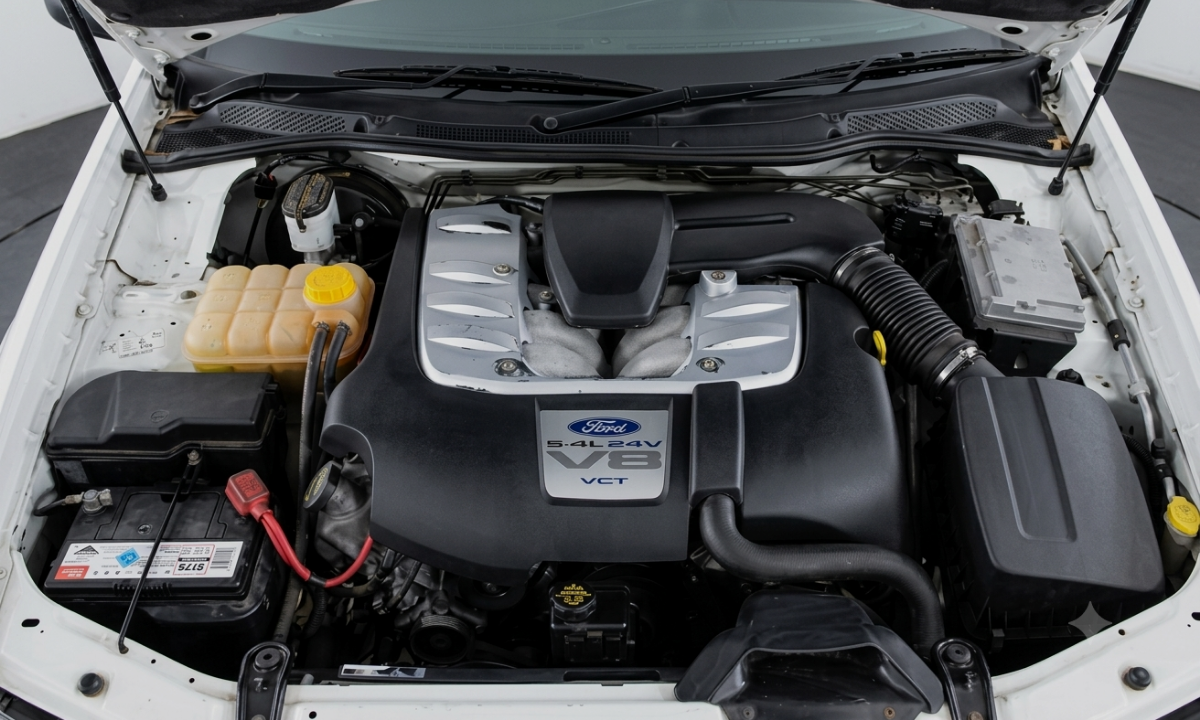

The Australian aftermarket performance landscape has officially evolved past basic bolt-on modifications and junkyard engine swaps. As fields lock in for the competitive 2026 Drag Challenge circuit, the baseline for a truly dominant street-and-strip weapon down under has reached a stratospheric mechanical tier.
We are no longer just talking about cast-iron blocks pushed to their absolute limits. The current modification movement is defined by two explicit pillars: solid billet engine architecture and predictive power-management electronics. Whether you are building a boundary-pushing radial car or an elite street machine, this is the hardware currently rewriting local track records.
1. Billet Blocks: The New Standard for Uncapped Boost
Historically, factory cast blocks from Holden, Ford and Chevrolet provided the foundational bones for local horsepower heroes. But when local tuners began cramming massive physical atmospheres of boost down the intake tracts, physical structural limits were breached.
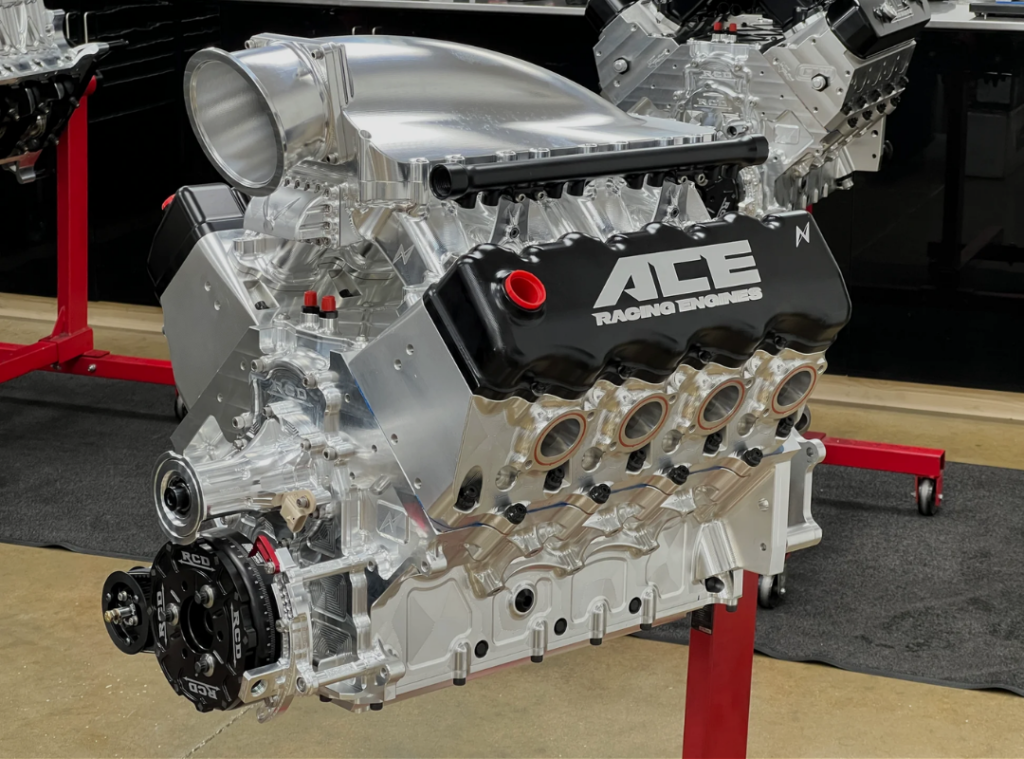
To combat block distortion and main-cap walking under extreme thermal loads, top-tier Australian engine builders have shifted decisively to solid CNC-machined aluminum billet blocks. Engineering firms like Noonan are supplying the local grid with billet LS weapons capable of reliably containing over 3,000 horsepower on the strip.
This structural rigidity eliminates block flex entirely. It allows insane local setups like the legendary 3.8-litre Ford Barra combinations currently campaigning to securely hold upwards of 73psi of boost without splitting cylinders or throwing rods through the oil pan.
2. The Power Management Brain: Haltech Nexus Dominance
Raw physical muscle is completely useless if you cannot translate that torque cleanly into the drag strip or circuit asphalt. That is why mechanical evolution is heavily backed by advanced digital brains, specifically the Aussie-born Haltech Nexus Series.
Modern performance tuning down under has integrated the engine control unit (ECU) with solid-state power distribution modules (PDM). Rather than running heavy, complex webs of legacy fuses and relays, the Nexus R5 ecosystem monitors digital data loops simultaneously to protect high-tier investments:
- Torque Management: Active driveshaft speed sensors communicate with the ECU to instantly pull ignition timing the millisecond tyre slip is detected on an un-prepped surface.
- Engine Protection Protocols: Automatic safety trip-wires instantly kill fuel delivery if oil/fuel pressure drops or lean air-fuel ratios threaten to melt a custom piston setup.
The Verdict
Modifying cars in 2026 is an absolute battle of advanced data and CNC engineering. By stepping up to billet block geometry and wrapping it in a self-monitoring, predictive standalone ecosystem like Haltech, local builders aren’t just making cars faster they are making 3,000-horsepower street monsters genuinely survivable.
To watch this level of extreme engineering put through its absolute paces, check out this comprehensive look inside a 7-Second Barra Powered Tornado Build Breakdown. This video gives an unparalleled look at how high-boost fuel delivery, structural billet arrays and modern standalone ECUs survive back-to-back testing limits.