


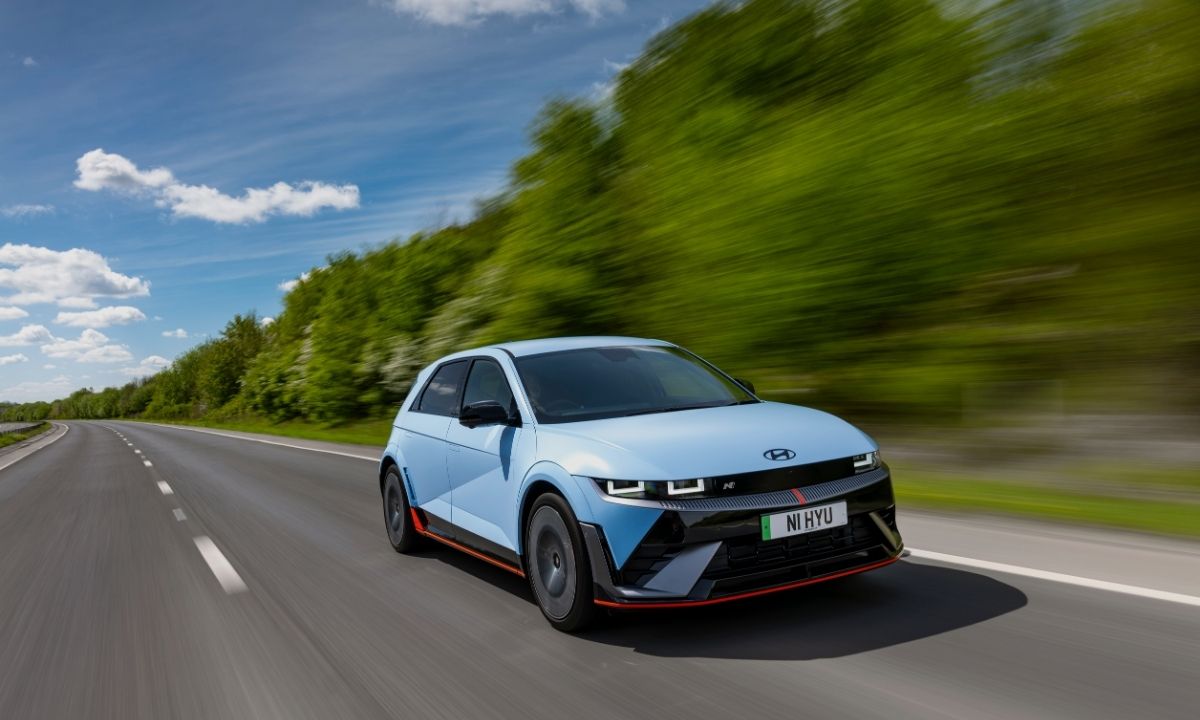

For years, the core argument against electric cars across Australian automotive circles has been completely predictable: they have no soul. Enthusiasts dismissed them as sterile, heavy appliances built for commuting devoid of the mechanical feedback, gearshift drama and acoustic theater that define street racing and track day culture down under.
But a radical shift in powertrain engineering has permanently broken that stereotype. Manufacturers have stopped using electrification merely to maximize eco-efficiency and are instead leveraging high-voltage platforms to build uncompromising track weapons that explicitly target the petrolhead psyche.
The Illusion of Mechanics: Replicating the Shift
The definitive turning point for enthusiast adoption is the introduction of software-coded tactile feedback. The highly acclaimed Hyundai Ioniq 5 N stands as a primary blueprint for this movement, proving that digital coding can perfectly replicate old-school mechanical engagement.
Instead of the seamless, linear acceleration typical of standard EVs, its integrated N e-shift system uses specialized motor-torque modulation to perfectly simulate the aggressive power interruption and physical “kick” of an 8-speed dual-clutch transmission.
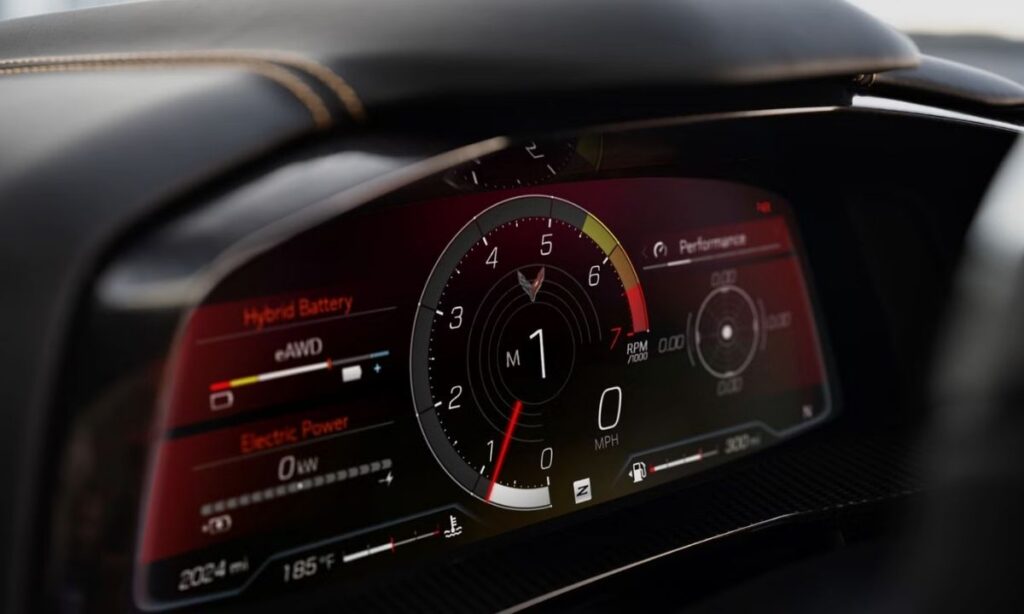
- The Hardware Spec: When you pull the steering-wheel-mounted paddle shifters, the dual electric motors temporarily alter their torque profiles to sync with a digital tachometer displayed on the dash.
- The Acoustic Theater: This physical feedback is matched with interior and exterior speakers blasting synchronized propulsion noises that rev to a simulated 7,800 RPM redline, giving drivers the exact sensory markers needed to execute precise corner entries by ear.
Dynamic Physics: Up to 478kW of Tailored Balance
Beyond simulated dramatics, performance electric vehicles are introducing levels of chassis adjustability that traditional mechanical setups simply cannot match. With a dual-motor configuration pumping out up to 478kW (641 horsepower) in N Grin Boost mode, power distribution can be instantly altered via high-fidelity digital differentials.
Through active Torque Distribution menus, drivers can manually split power anywhere from a perfect 50/50 all-wheel-drive grip layout to a pure 100% rear-wheel-drive bias. Combined with a dedicated electronic drift mode that uses torque kick to instantly break rear traction on a closed skid pan, these machines allow enthusiasts to alter their vehicle’s handling dynamics from a planted time-attack grip car into an aggressive drift weapon at the touch of a button.
The Verdict
The transition to electric cars doesn’t mean the death of Australian car culture. As battery cooling loops and endurance software profiles advance to handle back-to-back hot laps at tracks like Sydney Motorsport Park, the performance EV sector is proving it can match the raw excitement of traditional muscle cars. The tools may be digital, but the smoke, speed and adrenaline remain completely genuine.