



Vehicle safety represents objective measurable parameter not brand preference or subjective opinion. ANCAP (Australasian New Car Assessment Program) provides standardized crash testing and safety ratings guiding Australian buyers toward vehicles offering genuine crash protection and collision avoidance. Understanding 2026 ANCAP protocols, interpreting ratings and evaluating safety technology enables informed vehicle selection.
ANCAP Rating System: What Five Stars Actually Mean
ANCAP tests vehicles using standardized crash scenarios and safety metrics. A five-star rating doesn’t indicate perfection rather, it represents superior performance against stringent testing protocols.
2026 ANCAP Test Protocols:
– Adult Occupant Protection: Frontal crash (100km/h barrier), side crash (50km/h pole impact), rear crash, roll-over testing
– Child Occupant Protection: Child dummy testing with various restraint systems
– Vulnerable Road User Protection: Pedestrian/cyclist impact protection (bonnet, headform impact zones)
– Safety Assist: Autonomous Emergency Braking (AEB) evaluation, seat belt reminders, electronic stability control
Five-Star Interpretation: Vehicle demonstrates excellent protection across all test categories, superior to baseline safety standards.
Four-Star Interpretation: Solid protection, minor deficiencies in specific test categories.
Three-Star and Below: Acceptable minimum standards but notable protection gaps.
2026 ANCAP Five-Star Vehicles
Sedan/Hatchback Segment:
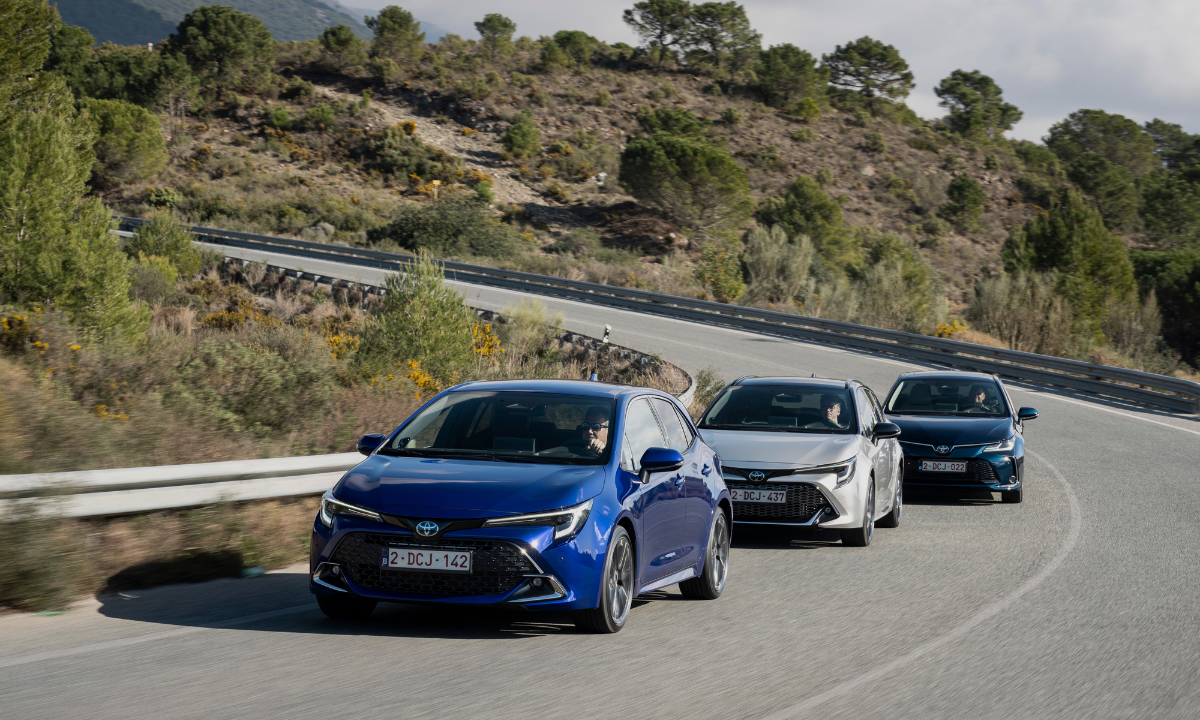
– Toyota Corolla (2024+): 5 stars (adult 88%, child 86%, vulnerable road users 80%, safety assist 90%)
– Hyundai i30 N (2024+): 5 stars (balanced protection across categories)
– BMW 3-Series (2023+): 5 stars (premium protection features standard)
SUV Segment:
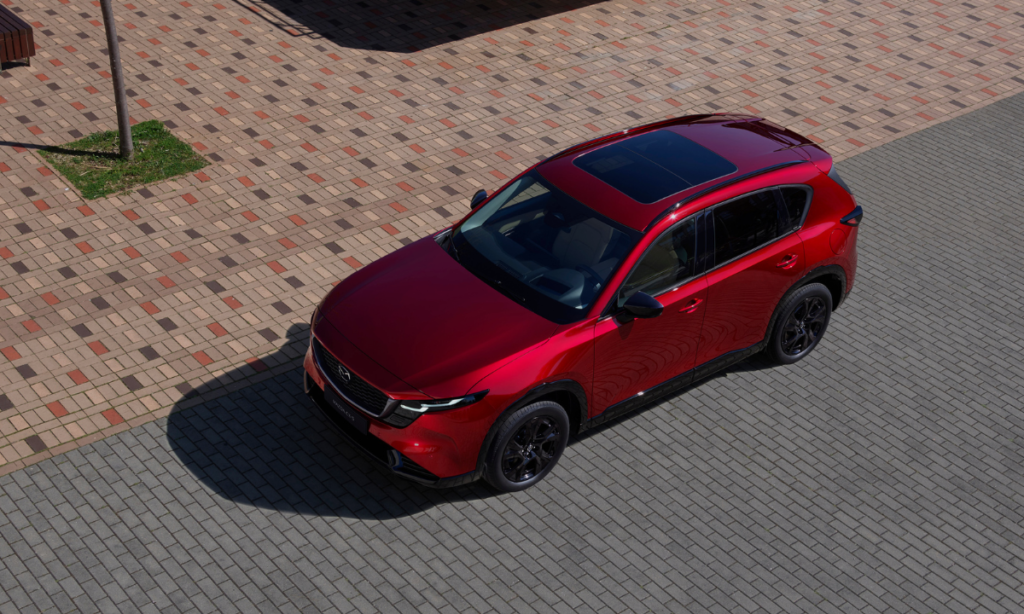
– Mazda CX-5 (2023+): 5 stars (adult 89%, child 87%, safety assist 89%)
– Kia Niro (2023+): 5 stars (hybrid platform delivers excellent crashworthiness)
– Hyundai Santa Fe (2024+): 5 stars (three-row SUV with comprehensive safety)
Electric Vehicle Segment:
– Tesla Model 3 (2021+): 5 stars (among highest-scoring vehicles ever tested)
– BMW i4 (2024+): 5 stars (EV safety technology integration excellent)
– Hyundai Ioniq 6 (2024+): 5 stars (sedan EV platform delivers solid protection)
Safety Technology: The Modern Differentiator
Modern safety extends beyond crash protection to collision avoidance. ANCAP’s Safety Assist category increasingly weights technology like Autonomous Emergency Braking (AEB).
Autonomous Emergency Braking (AEB):
AEB represents single most effective modern safety technology, reducing frontal collision impact severity or preventing collision entirely through automatic braking.
2026 AEB Performance:
– High performance (90-95% effectiveness): Tesla, BMW, Mercedes systems
– Good performance (80-90% effectiveness): Toyota, Hyundai, Mazda systems
– Acceptable performance (70-80% effectiveness): Emerging-brand systems
AEB effectiveness varies based on:
– Detection system sophistication (radar vs. camera vs. hybrid)
– Processing speed
– Brake force delivery capability
– Target recognition accuracy
Price Impact: AEB systems add $500-$2,000 to vehicle cost. Budget vehicles increasingly integrate AEB as standard, democratizing technology access.
Other Safety Technologies:
*Lane Departure Warning:* Alerts driver if vehicle unintentionally drifts from lane
*Adaptive Cruise Control:* Maintains distance from vehicles ahead automatically
*Blind Spot Detection:* Alerts driver of vehicles in blind spots
*Rear Cross-Traffic Alert:* Warns of vehicles approaching from rear while reversing
*Electronic Stability Control:* Corrects skids and loss-of-control situations
Technology redundancy enhances safety multiple systems provide multiple intervention opportunities preventing collisions.
Child Safety: Critical Evaluation
ANCAP child safety testing employs dummies of varying sizes (3-year-old equivalent, 6-year-old equivalent, 10-year-old equivalent) assessing crash protection across childhood development.
2026 Leaders – Child Protection:
– Tesla Model 3/Y: Exceptional protection (89-92% scores)
– BMW i4/3-Series: Comprehensive child systems
– Toyota Corolla/Camry: Reliable child protection (85-88%)
Considerations:
Child protection ratings depend partly on vehicle design accommodating proper child seat installation. Vehicles with ISOFIX anchor points and adequate rear seat space score higher.
Practical Advice:
– Ensure compatible child seats for vehicle
– Properly install seats (many installations performed incorrectly)
– Transition children to booster seats and seat belts following developmental guidelines
– Never place rear-facing seats in front seat with airbags active
Pedestrian and Cyclist Protection
Modern vehicles increasingly impact pedestrian/cyclist safety through:
Active Bonnet Systems: Bonnet panel elevates upon impact protecting pedestrian/cyclist heads.
Pedestrian AEB: Detects pedestrians/cyclists in front of vehicle, implements emergency braking.
Visual Design: Reduced blind spots through camera systems and advanced visibility design.
2026 Leaders – Vulnerable Road User Protection:
– Tesla Model Y: 86-89% score (advanced sensor suite)
– BMW X3/X5: 84-87% scores
– Hyundai Ioniq 5: 82-85% score
Rating Skepticism: Valid Considerations
ANCAP ratings, while valuable, possess limitations:
Test Scenario Limitations: ANCAP tests specific crash configurations. Real-world crashes involve variable angles, speeds and impact types. Testing scenarios don’t capture every possible collision scenario.
Technology Failure Scenarios: AEB and safety systems assume proper functioning. Malfunctioning sensors or calibration issues reduce effectiveness.
Driver Behavior: No safety technology substitutes for attentive driving. Autonomous Emergency Braking cannot prevent collisions driver skill prevents.
Depreciation vs. Safety: Five-star vehicles may carry premium pricing. Four-star vehicles still provide substantial protection.
Making Safety Selections
Priority Approach:
1. Select vehicle category meeting practical needs
2. Identify 5-star ANCAP options within budget
3. Evaluate specific safety technologies (AEB quality, blind spot coverage)
4. Test drive confirming visibility and control
5. Verify insurance pricing (5-star vehicles sometimes achieve insurance discounts)
Budget Constraints:
Four-star vehicles deliver respectable protection. Don’t sacrifice vehicle category fit pursuing marginal safety improvements.
The Verdict
ANCAP ratings provide objective safety assessment guiding vehicle selection. Five-star vehicles demonstrate superior crash protection and modern safety technology integration. However, ratings represent snapshots of tested specifications they don’t guarantee real-world collision avoidance or capture every scenario. The safest vehicle remains one operated attentively by competent drivers. Technology and engineering enhance safety; they don’t replace responsibility. Select ANCAP five-star vehicles when feasible, prioritize Autonomous Emergency Braking, ensure child seat proper installation and drive defensively. That combination engineering excellence plus driver discipline maximizes safety.