


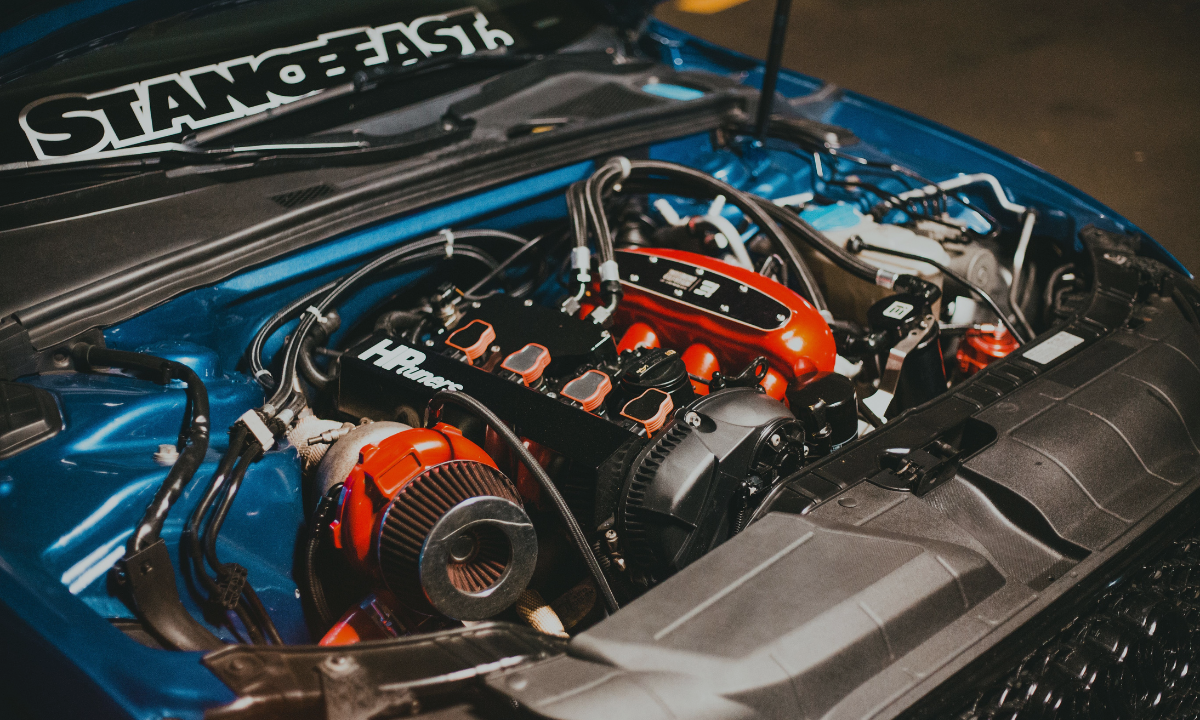

Performance modification culture thrives in Australia, with enthusiasts pursuing power increases through various strategies. However, 2026’s stricter compliance requirements demand comprehensive understanding of legal pathways, technical considerations, and realistic cost expectations before undertaking modifications.
Turbocharging Fundamentals
Turbocharging provides most reliable power increase, using exhaust gas energy spinning compressor turbine forcing additional air into engine. Results are dramatic typically 30-50% power increase achievable on naturally-aspirated engines.
Typical setup costs:
– Complete turbo kit (including manifold, intercooler, piping): $3,000-$8,000
– Installation labor: $2,000-$4,000 (professional shops)
– Supporting modifications (fuel system, cooling): $1,000-$3,000
– Engine building (if engine internals upgraded): $3,000-$8,000
– Total investment: $9,000-$23,000+
Dyno testing requirement (2026): Exceeding 15% power increase mandates certified dyno testing proving compliance. Testing costs $200-$400 and requires certified facility.
Supercharging Alternative
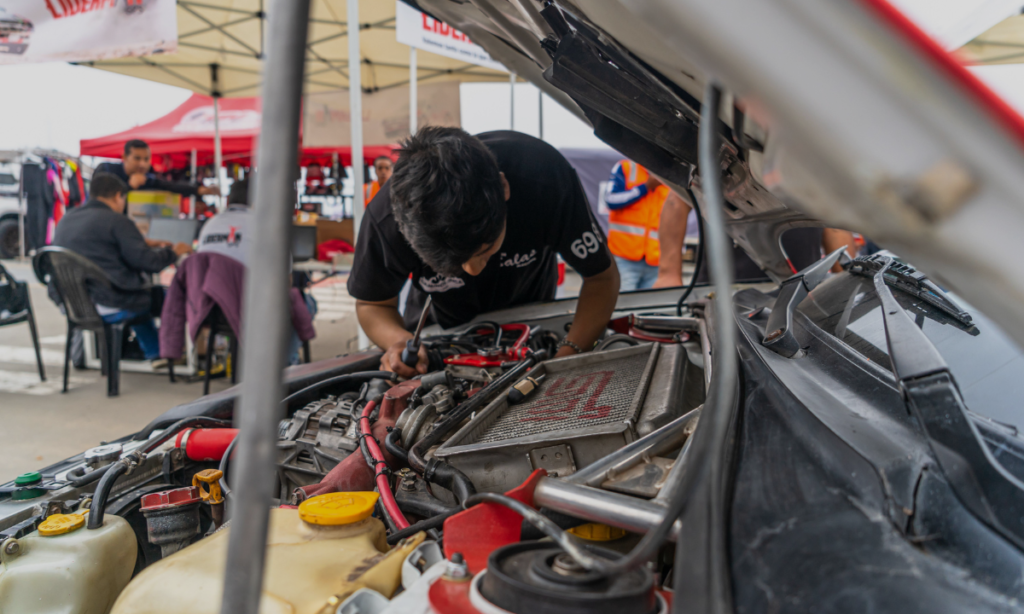
Supercharging (belt-driven compressor) offers alternative performance strategy:
Advantages over turbocharging:
– No turbo lag (immediate boost available)
– Simpler packaging (narrower installation)
– Lower temperatures (less stress on engine internals)
– More linear power delivery
Disadvantages:
– Mechanical drag reducing efficiency slightly
– More complex belt-drive systems
– Limited availability (fewer manufacturers producing supercharger kits)
– Higher installation cost ($4,000-$10,000 kits)
ECU Tuning Strategy
ECU (Engine Control Unit) tuning optimizes fuel injection, ignition timing, and boost control, extracting additional power from standard engine.
Benefits:
– Modest power increase (10-25% typical)
– Improved throttle response
– Enhanced fuel economy potential
– Relatively affordable ($1,500-$3,000)
Limitations:
– Minimal power increase compared to forced induction
– Cannot overcome fundamental engine limitation
– Risk of engine stress exceeding manufacturer specifications
– May void manufacturer warranty
Professional tuners use dynamometers adjusting calibration, monitoring engine parameters in real-time.
Suspension Performance Upgrades
Modern suspension modifications improve handling through reduced compliance and lower center of gravity.
Common upgrades:
– Lower springs/coilovers: $800-$2,500 reducing ride height, improving aesthetics and handling
– Sway bar upgrades: $400-$1,200 reducing body roll in corners
– Strut bracing: $200-$600 increasing chassis rigidity
– Polyurethane bushings: $300-$800 replacing worn rubber components
Engineering requirement (2026): Suspension changes exceeding factory geometry require engineer certification and documentation.
Brake System Upgrades
Upgraded brake systems enhance stopping power and heat dissipation.
Common modifications:
– Larger rotors: $600-$1,500 improving heat capacity
– Performance pads: $300-$800 providing higher friction
– Braided hoses: $200-$500 improving pedal feel
– Bigger calipers: $1,000-$2,500 increasing clamp force
Engineering requirement (2026): Modifications affecting braking performance require testing and certification. Safety-critical importance mandates professional specification.
Exhaust System Performance
Performance exhausts reduce backpressure improving horsepower while providing aggressive sound.
Options and costs:
– Cat-back systems ($600-$1,500): Everything after catalytic converter
– Full systems with headers ($2,000-$5,000): Complete manifold-to-tailpipe replacement
– Headers alone ($1,000-$2,500): Maximize flow efficiency
Compliance consideration: Noise limits (typically 85-92 dB depending on state) must be respected. Professional exhausts designed with compliance.
Engine Building and Internal Upgrades
Serious performance seekers modify internal engine components:
Typical upgrades:
– Pistons ($800-$2,000): Higher compression ratios
– Connecting rods ($1,000-$3,000): Stronger construction handling elevated boost
– Camshafts ($600-$1,500): Modified valve timing profiles
– Valve springs and lifters ($600-$1,200): Support modified cam timing
– Complete engine rebuild ($4,000-$12,000): Professional machine shop work
Professional shop necessity: Modern engines demand precision requiring professional shops. DIY engine building risks catastrophic failure.
Realistic Performance Expectations
Natural progression:
1. ECU tuning (10-25% power): Most accessible starting point ($1,500-$3,000)
2. Exhaust/intake modifications (5-15% power): Incremental improvements ($2,000-$4,000)
3. Turbocharging (30-50% power): Dramatic increase ($10,000-$20,000)
4. Engine internals (additional 10-20% power): Supporting turbo performance ($5,000-$10,000)
Realistic timeline: Serious build typically spans 12-24 months accounting for planning, engineering, fabrication, testing, and compliance.
Modification Hierarchy and Complexity
Beginner modifications (relatively simple):
– Intake and exhaust upgrades
– ECU tuning
– Suspension geometry changes
Intermediate modifications (technical knowledge required):
– Forced induction installation
– Brake system upgrades
– Cooling system modifications
Advanced modifications (professional expertise essential):
– Engine internal modifications
– Custom fabrication work
– Complete drivetrain rebuilds
Compliance and Documentation
2026 requirements non-negotiable:
– Pre-modification engineering assessment ($300-$800)
– Dyno testing if exceeding 15% power increase ($200-$400)
– Post-modification inspection and engineering certification ($400-$800)
– Registration amendment within 30 days
– Complete documentation retention for resale and warranty protection
Enforcement reality: Roadside detection equipment identifies non-compliant modifications. Unapproved work results in $500-$3,500 fines plus registration issues.
The Verdict
Performance modification culture thrives in Australia, but 2026’s regulatory environment demands comprehensive planning, professional expertise, and meticulous compliance documentation. Start with accessible modifications (ECU tuning, exhaust), progress toward forced induction, and support with internal engine work. Budget realistic $10,000-$25,000+ for genuine performance increases. Use certified facilities and maintain complete documentation. Done properly, modification delivers rewarding performance; done carelessly, consequences are serious.
—
Modification Cost Summary
– ECU tuning: $1,500-$3,000 (10-25% power)
– Exhaust/intake: $2,000-$4,000 (5-15% power)
– Turbocharging system: $9,000-$23,000 (30-50% power)
– Supercharging: $12,000-$20,000 (25-40% power)
– Engine internals: $5,000-$12,000 (additional 10-20% power)
– Total comprehensive build: $15,000-$35,000+
The Verdict
Performance modification remains rewarding pursuit when done properly. Plan methodically, budget realistically, engage professionals, and maintain rigorous compliance documentation. Modern regulatory environment demands expertise and documentation days of casual backyard modification have passed.