



2026 marks unprecedented new vehicle releases. Over 150 models or variants arrive locally, with electric vehicles, hybrid options, and refreshed platforms creating competitive pressure across all segments. Here’s the essential guide to this year’s major releases.
Q1 2026 Releases (January-March)
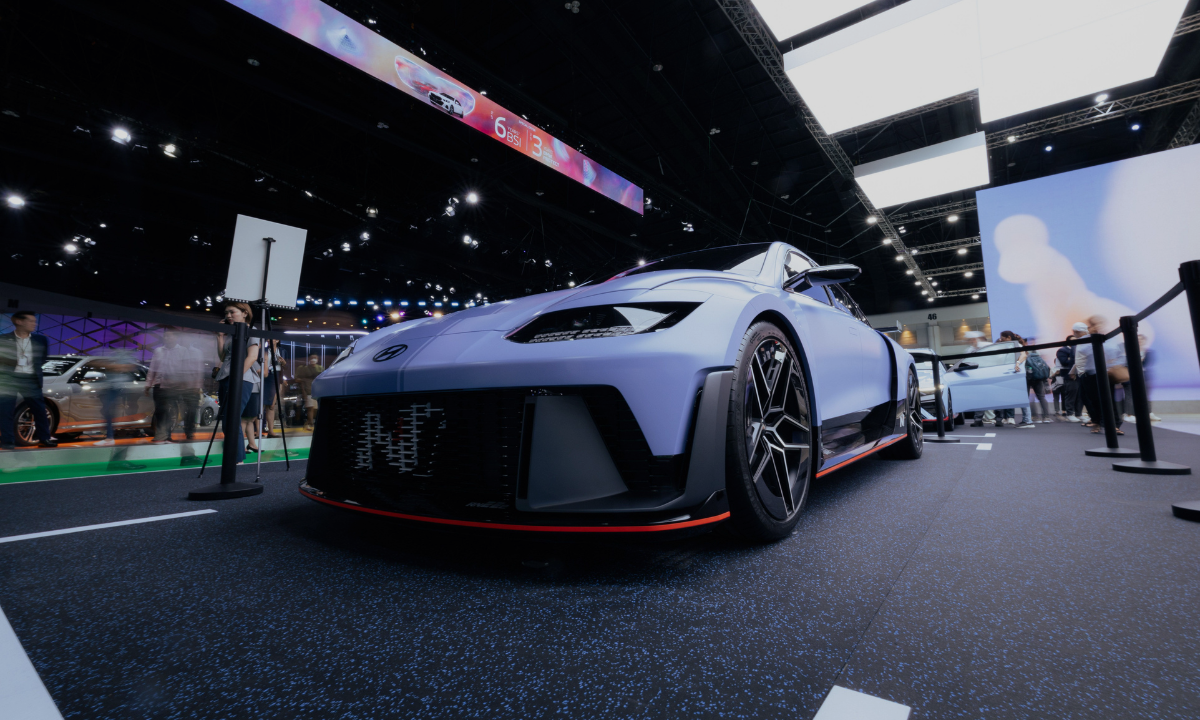
Hyundai Elexio launches in Q1, filling critical gap in Hyundai’s EV lineup. The 27-inch digital display and 500km+ range target mainstream buyers transitioning from petrol vehicles. Pricing around $45,000-$55,000 AUD positions it directly against BYD and Tesla Model 3.
Kia Tasman (single-cab ute) arrives Q1 2026, offering affordable alternative to conventional dual-cab designs. Targeting value-conscious ute buyers, it provides modern features without premium Hilux pricing.
Aston Martin Valhalla (limited quantities) begins Australian deliveries. Production limited to 999 vehicles globally, with only 20-30 reaching Australia. Starting around $1.4 million AUD, it appeals to ultra-wealthy enthusiasts.
Q2 2026 Releases (April-June)
Toyota HiLux (petrol, hybrid, and electric) represents pivotal new generation. Electric variant ($90,000-$100,000) arrives mid-year, offering genuinely practical zero-emission ute option. Hybrid improves fuel economy substantially compared to traditional engines.
BMW iX3 heralds ‘Neue Klasse’ family BMW’s complete EV overhaul. Purpose-built electric vehicle (rather than adapted petrol platform) represents BMW’s electrification future. Deliveries begin mid-2026 at approximately $80,000-$100,000 AUD.
Q3 2026 Releases (July-September)
Toyota RAV4 receives complete redesign with generation shift. Hybrid-forward strategy makes hybrid default preference rather than premium option. New platform improves efficiency and handling dynamics.
Mazda CX-5 redesign brings fresh styling and improved technology. Competitive positioning against RAV4 means pricing remains aggressive ($50,000-$70,000 range).
Nissan Qashqai updates continue evolution of this popular small SUV platform. Refined engines and modernized cabin technology maintain competitive positioning.
Q4 2026 Releases (October-December)
Kia Seltos (second-generation) launches with hybrid-only powertrain strategy. Q4 2026 timing allows full-year pre-sales momentum building.
BYD Model Updates continue expansion. M9 people-mover and Ti7 SUV represent new segments, expanding beyond existing portfolio.
Various luxury updates: Traditional manufacturers release refreshed models preparing for next-generation launches.
Electric Vehicle Momentum
The EV market acceleration continues with 50+ new models or variants arriving. Key players include:
– Toyota: HiLux EV (ute segment)
– BMW: iX3 (premium compact SUV)
– Hyundai: Elexio (mass-market SUV)
– BYD: Expanding across multiple segments
– Tesla: Maintaining benchmark positioning
Hybrid Strategy Expansion
Hybrid options proliferate as manufacturers navigate emissions compliance. Toyota leads this strategy with RAV4 Hybrid standard offering, but Kia (Seltos hybrid-only), Nissan, and others follow similar paths.
Hybrid positioning reflects manufacturer calculation: EVs satisfy regulations while hybrid hedges against buyer hesitation regarding range, charging infrastructure, and battery reliability.
Import and Specialty Arrivals
Performance vehicles: Ford Mustang GT, Nissan Z, Toyota GR86 updates continue attracting enthusiasts with affordable performance.
Luxury supercars: Lamborghini Revuelto, Ferrari hybrid V12s, Porsche evolutions introduce next-generation performance technology.
Commercial vehicles: Updated ute lineups address Australia’s commercial sector needs.
Market Impact
New arrivals reshape market dynamics:
– EV penetration increases: More affordable options reduce entry barriers
– Hybrid middle-ground strengthens: Practical compromise between EV and petrol
– Traditional petrol declining: Fewer petrol-only options as manufacturers transition
– Technology standardization: Advanced driver assistance, connectivity become baseline
– Pricing pressures: Competition prevents significant price increases despite supply easing
Practical Buyer Implications
Timing considerations: Waiting for new models makes sense in competitive segments (SUVs particularly). Arriving models offer latest technology and efficiency.
Availability variability: Popular models face allocation limits despite supply improvements. Early booking remains strategic for desired configurations.
Pricing stability: Elevated pricing persists despite supply easing. Negotiation leverage remains limited in most segments.
Technology advantages: New models feature superior technology (infotainment, driver assistance, connectivity) compared to outgoing variants.
The Verdict
2026 releases represent industry transformation milestone. Electric vehicles transition from emerging alternative to mainstream option. Hybrid platforms proliferate as practical middle-ground. Technology integration accelerates. For buyers considering purchase, this year’s arrivals provide exceptional choice. Early booking recommended for popular configurations, particularly EVs and hybrid variants facing allocation pressure.
Q-by-Q Release Timeline
– Q1 (Jan-Mar): Hyundai Elexio, Kia Tasman, Aston Martin Valhalla limited arrivals
– Q2 (Apr-Jun): Toyota HiLux (all powertrains), BMW iX3
– Q3 (Jul-Sep): Toyota RAV4, Mazda CX-5, Nissan Qashqai refreshes
– Q4 (Oct-Dec): Kia Seltos gen2, BYD expansions, luxury updates
– Throughout year: 150+ new models or significant variants
The Verdict
2026’s unprecedented new release calendar offers genuine choice while marking industry’s EV and hybrid transition. Plan accordingly and consider booking early for competitive segments where allocation pressure continues.