



Modifying your car in Australia requires navigating complex regulations that vary by state and modification type. As of 2026, enforcement has intensified significantly, with new power-output limits and stricter compliance requirements. Understanding what’s legal and what will land you in legal trouble is essential before undertaking any modification.
The Legal Foundation: Australian Design Rules
All vehicle modifications must comply with Australian Design Rules (ADRs) national safety, emissions, and anti-theft standards established by the Department of Infrastructure. These rules apply uniformly across Australia, though states interpret and enforce them with varying rigor.
From July 1, 2026, new compliance requirements introduced performance limits and mandatory documentation. Any modification increasing power output by more than 15% requires documented certification and dyno testing. This regulation fundamentally changed the modification landscape for performance-focused builders.
What Modifications Are Generally Legal
Minor modifications affecting appearance or functionality without structural or safety system changes are typically legal without engineering certification:
Legal without certification:
– Exterior cosmetics (spoilers, side skirts, wheel arch extensions if factory-style)
– Window tinting (subject to state limits typically 70% front side windows, 50% rear and back)
– Alloy wheel replacements matching factory load specifications
– Exhaust systems that maintain noise levels below state limits (typically 85-92 dB at 50km/h depending on engine size)
– Suspension geometry changes within original factory parameters
– Interior modifications not affecting safety systems (seats, trim, gauges)
Legal with documentation:
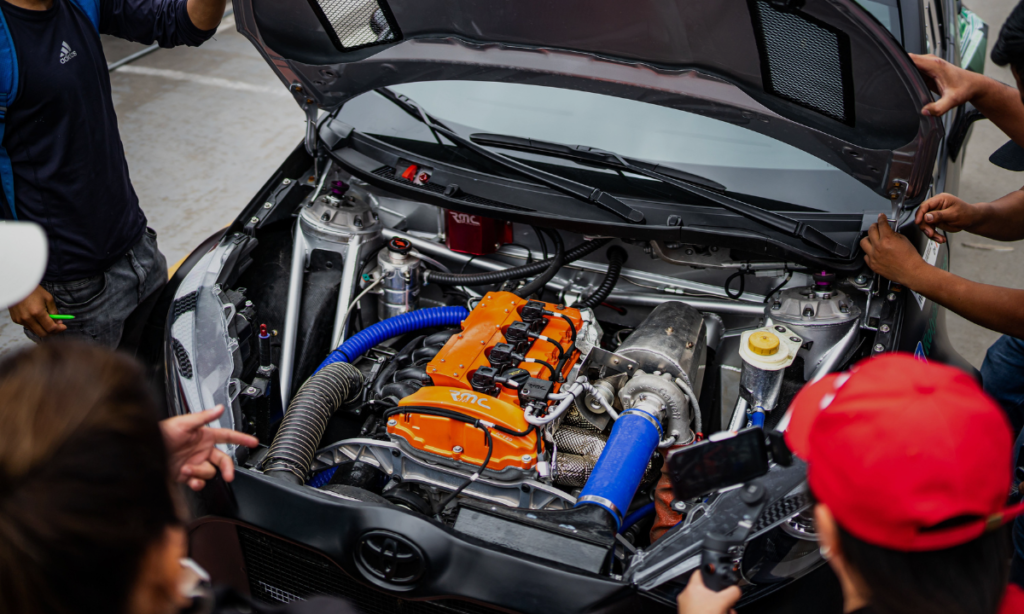
– Turbocharger installations (require engineer’s certification and dyno testing if exceeding 15% power increase)
– Engine modifications (required certified documentation from completion)
– Suspension geometry changes exceeding factory parameters (require engineer’s report)
– Brake system upgrades (require certification only if altering pedal ratios or brake balance)
– Structural modifications (roll cages, chassis bracing)
The Engineering Certification Process
Undertaking modifications requiring certification involves specific steps:
Step 1: Pre-modification engineering assessment. Consult a certified engineer before beginning work. They’ll assess your proposed changes against ADRs, identify compliance requirements, and provide written approval documentation. Costs range $300-$800 depending on modification complexity.
Step 2: Complete modifications. Undertake work through authorized modification specialists where possible their expertise reduces compliance risks.
Step 3: Post-modification inspection and testing. For performance modifications, submit the vehicle to authorized dyno testing facilities ($200-$400). Results must demonstrate compliance with power-output limits.
Step 4: Obtain engineer’s certificate. Your engineer reviews test results and inspection findings, issuing formal compliance certificate ($400-$800).
Step 5: Registration amendment. Submit documentation to your state’s transport authority (RMS in NSW, VicRoads in Victoria, etc.) within 30 days of modification completion. Include engineering certificate and inspection report.
Processing fees: $80-$150 depending on state and modification type.
State-Specific Variations
While ADRs provide national baseline, states enforce variations:
NSW (RMS): Strictest enforcement. Modifications affecting steering, braking, or structural integrity require engineering certification. Unregistered modifications result in vehicle seizure if detected. Fines reach $3,300.
Victoria (VicRoads): Similar NSW standards but slightly more lenient on cosmetic modifications. Compliance inspector roadside testing is common. Fines up to $3,000.
Queensland (TMR): Generally more permissive toward modifications but requires documentation for performance changes. Enforcement varies regionally.
South Australia: Moderate enforcement with emphasis on safety modifications. Engineering certification required for brake, steering, or suspension changes.
Western Australia: Growing enforcement focus on performance modifications. Recent 2026 updates align with national 15% power-output rule.
Common Mistakes That Create Legal Problems
Undocumented modifications: The single largest legal risk. Modifications without engineering certification face penalties from $500 fines to vehicle impoundment. Resale complications become permanent buyers verify compliance documentation.
Exceeding power-output limits: The 15% rule is absolute. Dyno testing proving higher power increase results in non-compliance certification. Vehicle registration becomes impossible.
Non-approved modification facilities: Only certified modification specialists can issue compliance documentation. Backyard work, regardless of quality, cannot legally be certified.
Noise violations: Aftermarket exhausts producing sound levels exceeding state limits (typically 85-92 dB measured at specific test points) fail compliance regardless of appearance or performance legitimacy.
Electrical system modifications: Altering factory electrical architecture (particularly safety systems like airbags, ABS, traction control) frequently creates compliance issues. Specialist knowledge is essential.
Penalties and Enforcement
Penalties have intensified notably since 2026:
– Unapproved modifications detected: $500-$1,500 fine plus immediate inspection order
– Safety system tampering: $2,000-$5,000 fine plus potential vehicle impoundment
– Structural modification non-compliance: $1,500-$3,500 fine
– Noise violations (repeat offenses): $750-$2,000 fine per incident
– Vehicle seizure: Possible for serious safety violations or high-value performance non-compliance
Enforcement has intensified. Modern roadside detection equipment can identify suspension geometry changes, and officers increasingly request documentation during traffic stops. Insurance implications are severe undocumented modifications typically void coverage for accidents.
Smart Modification Strategy
Plan for compliance from project outset. Engage a certified engineer before purchasing parts or beginning work. This investment ($300-$800) prevents expensive rework.
Use approved modification specialists. Their expertise, documentation practices, and supplier relationships ensure compliance.
Prioritize safety: Modifications affecting braking, steering, and structural integrity carry highest legal risk and deserve professional engineering.
Document everything. Maintain receipts, engineering reports, dyno printouts, and compliance certificates for resale value and legal protection.
Research state specifics. If relocating, confirm your modifications remain compliant in the new state. Some modifications legal in Queensland face problems in NSW.
The Verdict
Australia’s 2026 modification landscape demands professional expertise and thorough compliance documentation. The 15% power-output rule represents the critical threshold respect it rigorously. Use certified engineers, approved modification specialists, and documented processes. The modest investment in proper engineering and certification prevents catastrophic legal consequences, protects resale value, and ensures insurance coverage. Modification is legal and rewarding when done properly; the days of casual backyard modifications have definitively passed.
—
Key Compliance Figures (2026)
– Power-output limit requiring certification: More than 15% increase
– Engineer assessment cost: $300-$800
– Dyno testing cost: $200-$400
– Engineer certification cost: $400-$800
– Registration amendment fee: $80-$150
– Typical compliance fines: $500-$3,500
– Vehicle seizure risk: Possible for serious non-compliance
The Verdict
Modified cars remain legal in Australia, but 2026 compliance requirements are stringent and rigorously enforced. Engineer certification, dyno testing, and proper documentation are non-negotiable for performance modifications. Plan compliance from project inception, use approved specialists, and maintain meticulous records. Done properly, modification is rewarding; done casually, consequences are serious.