


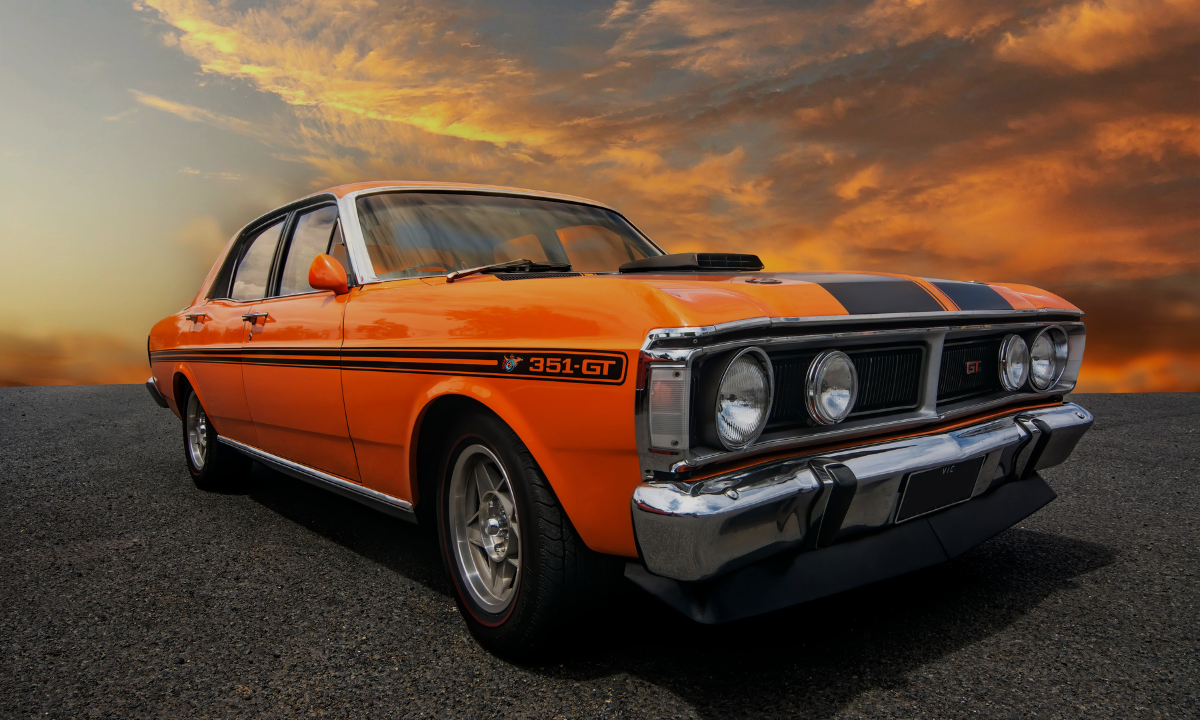

The Holden FE (1956–1960)
Holden’s FE represented Australia’s automotive coming-of-age. The first locally-designed and manufactured Australian car, the FE declared that Australia could produce world-class vehicles without importing foreign models.
The FE’s arrival sparked pride Australian engineering, Australian design, Australian manufacturing. Working-class families owned Holdens; they were attainable, practical, reliable. The FE wasn’t exotic but profoundly Australian.
Cultural significance: The FE proved Australia capable of automotive innovation. It wasn’t aspirational transport for the wealthy; it was the family vehicle for ordinary Australians, reflecting democratic values and accessibility.
Surviving FE Holdens now represent significant collector cars ($40,000–$100,000+ for restored examples), not for rarity but for cultural meaning. Owners treasure FEs as symbols of Australian manufacturing heritage.
The Ford Falcon XB (1972–1976)
Ford’s XB Falcon represented peak Australian muscle car engineering. The XB dominated street racing, competed at Bathurst and defined Australian performance culture through the 1970s.
The XB Falcon GT featured a 5.8-litre V8, 355 horsepower and styling aggressive even by muscle car standards. It was Australia’s answer to American muscle cars locally designed, locally manufactured, unapologetically powerful.
Cultural significance: The XB Falcon represented Australian independence and performance innovation. While American muscle cars dominated globally, Australia produced equivalent performance from indigenous design. The XB declared: “We don’t need American cars; we make our own.”
The GT variant became Australian racing royalty, winning Bathurst, dominating club racing and establishing street racing credibility that persists today.
Modern XB Falcons command $50,000–$150,000+ depending on condition and history, reflecting cultural reverence exceeding market utility.
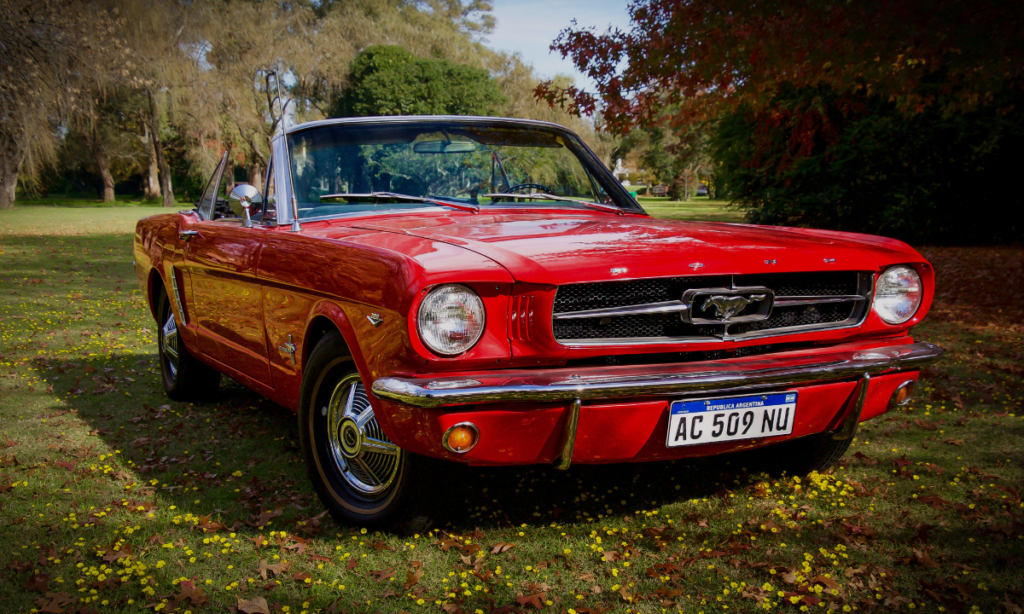
The HR Holden (1966–1968)
The HR Holden represented Australian luxury aspirations accessible performance and style for middle-class families. The HR’s distinctive fastback design, performance options and modernity positioned Holden as innovative and forward-thinking.
The HR GTS featured a 4.2-litre V8 (later 5.0-litre), establishing Holden as performance manufacturer. The HR GTS competed at Bathurst, won races and proved Australia could produce competitive performance vehicles.
Cultural significance: The HR represented Australian achievement and accessibility. It wasn’t exclusive ordinary families could own performance, style and innovation. This democracy of motorsport access defined Australian cultural values.
The HR’s design influenced global automotive thinking. Fastback styling that would dominate 1960s design globally was pioneered in Australia.
Surviving HRs are increasingly sought ($40,000–$100,000+), valued as design and performance icons.
The FE Holden V8 (1970–1971)
The FE’s inclusion of a 5.0-litre V8 created unexpected performance from an economy car platform. Holden hadn’t intended the FE to be a muscle car; it was a family vehicle with optional V8 power.
Yet the combination affordable platform + powerful engine created an Australian muscle car inadvertently. FE V8 owners discovered they could outperform intentionally-designed performance cars. Street racing legends were built on FE V8 Holdens.
Cultural significance: The FE V8 represented Australian ingenuity and scrappy innovation. It wasn’t engineered as a performance vehicle but became one through clever packaging and accessible power. It reflected Australian “give-it-a-go” mentality making something work through clever thinking rather than expensive engineering.
FE V8 Holdens appreciate significantly; collectors value them as accessible performance history.
The LC Torana (1974–1979)
The LC Torana GT was Holden’s sporty compact car smaller than Falcons/Holdens but with genuine performance through light weight and efficient V8 or six-cylinder engines.
The Torana represented efficiency and style without excessive bulk. It was accessible performance for young buyers and first-time owners. Torana ownership became a rite of passage for Australian young drivers.
Cultural significance: The Torana democratised performance. You didn’t need a big V8 or luxury budget; a compact, efficient sports car delivered genuine excitement and performance. It remains the vehicle most Australian drivers remember from youth fast, accessible, affordable.
Modern LC Torana values have appreciated dramatically ($30,000–$80,000+) as millennials nostalgically seek their first cars.
The Holden Monaro CV8 (2001–2005)
The Monaro CV8 represented the final chapter of Australian performance manufacturing a direct successor to HR/HG heritage featuring a 6.0-litre V8 producing 350 horsepower.
The Monaro CV8 was uncompromising: raw power, minimal luxury, pure performance. It represented Australian engineering’s final statement before market shifts ended local performance manufacture.
Cultural significance: The Monaro CV8 was bittersweet celebrated as the last true Australian muscle car but mourned as its production represented the end of an era. Its limited production (approximately 10,000 globally, fewer in Australia) made it immediately collectible.
Modern Monaro CV8 values have exploded ($50,000–$120,000+). Owners recognise it as the final expression of Australian automotive independence before manufacturing consolidated globally.
The Verdict
Australian automotive culture isn’t defined by exotic supercars or luxury vehicles. It’s defined by accessible performance, ingenious engineering and democratic values anyone, regardless of wealth, could own a powerful, stylish Australian car.
The FE, XB Falcon, HR, Torana and Monaro represent different eras but share common DNA: Australian innovation, performance accessibility and cultural pride in local manufacturing.
These vehicles are more than transportation. They’re narrative stories of Australian ambition, engineering capability and automotive culture that defined generations.
Today, preserving these icons preserves Australian automotive heritage and the values they represented.
Iconic Australian Vehicles: Quick Reference
| Vehicle | Years | Cultural Role | Current Value |
| Holden FE | 1956–1960 | First Australian car | $40,000–$100,000+ |
| HR Holden | 1966–1968 | Luxury and performance | $40,000–$100,000+ |
| Ford Falcon XB GT | 1972–1976 | Muscle car icon | $50,000–$150,000+ |
| LC Torana GT | 1974–1979 | Accessible performance | $30,000–$80,000+ |
| Holden Monaro CV8 | 2001–2005 | Final Australian muscle | $50,000–$120,000+ |