


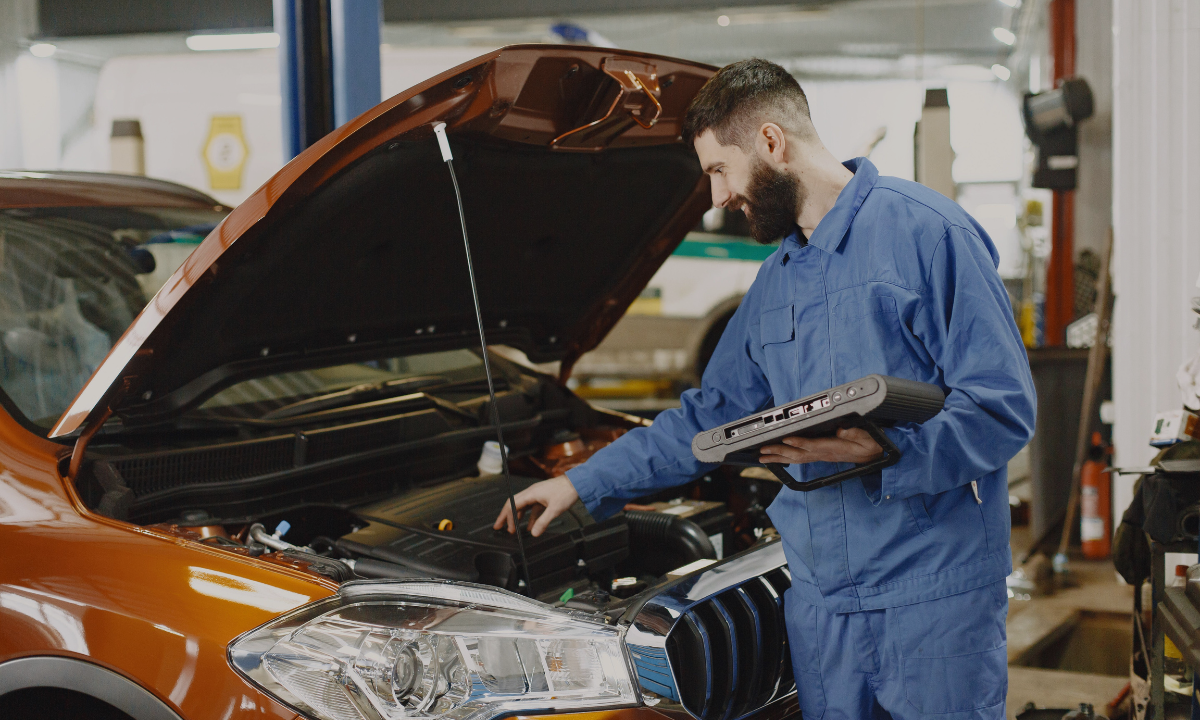

Australian drivers face mounting pressure delaying critical vehicle maintenance. As cost-of-living pressures intensify, 47% of drivers report postponing regular servicing, creating genuine safety and financial risks. Understanding maintenance essentials and realistic costs helps drivers make informed decisions about vehicle upkeep.
The Economic Reality of Maintenance Neglect
Research from 2026 reveals concerning trends. The proportion of drivers servicing vehicles every six months or more has collapsed from 46% in 2024 to just 32% in 2026. Conversely, drivers servicing less than annually jumped from 7% to 16%.
What’s driving this shift? Cost-of-living pressures represent primary factor. Average service costs range $200-$400 depending on vehicle manufacturer and service scope. For financially stretched families, this represents significant discretionary spending.
However, maintenance neglect creates false economy. Deferred servicing leads to:
– Accelerated component wear: Delayed oil changes increase engine wear exponentially, creating costly repairs
– Safety compromises: Worn brakes, low fluid levels, and worn tires create accident risk
– Compounding costs: Minor issues becoming major repairs (failed pump seals requiring entire transmission rebuilds)
– Resale value destruction: Service history dramatically impacts vehicle valuations
– Warranty voidance: Most manufacturers void warranties for deferred maintenance
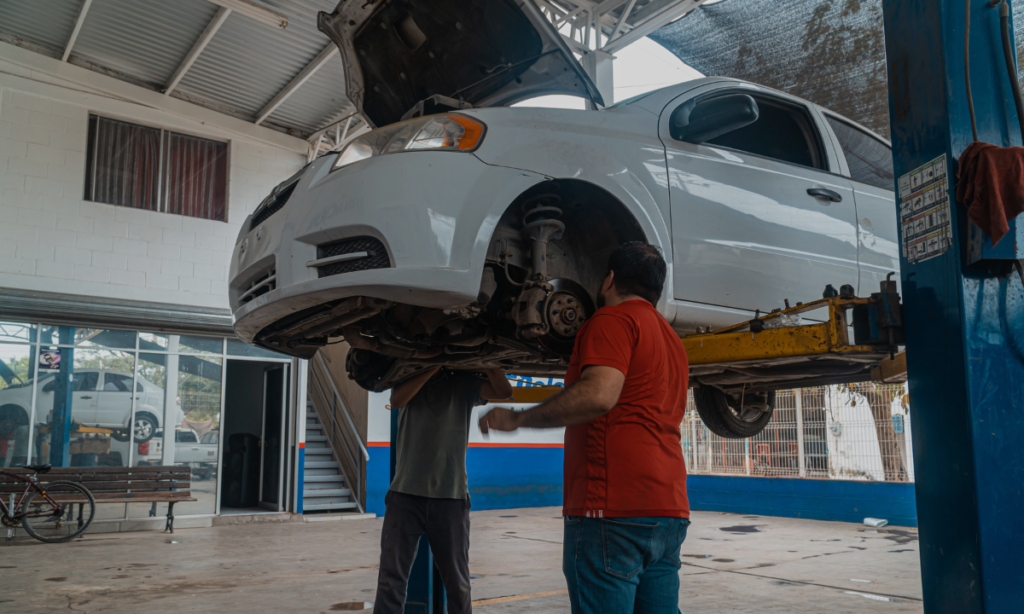
Standard Maintenance Schedule
Most Australian manufacturers recommend servicing every 10,000-15,000 kilometers or 12 months whichever occurs first. This guideline applies across most vehicle types, though specific recommendations vary by manufacturer.
Standard service components ($200-$400 depending on vehicle):
– Oil and filter change
– Fluid level checks (coolant, brake fluid, transmission fluid)
– Visual inspection (belts, hoses, brake condition)
– Filter inspections (air, cabin air)
– Battery assessment
– Tire rotation and condition inspection
Major services (every 40,000-60,000 km, $400-$800) include standard components plus:
– Transmission fluid check or change
– Brake system inspection
– Suspension component assessment
– Cooling system inspection
– Differential fluid inspection
Preventive Maintenance Value
Proper maintenance delivers substantial long-term savings despite upfront costs:
Example: 10-year vehicle ownership (150,000 km typical driving)
Neglectful maintenance scenario:
– Basic servicing: $2,000 (minimal services)
– Major repairs from neglect: $5,000-$15,000 (engine work, transmission issues, brake failure)
– Premature replacement: Vehicle unsuitable for resale at 200,000 km
– Total cost: $7,000-$17,000+
Proper maintenance scenario:
– Regular servicing: $4,000 (consistent maintenance)
– Preventive minor repairs: $1,000-$2,000 (belts, hoses, components)
– Vehicle remains roadworthy and resaleable
– Resale value: $8,000-$15,000 (significantly better condition)
– Total ownership cost: $5,000-$6,000 (accounting for better resale)
Proper maintenance reduces total ownership costs 30-40% despite higher service investment.
Electric Vehicle Maintenance Differences
Electric vehicles significantly reduce maintenance complexity. Without oil changes, transmission fluid, or spark plugs, EV servicing becomes simpler:
EV maintenance (typically $150-$300 annually):
– Tire rotation
– Brake fluid inspection
– Battery health assessment
– Coolant system check
– Brake pad inspection (limited wear due to regenerative braking)
EV owners save approximately $1,000-$1,500 annually compared to petrol equivalents, substantially improving long-term ownership economics.
Regional and Climate Considerations
Australian climate creates specific maintenance challenges:
Northern Australia (tropical): High humidity accelerates corrosion. Air filter changes needed more frequently (potentially every 5,000 km vs. standard 15,000 km intervals). Cooling system maintenance becomes critical.
Coastal regions: Salt air accelerates body corrosion and undercarriage deterioration. More frequent undercarriage washing essential. Battery terminals require additional attention.
Arid regions: Dust accumulation accelerates filter clogging. Regular air filter changes necessary. Cooler operation cycles benefit mechanical components but require dust management focus.
Urban vs. rural: Rural driving (higher mileage, varied terrain) may require more frequent servicing. Urban driving with short trips stresses batteries and cold-start systems.
Cost-Saving Maintenance Strategies
Negotiate bulk service packages: Many dealers offer discounted multi-year service packages (3-5 years). Upfront payment creates savings vs. per-service costs.
Use approved service centers beyond dealerships: Authorized independent mechanics often charge 15-25% less than dealerships while maintaining warranty compliance.
Learn simple checks: Drivers can monitor fluid levels, tire pressure, and general condition between services, identifying issues early.
Maintain service records: Complete documentation supports resale valuations, often justifying service investment through better vehicle pricing.
Prioritize high-impact servicing: If budget constraints force choices, prioritize oil changes (engine longevity), brake inspections (safety), and tire maintenance (traction, safety) over cosmetic services.
Safety-Critical Maintenance
Some maintenance tasks carry genuine safety implications and shouldn’t defer:
Brake servicing: Worn brake pads compromise stopping ability. Neglected brake servicing creates accident risk. Budget $300-$600 for brake maintenance.
Tire condition: Worn tires reduce traction and increase aquaplaning risk in rain. Replace at 2mm tread depth (legal minimum is 1.5mm but 2mm provides safety margin). Budget $400-$1,200 for four-tire replacement.
Fluid levels: Low brake fluid, coolant, or power steering fluid creates operational risks. Monthly checks cost nothing but prevent serious damage.
Battery maintenance: Corroded terminals or discharged batteries strand drivers. Annual inspection costs $50-$100 versus battery replacement costing $200-$500.
The Verdict
Vehicle maintenance in 2026 Australia faces genuine pressure from cost-of-living challenges. However, deferred maintenance creates false economy. Regular servicing costs $1,000-$2,000 annually but prevents $5,000-$15,000 repairs and extends vehicle lifespan 50,000+ kilometers. Use authorized service centers where possible, maintain complete records, and prioritize safety-critical services. The small investment in proper maintenance delivers substantial long-term savings and ensures reliable, safe vehicle operation.
2026 Maintenance Cost Summary
– Standard service: $200-$400 every 10,000-15,000 km
– Major service: $400-$800 every 40,000-60,000 km
– Annual maintenance budget: $1,000-$1,500 typical vehicles
– EV maintenance: $150-$300 annually (significantly lower)
– Brake service: $300-$600
– Tire replacement (set of 4): $400-$1,200
– Battery replacement: $200-$500
The Verdict
Regular maintenance remains essential for vehicle reliability, safety, and resale value. While cost pressures tempt deferral, proper servicing delivers better long-term economics and ensures safe, dependable operation. Prioritize safety-critical services and maintain complete records for documentation value.