


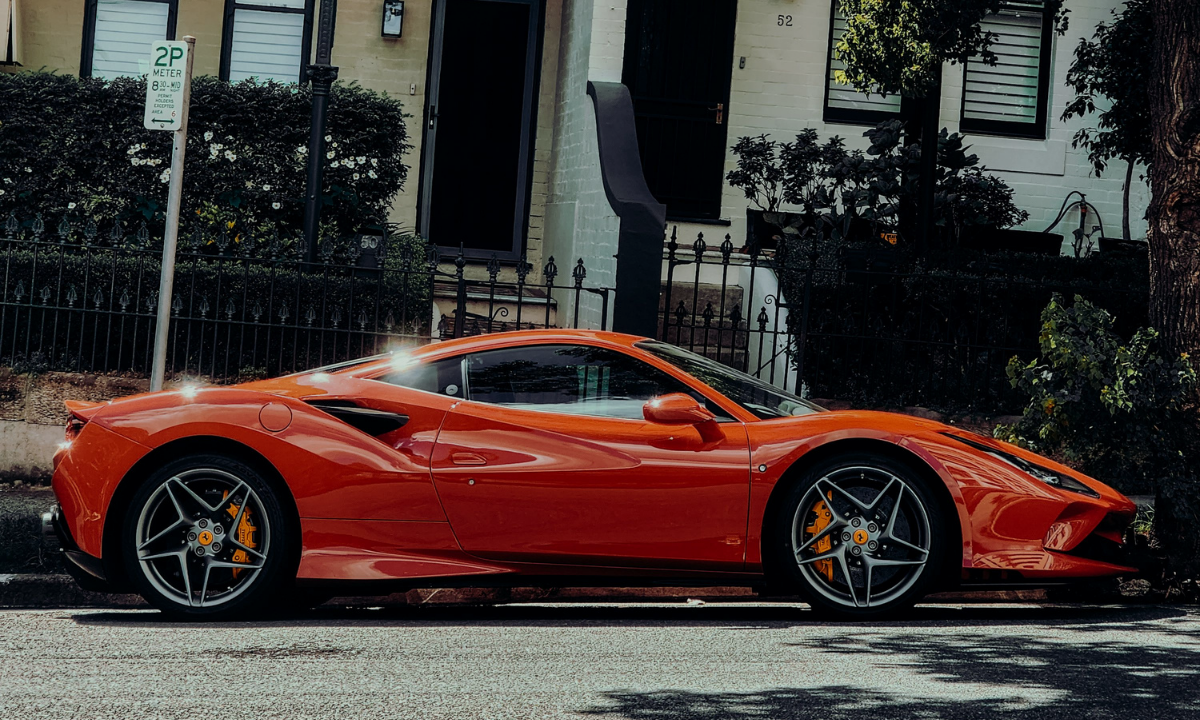

Australia’s supercar culture thrives quietly outside public attention. What drives ownership and what actually costs to maintain these machines?
The Modern Supercar Definition
Supercars in 2026 share specific characteristics:
– 0-100 km/h under 3.5 seconds
– Top speed exceeding 300 km/h
– Price point minimum $300k AUD
– Limited annual production (typi
cally under 500 units globally)
This excludes high-performance sports cars (Corvette, 911 Turbo, GT-R). While powerful, these don’t qualify as supercars due to production volumes and performance architecture differences.
Current Supercar Inventory in Australia
Registered supercars (2026 data):
– Ferrari: 387 vehicles
– Lamborghini: 254 vehicles
– McLaren: 156 vehicles
– Porsche 918 Spyder: 42 vehicles
– Bugatti: 3 vehicles
– Koenigsegg: 2 vehicles
Total supercar population: approximately 850 vehicles nationwide.
Geographic distribution heavily favors Sydney and Melbourne (74% of inventory). Brisbane, Perth, Adelaide show minimal representation despite equal wealth distribution.
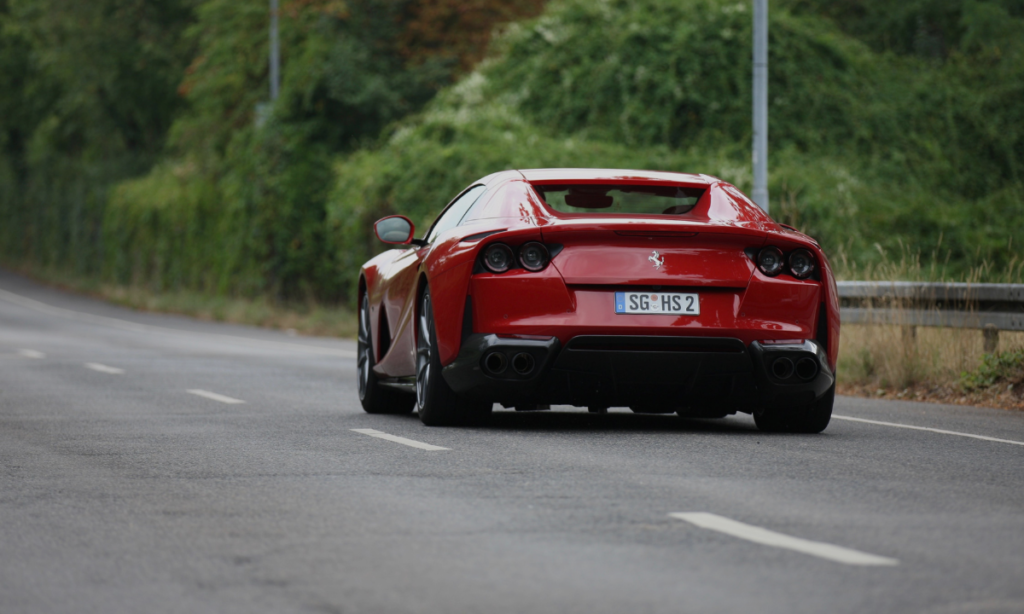
Ownership Economics
Entry-Level Supercar: Ferrari F430 (2009-2010 model)
– Purchase price: $380k-450k AUD (used market)
– Annual registration: $1,250 AUD
– Compulsory third-party insurance: $2,100 AUD
– Comprehensive insurance: $8,500-12,000 AUD (requires high-net-worth coverage)
– Fuel (15,000 km annually at 4.2 km/liter): $5,950 AUD
– Scheduled service (Ferrari requires 15,000 km intervals): $4,500 per service ($4,500 annually at average driving)
– Tire replacement (Michelin Pilot Sport 4S): $2,800 per set, replaced annually under spirited driving
– Brake service (ceramic carbon brakes): $6,000-8,000 annually
Total annual ownership cost: $30k-40k AUD
For perspective: equivalent to 6-8 years of family vehicle ownership costs compressed into single-supercar year.
Modern Supercar: Ferrari F8 Tributo (2020+)
– Purchase price: $520k-620k AUD (current market)
– Annual registration: $1,700 AUD
– Insurance: $12,000-16,000 AUD
– Fuel (4.8 km/liter): $5,200 annually
– Service (15,000 km intervals): $6,500 per service
– Tires: $3,200 per set annually
– Miscellaneous repairs/maintenance: $5,000-8,000 annually
Total annual cost: $35k-45k AUD
Modern supercars cost marginally more than vintage equivalents despite 50% higher purchase price improved reliability reduces unexpected repairs significantly.
Insurance Reality
Standard comprehensive insurance doesn’t cover supercars. High-net-worth insurance policies required.
Typical HNW policy covers:
– Agreed value coverage (not depreciation-based)
– Worldwide coverage
– Track day damage exclusions (most policies)
– Stricter theft prevention requirements
Installation requirements:
– GPS tracking device ($2,000)
– Immobilizer upgrade ($3,000)
– Secure storage (minimum home garage specification)
Total investment before driving: $5,000+ in security infrastructure.
Usage Patterns
Supercar ownership statistics (based on 2026 Australian usage data):
– Average annual mileage: 2,100 km
– Most owners drive supercars 2-3 times monthly
– Primary usage: weekend drives, car club events, track days
– Secondary usage: long-range touring (rare typically one major trip annually)
Real data from Ferrari owners shows 850 vehicles drive average 2,147 km annually nationwide contrasting sharply with family vehicle average 12,500 km.
Limited use reflects supercar reality: expensive, impractical for daily driving, requiring specialized maintenance timing.
Supercar Alternatives for Enthusiasts
Performance vehicle: Porsche 911 Turbo (992 generation)
– Price: $380k AUD new
– Annual cost: $12-18k (significantly lower than supercar)
– Performance: 0-100 in 2.7 seconds
– Practicality: Daily driveable, superior reliability
Choice point: Supercar offers exclusivity; 911 Turbo offers similar performance with 40% lower ownership cost.
Track-focused: Lamborghini Huracán Tecnica
– Price: $495k AUD
– Annual cost: $25-30k
– Performance: 0-100 in 2.9 seconds
– Practicality: Limited, designed for circuit use
Electric alternative: Aspark Owl (preorder Australia 2026)
– Price: TBD (estimated $520k)
– Performance: 0-100 in 1.69 seconds (fastest production car)
– Annual cost: Estimated $15-20k (no fuel, lower maintenance)
– Practicality: Ultra-limited (44 units globally planned)
Economic Reality Check
Supercar ownership requires:
– Minimum $400k purchase capital
– Minimum $40k annual spending budget
– Interest in specialized maintenance knowledge
– Acceptance that vehicle depreciates $20-40k annually
– Commitment to security and insurance infrastructure
For equivalent enthusiast experience, performance sports cars (911 Turbo, GT-R, Corvette C8) deliver 85% of supercar excitement with 50% of ownership cost.
The Verdict
Australian supercar ownership concentrates among high-net-worth individuals (accountants, business owners, professionals) aged 45-65. The 850 registered supercars represent 0.003% of Australian vehicle population emphasizing exclusivity.
Ownership is viable for those with disposable income treating it as lifestyle spending rather than investment. Supercars depreciate, require constant maintenance investment and limit driving frequency due to practical constraints.
For genuine automotive passion with budget constraints, high-performance sports cars deliver superior value. For those seeking exclusivity and uncompromised performance without practicality concerns, supercar ownership delivers unmatched experience.
The question isn’t “Can I afford to buy a supercar?” but rather “Can I afford the annual $35-45k ownership cost indefinitely?”