


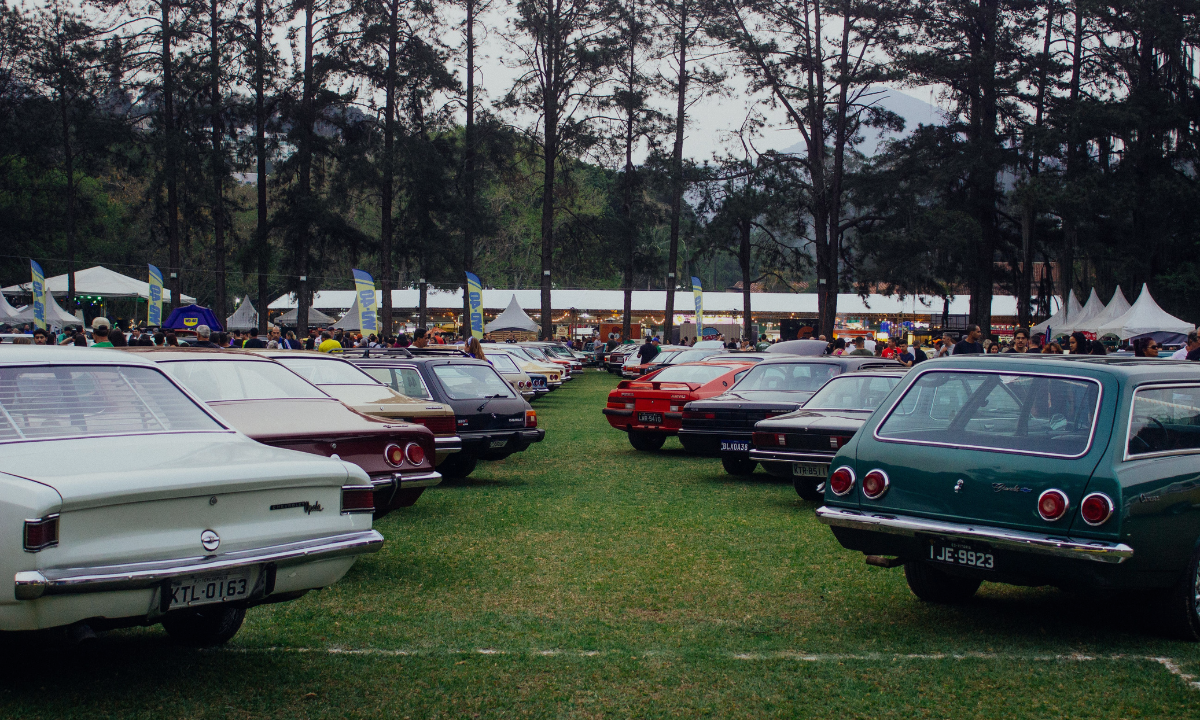

Australian automotive culture reflects unique national identity. From legendary Holden and Ford rivalry to contemporary electric vehicle adoption, cars embody Australian values: practical capability, competitive spirit, and engineering innovation. Understanding this culture provides insight into why vehicles resonate so deeply in Australian society.
The Holden-Ford Dynasty
For decades, Holden and Ford dominated Australian automotive consciousness. The Holden FE through EJ generations and Ford XB-XC Falcons represent more than vehicles they symbolize Australian industrial achievement and national pride.
Cultural significance: When Holden ceased local production (2017), national mourning reflected attachment transcending mere transportation. Holden represented Australian capability and achievement. Its closure signified shift from manufacturing nation toward consumer-focused economy.
Ford’s continued local presence through Falcon and Mustang models maintains American manufacturer investment in Australian market, though at substantially reduced scale compared to Holden’s dominance.
Muscle Car Heritage
Australian automotive enthusiasm centers fundamentally on American muscle car philosophy translated to local platforms. The concept of affordable, powerful vehicles accessible to working-class drivers defined generations.
Cultural authenticity: Australian muscle cars emerged not from copying American originals but adapting philosophy to local context. Holden’s engineering excellence combined with American V8 powertrains created distinctly Australian vehicles commanding international respect.
Contemporary appreciation reflects this heritage. XB Falcons and FE Holdens command premium prices not merely for rarity but for cultural significance representing golden era of Australian manufacturing.
Street Machine Culture
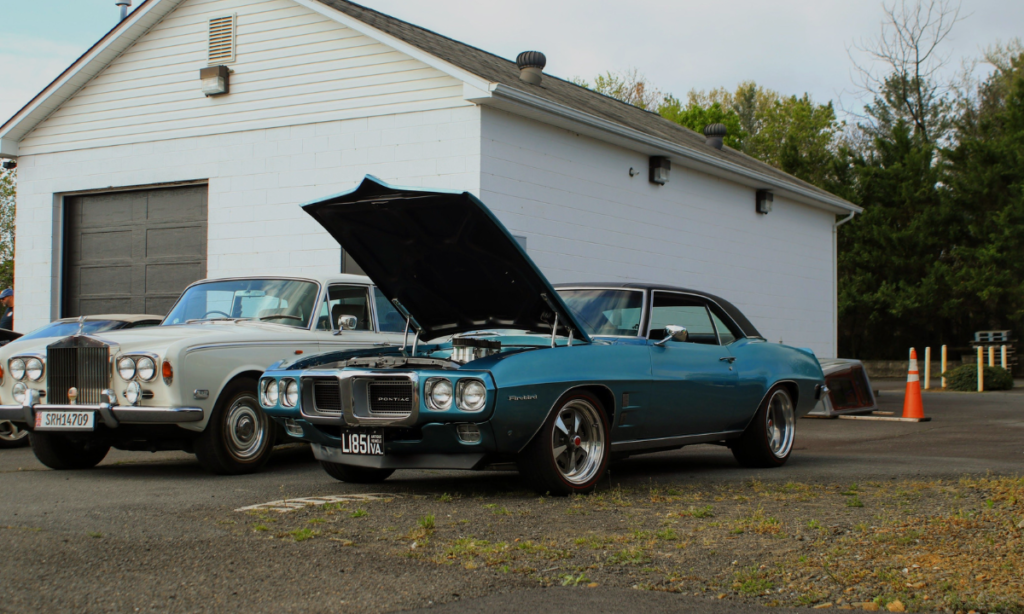
Australian street machine scene flourishes with creativity. From lowriders to hot rods to turbo-charged modifieds, enthusiast communities express individuality through vehicles.
Shows and events: Cruises, car shows, and track days represent genuine community gathering spaces. Spectator numbers (often 5,000-50,000+ at major events) demonstrate cultural participation breadth.
Evolution and diversity: Contemporary scene expands beyond traditional American muscle orientation. Japanese tuners, European exotics, and electric vehicles increasingly represented alongside classic Australian icons.
Social significance: Car shows provide family entertainment, community connection, and platform for enthusiast expression.
The Ute Phenomenon
Australian ute culture reflects practical national characteristics. Utes represent tools-of-work combining practicality with personality, embodying Australian self-reliance and capability orientation.
Cultural status: Unlike other markets viewing utes as commercial necessities, Australians elevate utes to cultural icons. Customization culture paint schemes, chrome, performance enhancements transforms utilitarian vehicles into personal expression statements.
Modern evolution: Contemporary utes (Ford Ranger, Toyota HiLux, new Ford Tasman) maintain practicality while incorporating luxury features. Consumer demand for comfortable, capable vehicles drives ute market dominance.
Collector Car Investment
Classic car collecting represents growing investment category reflecting broader Australian wealth management trends. Beyond passionate enthusiasts, sophisticated investors recognize Australian automotive heritage appreciation potential.
Cultural impact: Collector car culture celebrates mechanical excellence and automotive history. Restoration projects become personal pilgrimages preserving mechanical heritage.
Community building: Enthusiast organizations, swap meets, and auctions create community infrastructure supporting collector culture.
Racing and Competition Heritage
Australian motorsport tradition extends from Mount Panorama’s Bathurst 1000 through grassroots club racing. Racing embodies competitive spirit and engineering excellence cultural values.
International success: Australian drivers (Mark Webber, Daniel Ricciardo, Oscar Piastri) achieving Formula 1 success inspire national pride, validating perceived mechanical competence.
Accessibility: Motorsport Australia’s 600+ affiliated clubs democratize racing opportunity, enabling participation across skill levels.
Evolving Cultural Values
2026 Australian automotive culture navigates transformation:
Electric vehicle acceptance: Initial skepticism gives way to practical recognition. Performance and accessibility of modern EVs shift cultural perception from environmental compromise toward genuine appeal.
Sustainability tension: Environmental consciousness challenges traditional muscle car enthusiasm. Younger generation question high-consumption vehicles, seeking alternatives aligned with sustainability values.
Technology enthusiasm: Modern vehicle technology (autonomous features, connectivity, performance monitoring) attracts tech-oriented enthusiasts alongside traditional mechanical purists.
Inclusion and diversity: Automotive enthusiasm expanding beyond traditional male-dominated communities. Female enthusiasts, LGBTQ+ communities, and culturally diverse participants reshape hobby character toward inclusivity.
Contemporary Challenges
Manufacturing decline: Australia’s transition from production nation to consumer market reflects global trends but creates cultural anxiety. Automotive identity partly rooted in making vehicles; loss of manufacturing capability resonates emotionally.
Price accessibility: Contemporary vehicle pricing increasingly excludes working-class participation historically central to Australian culture. $50,000+ entry costs for new vehicles fundamentally reshape cultural participation patterns.
Nostalgia and progress tension: Appreciation for classic Australian vehicles coexists with recognition that future demands sustainable, efficient alternatives. Reconciling heritage with contemporary responsibility remains ongoing cultural negotiation.
The Verdict
Australian automotive culture reflects distinctive national character practical, competitive, mechanically capable, and heritage-conscious. From Holden-Ford rivalry through street machine creativity to contemporary Bathurst traditions, vehicles embody cultural values transcending mere transportation. 2026 sees culture evolution balancing nostalgic attachment to mechanical heritage with recognition that automotive future demands sustainability and inclusion. Whether rooted in Falcon passion, ute pride, or racing enthusiasm, Australian automotive culture remains vital expression of national identity and mechanical passion.
Cultural Touchstones
– Holden FE-EJ models: Australian industrial heritage symbols
– Ford XB-XC Falcons: Muscle car iconic vehicles
– Mount Panorama/Bathurst 1000: Motorsport pinnacle
– Ute culture: Practical capability and customization
– Street machine scene: Enthusiast creativity expression
– Collector car investment: Heritage appreciation and financial strategy
The Verdict
Australian automotive culture represents unique blend of practical heritage, competitive excellence, and mechanical passion. From legendary Holden-Ford rivalry through contemporary EV adoption, vehicles embody national values. Culture evolves toward sustainability and inclusion while maintaining passionate appreciation for mechanical heritage and performance tradition.