



Australia’s automotive market is experiencing remarkable transformation in 2026. Over 150 new models and variants are launching or arriving, with unprecedented emphasis on electric vehicles, hybrid powertrains, and technology integration. Here’s what enthusiasts and practical buyers need to know about this year’s automotive landscape.
The Electric Revolution
The most significant shift in 2026 is the volume of electric vehicles entering the Australian market. Competition has intensified dramatically, with over 50 new EV models or variants confirmed for local availability.
Toyota HiLux EV stands as the year’s most anticipated utility vehicle arrival. Priced between $90,000-$100,000 AUD, it combines the legendary HiLux platform with battery-electric propulsion. Early deliveries begin mid-2026, with pre-orders already exceeding 5,000 units. Range estimates of 450+ km satisfy practical users concerned about rural reliability.
BYD continues aggressive expansion. The M9 people-mover (7-seater, around $45,000) and Ti7 SUV represent new segments, expanding BYD’s portfolio beyond small city vehicles. The Atto 3 receives evolutionary updates improving range and charging speed.
Hyundai Elexio launches in Q1 2026, addressing a gaping hole in the Korean brand’s lineup. The 27-inch widescreen digital display and 500km+ range appeal to mid-market buyers transitioning from petrol vehicles.
BMW iX3 heralds the ‘Neue Klasse’ family BMW’s complete EV overhaul arriving mid-2026. As a direct BMW-designed electric vehicle (rather than converted petrol platform), it signals premium manufacturers’ commitment to purpose-built EVs.

Premium Performance Arrivals
High-end manufacturers are introducing exciting performance options for Australian enthusiasts.
Aston Martin Valhalla (twin-turbo V8 supercar) arrives in the first half of 2026. Limited to 999 global production vehicles, Australia receives several examples. Performance specifications include 6.5-second 0-100km/h acceleration and active aerodynamics. Pricing starts around $1.4 million AUD.
Ferrari and Lamborghini hybrid supercars introduce advanced hybrid V12 and V8 configurations. The Lamborghini Revuelto represents Lamborghini’s first hybrid supercar, combining traditional V12 drama with electric torque fill and efficiency compliance.
Ute and Commercial Vehicle Updates
Australia’s ute market receives significant attention, with Toyota HiLux (both petrol and electric), Ford Ranger updates, and Kia’s new Tasman single-cab chassis ute launching in Q1 2026.
The Kia Tasman positions as an affordable alternative to conventional dual-cab utes, targeting buyers prioritizing value and modern features over brand heritage.
Hybrid-Only Strategies
Several manufacturers now offering hybrid-only lineups signal definitional industry shift.
Kia Seltos launches in Q4 2026 as a second-generation model with hybrid-only specifications. This strategy ensures fuel efficiency compliance while maintaining petrol powertrain familiarity for buyers hesitant about full electrification.
Toyota continues hybrid proliferation. The RAV4 receives a complete redesign with significant hybrid focus, positioning hybrid as the default preference rather than premium option.
Mid-Size SUV Competition Intensifies
The competitive mid-size SUV segment receives multiple new entries:
– Mazda CX-5 – Complete redesign with improved technology and efficiency
– Toyota RAV4 – Next-generation platform featuring both hybrid and conventional options
– Nissan Qashqai – Updates bringing new styling and feature sets
– Subaru Crosstrek – Expanded lineup with additional powertrain options
Affordable Performance Remains Competitive
Enthusiasts without supercar budgets benefit from strong options:
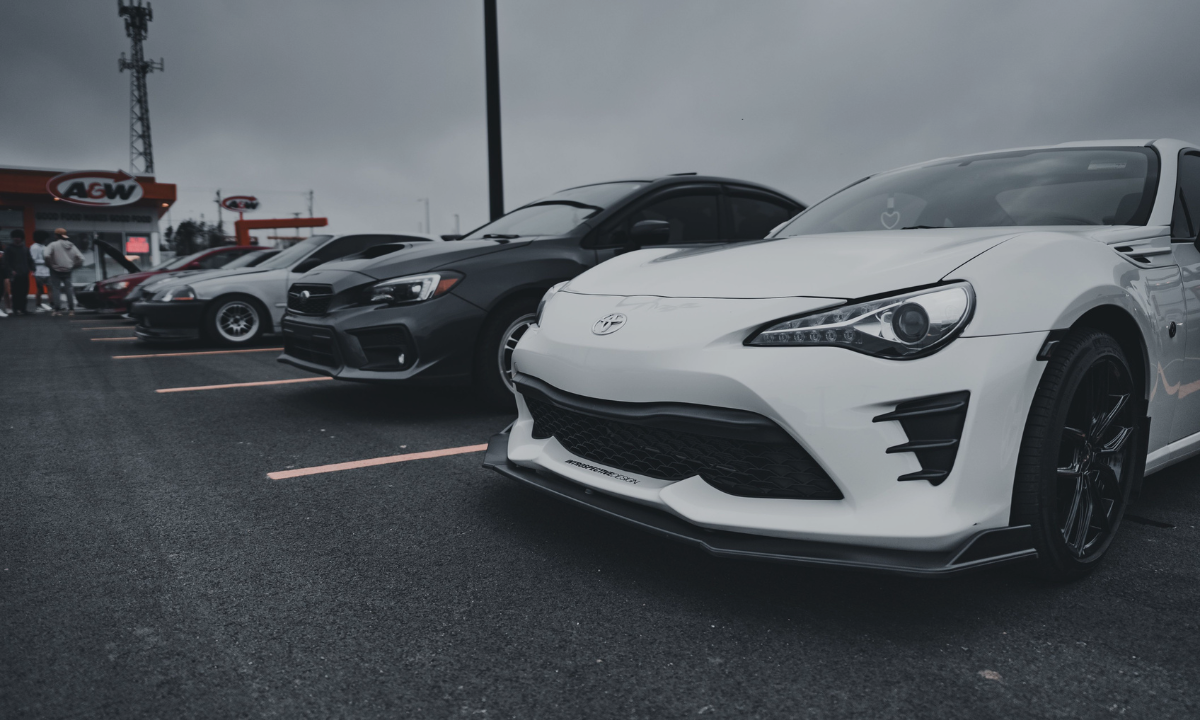
– Toyota GR86 – Maintains lightweight, affordable sports car positioning
– Subaru BRZ – Platform-shared competitor in accessible performance segment
– Mazda MX-5 – Continues conversion-top sports car appeal
– Ford Mustang GT – Iconic American muscle arriving with modern electronics
– Nissan Z – Classic styling meets contemporary performance
Technology Integration Accelerates
Nearly all 2026 arrivals feature:
– Advanced infotainment systems – 10-15 inch touchscreens standard
– Over-the-air updates – Software improvements without dealership visits
– Advanced driver assistance – Autonomous emergency braking, adaptive cruise now baseline
– Smartphone integration – Apple CarPlay, Android Auto as standard
– Electrification connectivity – EVs feature app-based charging and pre-conditioning features
Market Availability and Pricing Trends
Supply constraints have eased. 2026 sees improved availability for most segments, contrasting with 2023-2025 supply challenges. Waiting times have dropped from 12-18 months to 3-9 months for most models.
Pricing remains elevated. Despite supply improvement, pricing hasn’t normalized. Electric vehicle pricing dropped modestly (5-8% reductions from 2025 levels), but petrol and hybrid vehicles maintain 2025 price points. Supply and demand remain relatively balanced, limiting negotiation room.
Regional availability varies. Urban dealers receive allocation priority. Regional areas may wait longer for popular models. Ordering early remains strategic for buyers seeking specific configurations.
Government Incentives Impact
The Australian government’s EV purchase incentives have shaped 2026 purchasing decisions. While direct purchase rebates remain limited compared to international markets, various state-based schemes provide modest benefits. Victoria’s EV purchase discount ($3,000 for vehicles under $68,000) influences buying decisions in Australia’s most populous state.
The Verdict
2026 represents the automotive industry’s genuine pivot toward electrification and efficiency. Electric vehicles are no longer emerging alternatives but genuinely competitive mainstream options. Performance enthusiasts enjoy expanded choices combining technology with driving engagement. However, elevated pricing and modest inventory mean early booking remains advisable for popular configurations.
—
Key Market Indicators (2026)
– New EV models arriving: 50+ variants
– Average waiting times: 3-9 months (improved from previous years)
– EV pricing reduction from 2025: 5-8%
– Petrol/hybrid pricing: Stable (minimal reduction)
– Toyota HiLux EV price range: $90,000-$100,000 AUD
– Aston Martin Valhalla price: ~$1.4 million AUD
The Verdict
Australia’s 2026 automotive market offers unprecedented choice with electric vehicles finally becoming practical, affordable alternatives to traditional powertrains. Supply constraints have eased, though pricing remains elevated. Early booking ensures access to popular configurations and desired launch-timing delivery. Whether transitioning to electric or exploring performance options, 2026 presents compelling automotive opportunities.