



The explosive growth of electric vehicles in Australia means more drivers face a critical question: what’s the real cost to charge an EV? While electric vehicles offer compelling long-term savings, understanding charging economics is essential for purchase decisions and budget planning. Here’s the verified breakdown for 2026.
Home Charging: The Most Economical Option
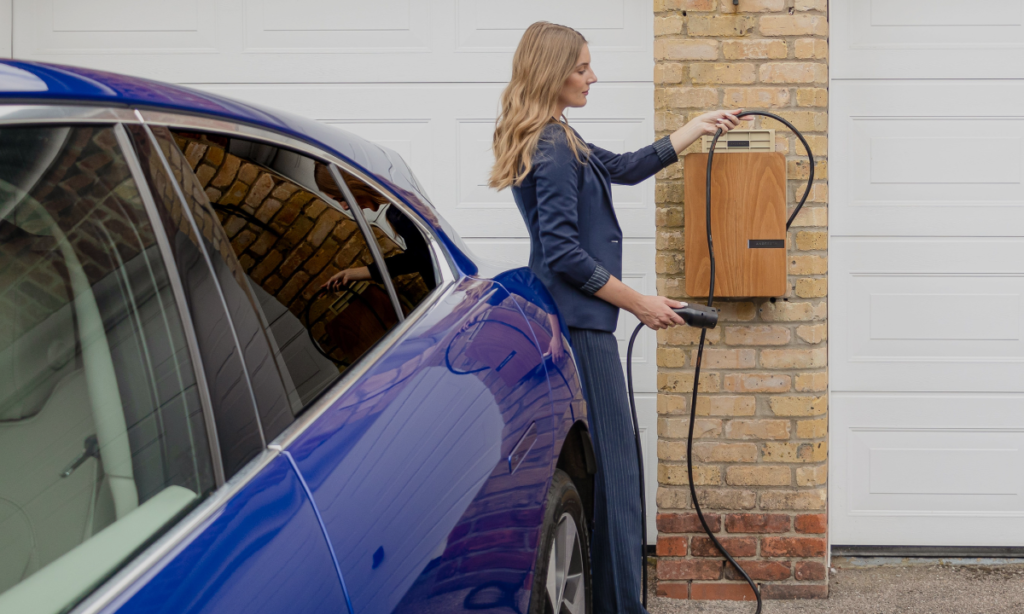
Home charging remains the cheapest way to power an electric vehicle. Australia’s average electricity rate sits between 30-35 cents per kilowatt-hour (c/kWh). For a typical 75kWh battery common in mainstream EVs like the Tesla Model 3 or BYD Atto 3 a full charge from empty costs approximately $22-$26 AUD.
This calculation reveals why home charging dominates EV economics. A typical sedan driving 15,000 km annually (Australia’s average) consumes around 2,250 kWh yearly. At 33c/kWh average rates, annual home charging costs approximately $742.
Time-of-use tariffs dramatically improve economics. Many Australian electricity providers offer off-peak rates between 18-22c/kWh during night hours (typically 10 PM to 7 AM). Charging overnight at these rates drops a full 75kWh charge to $13-$17 a 35-40% saving compared to standard rates.
To benefit from off-peak charging, you need: a compatible EV (most modern models offer scheduled charging), suitable electricity plan from your provider, and installation of a home charger with programmable charging features.
Public Fast Charging: The Premium Option
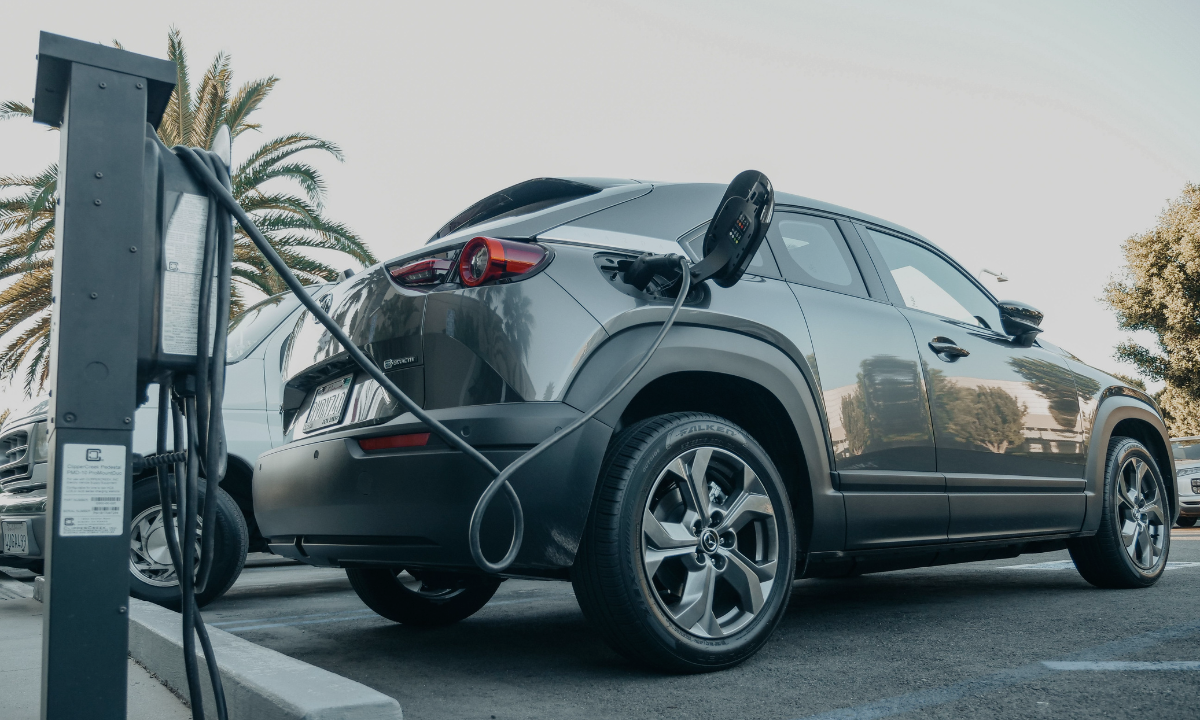
Public DC fast charging networks Chargefox, Evie Networks, Tesla Supercharger operate at 40-75c/kWh depending on network and peak/off-peak timing. These rapid chargers represent premium pricing for convenience.
Real-world cost analysis: A 50kWh charge at 60c/kWh costs $30, adding approximately 250 km range. This equates to 12 cents per kilometre roughly double the home charging cost.
Public fast chargers make sense for: road trips requiring rapid refueling, apartments without home charging access, emergency rapid top-ups, and long-distance travel. For daily commuting, public charging rarely makes financial sense.
Network subscription models provide better value for frequent public chargers. Chargefox Plus ($99/month) includes unlimited charging at participating locations, creating savings for high-usage drivers. Comparable to fuel rewards programs, subscriptions work for drivers exceeding 15,000 km annually with regular long-distance travel.
Total Cost of Ownership Comparison
Let’s compare real 2026 annual costs for a practical 15,000 km driver using BYD Atto 3 (Australia’s most affordable EV) versus equivalent petrol competitor:
Electric Vehicle (BYD Atto 3, $27,000 driveaway):
– Home charging at night: $742 annually (10.2 cents/km)
– Maintenance (battery monitoring, minimal moving parts): $150 annually
– Registration (varies by state): $250-$400 annually
– Insurance (comprehensive): $600-$900 annually
– Total annual motoring: $1,742-$2,092
Equivalent Petrol Vehicle (Toyota Corolla Hybrid, $28,000 driveaway):
– Fuel at $1.80/litre, 7L/100km consumption: $1,890 annually
– Regular servicing (oil changes, filters, belts): $400 annually
– Registration: $250-$400 annually
– Insurance (comprehensive): $650-$950 annually
– Total annual motoring: $3,190-$3,640
Electric vehicles demonstrate $1,400-$1,550 annual savings over comparable petrol vehicles substantial difference over 10+ year ownership periods.
Hidden Costs and Infrastructure Realities
Home charger installation typically costs $1,200-$2,500 depending on existing electrical infrastructure. Homes requiring panel upgrades cost more. Consider this as part of purchase economics.
Apartment and rental considerations: Renters and apartment dwellers face genuine challenges. Public charging remains the primary option, which dramatically changes cost calculations. Annual public charging for 15,000 km at 12c/km adds $1,800 more expensive than petrol ownership.
Battery degradation remains negligible during typical ownership. Modern EVs retain 85-95% battery capacity after 200,000 km. Warranty coverage (typically 8 years/160,000 km) protects against premature failure.
Grid demand charges are minimal in residential use but matter for commercial applications. Businesses running EV fleets should review specific rates with electricity providers.
State-by-State Electricity Rate Variations
Electricity costs vary significantly across Australia:
– South Australia: 28-32c/kWh (most expensive grid)
– Queensland: 25-30c/kWh (variable by provider)
– NSW/Victoria: 30-35c/kWh (standard rates)
– Western Australia: 32-38c/kWh (regional variation)
Residents in South Australia should prioritize off-peak charging more aggressively, potentially negotiating dedicated EV charging tariffs that some providers now offer.
The Real Cost Advantage
For Australian drivers with home charging access, electric vehicles reduce motoring costs by 40-45% compared to petrol equivalents. This advantage extends across 10-year ownership periods, creating substantial savings.
Without home charging access, the equation changes. Public charging costs rise significantly, narrowing financial advantage to 15-25%. This reality has critical implications for apartment dwellers and those without dedicated parking.
The Verdict
Electric vehicle charging economics in Australia 2026 strongly favor home-charging owners. Install a home charger if possible, prioritize off-peak charging, and budget realistic annual costs. For house owners with parking, EVs deliver compelling long-term savings. For renters and apartment residents, carefully evaluate your specific charging situation public charging may eliminate EV financial advantages.
—
Key Cost Figures (2026 Australian Rates)
– Home charging cost: 10-15c/km (off-peak) to 15-20c/km (standard rates)
– Public DC fast charging: 10-15c/km (most expensive option)
– Annual charging (15,000 km home charge): $742-$900 AUD
– Equivalent petrol cost (7L/100km): $1,890-$2,100 AUD
– Annual savings (EV vs petrol): $1,000-$1,400 AUD
– Home charger installation: $1,200-$2,500 AUD (one-time cost)
The Verdict
EV charging in Australia 2026 delivers genuine cost advantages for house owners with home charging capability. Prioritize off-peak rates, understand your local electricity pricing, and calculate your specific scenario before purchase. With proper charging strategy, annual EV running costs drop 40-45% below petrol equivalents, creating meaningful long-term savings.