


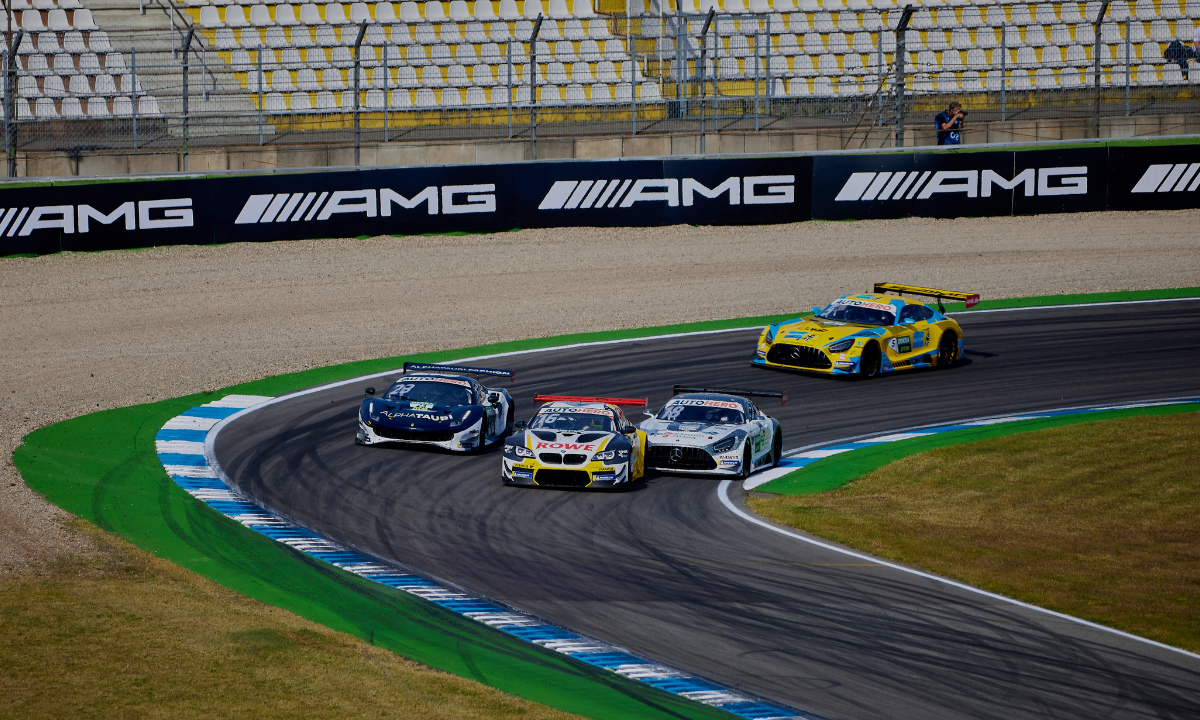

Australia boasts one of the most deeply integrated, competitive motorsport cultures on earth. From the thunderous V8s of the premier Supercars Championship to the fiercely contested production car classes competing at local venues, our domestic racing infrastructure provides a clear, structured pipeline for competitive talent.
For the everyday automotive enthusiast, understanding how this massive network functions is the first step toward moving from a passive spectator in the grandstands to an active competitor out on the tarmac.
1. The Peak: The Supercars Championship
The undisputed pinnacle of Australian motorsport is the Repco Supercars Championship. Recognized globally as one of the most competitive touring car categories in existence, Supercars racing pits closely matched, custom-chassis silhouettes against one another in a brutal display of driver skill and strategic execution.
The Technical Equality: Modern regulations mandate highly standardized aerodynamic packages, identical suspension pickup points, and controlled tire compounds across competing manufacturers.
This strict parity shifts the competitive focus entirely onto vehicle setup engineering, tire management, and the raw reflexes of the drivers over long-distance endurance formats.
2. The Foundation: Grassroots Categories
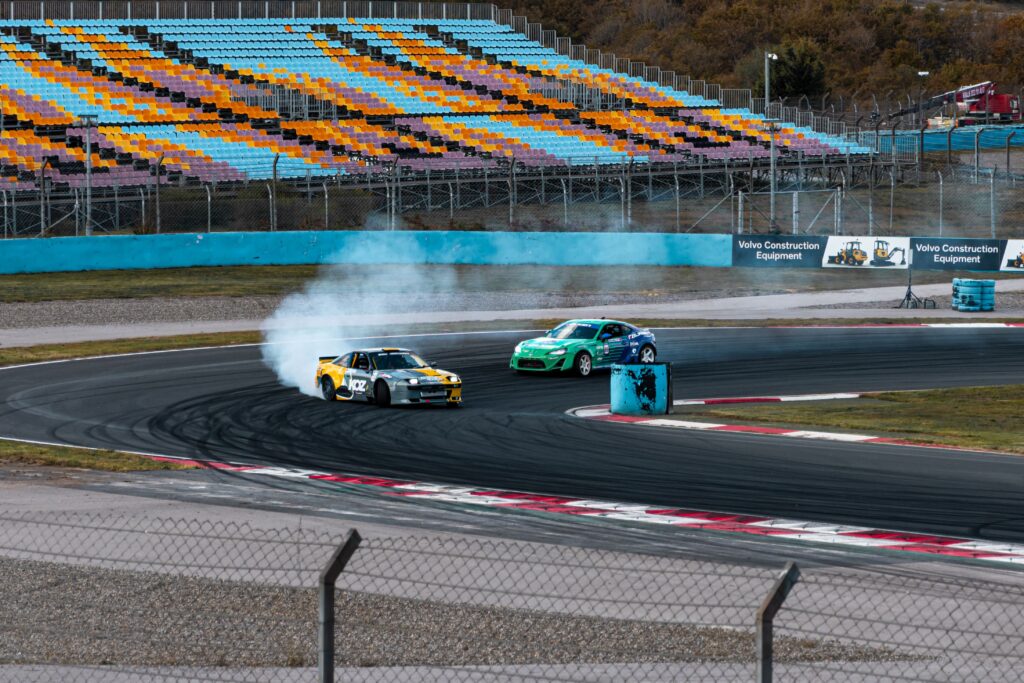
While professional touring cars capture the mainstream headlines, the true foundational strength of Australian motorsport lies at the grassroots level.
[Club Motorkhana] ➔ [State Production Car Sprints] ➔ [National Support Categories] ➔ [Professional Tiers]
Categories like Spec Miatas / Mazda MX-5 Cups, Improved Production, and the incredibly popular Hyundai Excel Series offer accessible entry points into door-to-door racing. These budget-conscious frameworks rely heavily on factory-derived passenger vehicles fitted with mandatory safety cages, controlled suspension kits, and uniform brakes, ensuring that budget size doesn’t completely eclipse driving ability.
3. Securing Your Racing Licence
To transition from track days to official competitive racing, you must step through the regulatory framework managed by Motorsport Australia. The standard process requires:
- Holding a valid active membership with an affiliated local car club.
- Completing a formal medical assessment to verify physical fitness.
- Passing a structured online lecture module covering racing flags, safety protocols, and sporting regulations.
- Completing an observed on-track licensing evaluation to demonstrate safe vehicle control and correct track etiquette under simulated race conditions.