


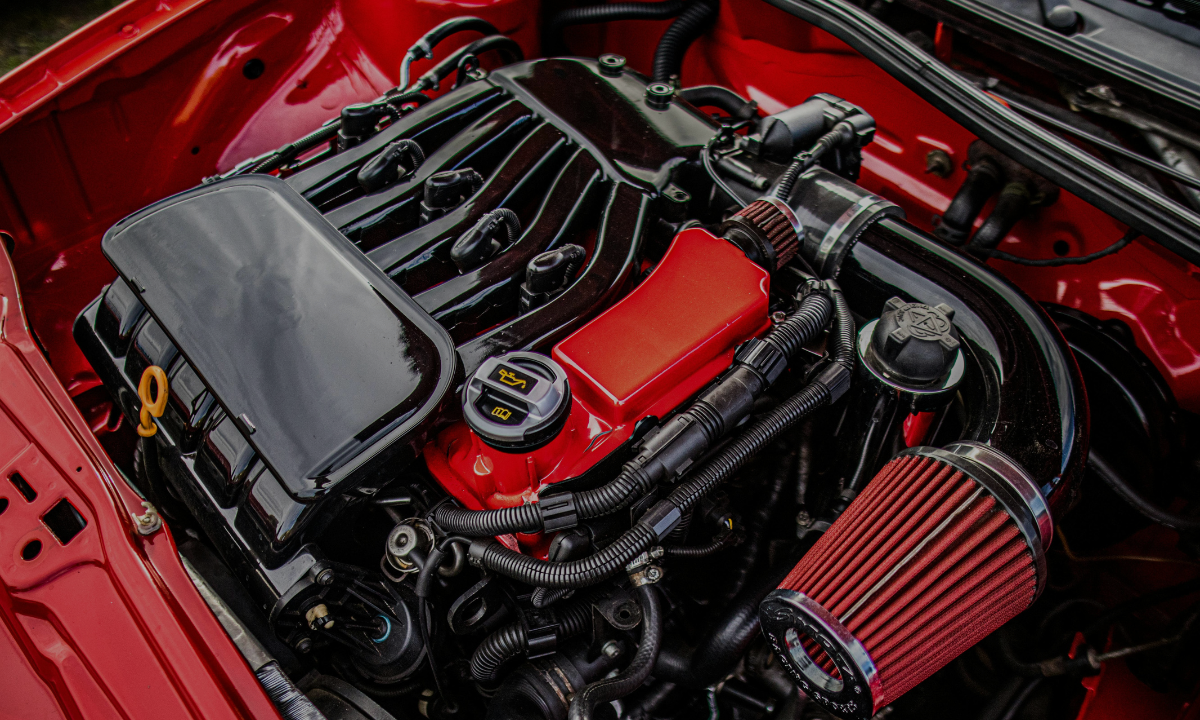

The itch to modify your vehicle is an inevitable part of the enthusiast experience. The moment you drive a new project car into your garage, your brain naturally begins evaluating how to unlock more throttle response, sharpen the handling, and extract a throatier exhaust note from the factory setup.
However, entering the world of car performance parts can be incredibly overwhelming for beginners. The market is saturated with conflicting claims, expensive parts, and snake-oil accessories promising unrealistic horsepower gains.
To build power effectively without wasting capital or compromising reliability, you need to systematically target the core restrictions left behind by factory engineers. Here are the three most effective, street-legal entry-level performance upgrades to start your build journey.
1. High-Flow Air Intakes
An internal combustion engine is essentially a giant air pump: the more volume of clean, cold air you can efficiently feed into the combustion chambers, the more fuel you can cleanly burn, resulting in increased power stroke energy.
Factory Airbox (Restrictive, Insulated, Quiet) ➔ Low Turbulent Airflow
Aftermarket Cold Air Intake (Mandrel-Bent, High-Flow Filter) ➔ High Density, High Volume Flow
Standard factory airboxes are heavily restricted, designed to muffle induction noise and insulate the engine from ambient sound at the cost of outright flow velocity. Swapping this out for a dedicated, enclosed Cold Air Intake (CAI) utilizes a high-flow pleated filter element and smooth, mandrel-bent piping. This setup draws dense, cold air from outside the engine bay rather than sucking in hot air off the radiator, yielding a proven 5 to 15 horsepower increase on turbocharged platforms.
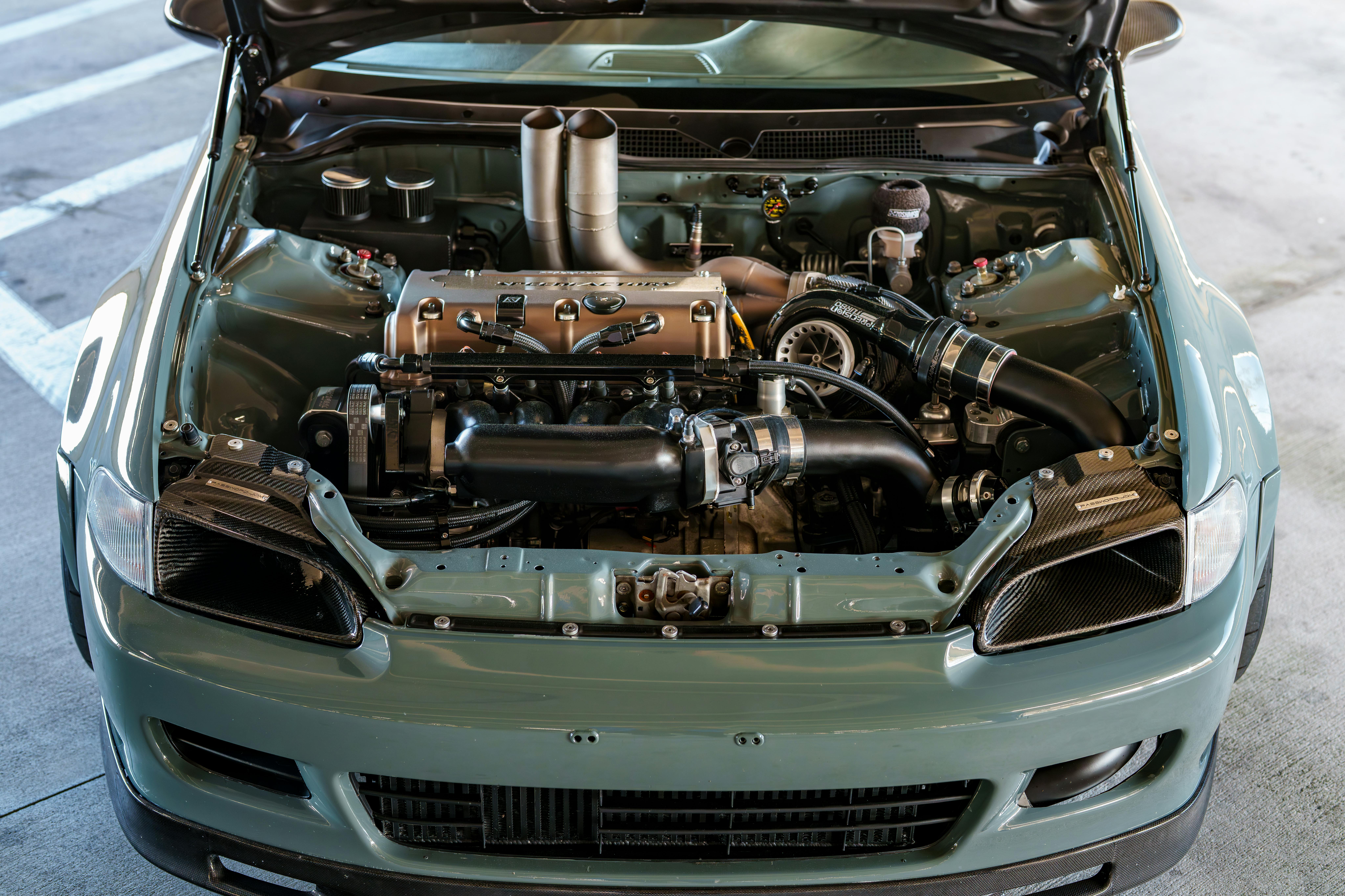
2. High-Flow Exhaust Systems
Once you increase the volume of air entering the front of the motor, you must clear the restriction on the exit path. Factory exhaust systems utilize dense, restrictive mufflers and narrow piping diameters to minimize exterior cabin noise.
Upgrading to an aftermarket Cat-Back Exhaust System increases the piping diameter and uses mandrel-bent sections to ensure the walls of the exhaust tubing maintain a perfectly uniform diameter through every bend. This drastically reduces exhaust backpressure, allowing the engine to exhale much more freely, resulting in faster turbocharger spool times and an aggressive sound profile.
3. Electronic Control Unit (ECU) Calibration
Modern engines are managed entirely by an onboarding computer called the Electronic Control Unit (ECU). Factory calibrations are intentionally conservative, optimized for low-quality fuel and extreme environmental tolerances.
Understanding Stage 1 Tuning: An ECU recalibration commonly referred to as a “Stage 1 Flash Tune” modifies key parameters within the software code without requiring mechanical changes. By precisely reshaping the target fuel-to-air ratios, advancing the ignition timing profiles, and increasing target turbocharger boost pressure limits, a professional ECU tune can safely unlock up to 20-30% more power on forced-induction vehicles within a single afternoon.