


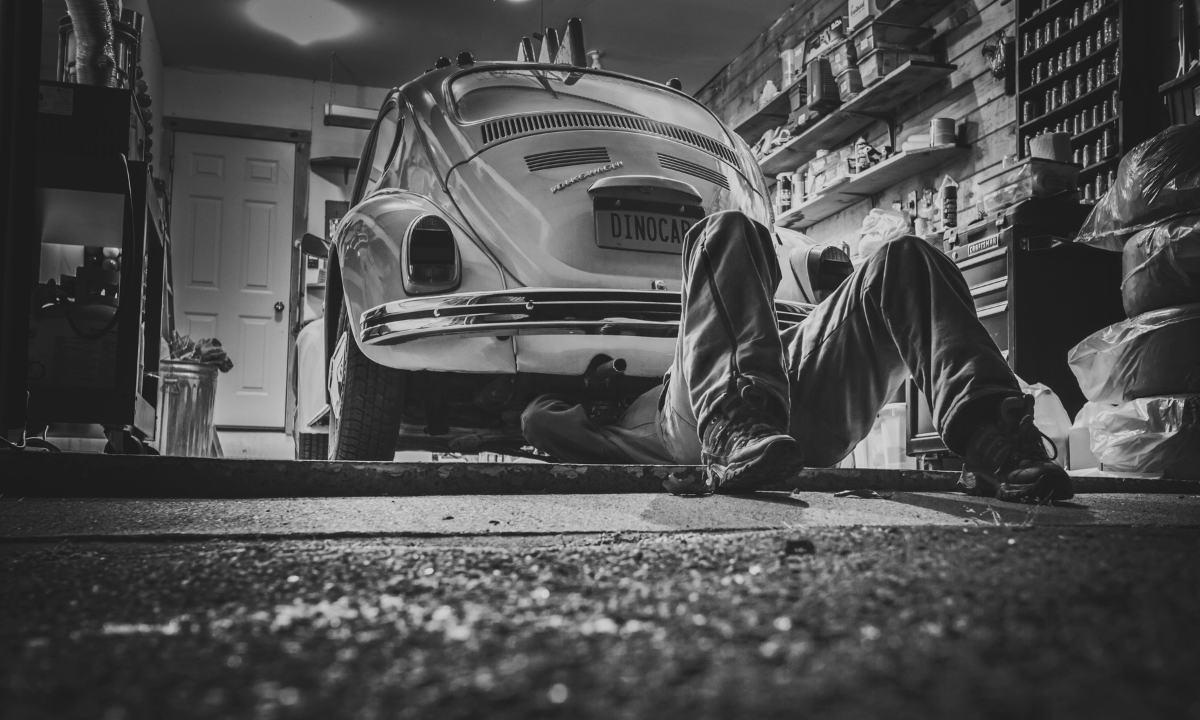

There is a profound difference between a car owner who views their vehicle as a passive appliance and an enthusiast who understands the mechanical heartbeat under the bonnet. Regular preventative maintenance is the single most critical factor in determining whether your vehicle effortlessly clocks over 300,000 kilometres or suffers a catastrophic mechanical failure on the side of a highway.
While complex internal engine work is best left to specialized mechanical workshops, handling basic logbook servicing at home is entirely achievable for anyone willing to spin a spanner.
Not only does DIY servicing save you thousands of dollars in dealership labor rates over the life of your car, but it also gives you an intimate understanding of your vehicle’s physical health. Here is your essential weekend garage checklist to ensure your car runs cleanly, reliably, and efficiently.
1. The Engine Oil Lifeline
Engine oil is the absolute lifeblood of your powertrain, responsible for reducing friction, heat buildup, and metallic wear between components moving at thousands of RPM. Over time, heat cycles break down the oil’s chemical structure and additive packages, drastically reducing its viscosity and protective capabilities.
- The Golden Interval: While legacy mineral oils required changing every 5,000 kilometres, modern full-synthetic oils can comfortably stretch between 10,000 to 15,000 kilometres or 12 months whichever comes first.
- The DIY Protocol: Always check your engine oil level on flat ground while the engine is warm but switched off. Pull the dipstick out, wipe it clean with a lint-free microfiber cloth, reinsert it fully, and pull it out again. The oil slick should sit squarely between the low and high markings, as illustrated above. If it’s dark black or thick like tar, it’s time to drop the sump plug and swap out the filter.
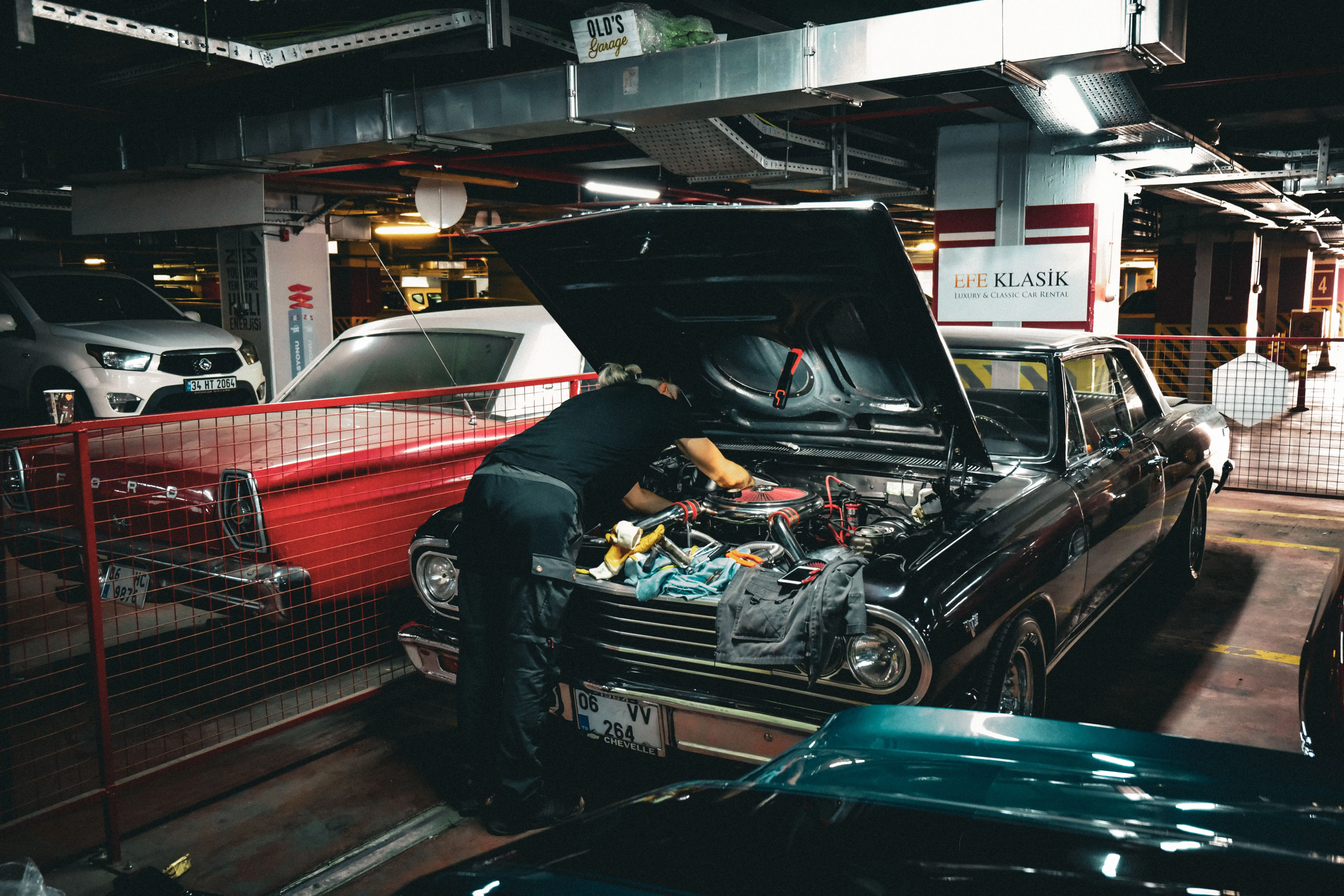
2. Managing the Coolant Loop
An engine generates enough raw kinetic heat to destroy itself within minutes without a fully functional thermal management system. Modern cooling systems rely on an precise 50/50 mix of demineralized water and ethylene glycol coolant base.
The Red Line Warning: Never, under any circumstances, undo a radiator cap or expansion tank cap while the engine is hot. The system operates under intense hydraulic pressure; opening it will release scalding coolant steam instantly.
Inspect your plastic expansion reservoir tank monthly. If you notice the fluid dropping below the “Min” mark without an obvious external puddle, you may be dealing with a slow internal leak, such as a weeping water pump gasket or a failing radiator hose.
3. Brake Fluid and Hydraulic Health
Brake fluid is hygroscopic, meaning it actively absorbs ambient moisture out of the atmosphere over time. As moisture content within the hydraulic lines increases, the boiling point of the fluid drops significantly.
Under heavy, prolonged braking conditions such as driving down a steep mountain pass or pushing hard on a local track day moisture trapped in the lines can literally boil into gas bubbles. Because gas compresses while fluid does not, this creates a terrifying “spongy” brake pedal feel and a massive loss of stopping power. Ensure your hydraulic brake system is fully flushed and replaced with fresh DOT 4 or DOT 5.1 fluid every two years, regardless of the total kilometres driven.