


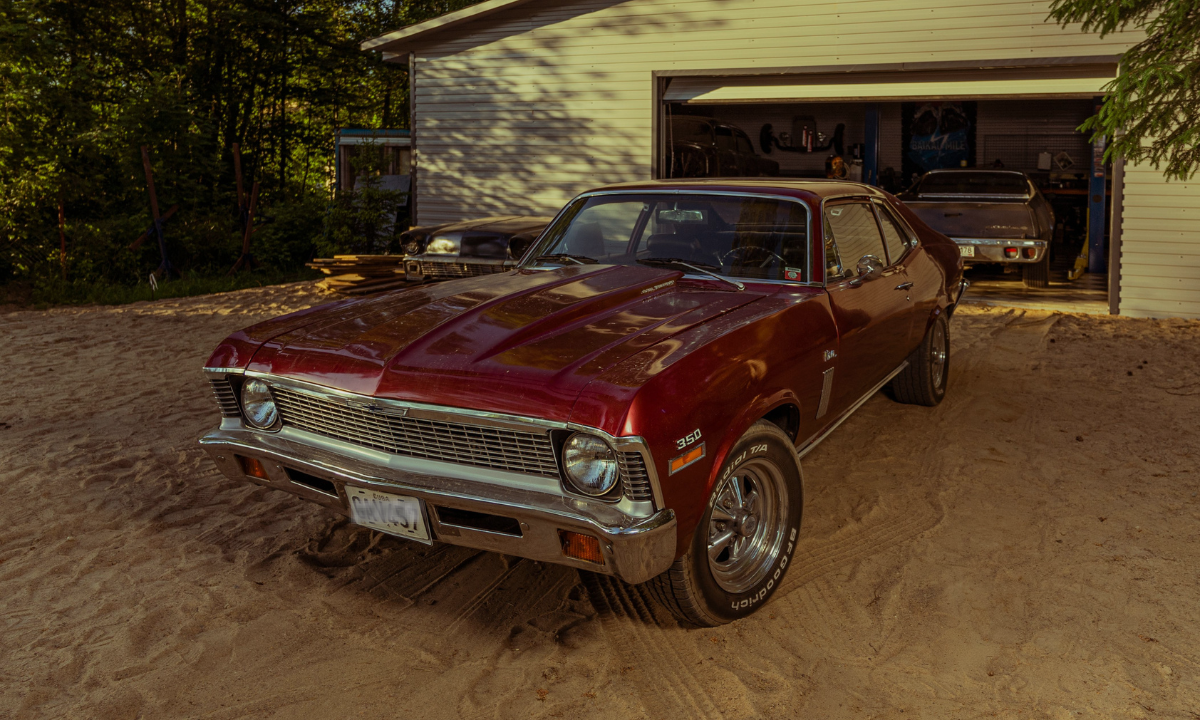

Australia’s automotive golden era the 1960s and 1970s produced some of the world’s most distinctive muscle cars. Holden Monaro, Ford XB Falcon GT and Chrysler E49 Charger represent a unique heritage where Australian engineering met American muscle philosophy. For collectors, these vehicles represent genuine investment opportunities. This guide examines valuations, rarity, investment potential and acquiring strategies for Australia’s most iconic muscle cars.
The Market Context: Why Australian Muscle Matters
Australian muscle cars occupy a curious position globally. Overseas enthusiasts recognize their mechanical significance particularly Holden’s V8 engineering innovations. Yet Australian ownership represents cultural connection to national automotive identity. This dual appeal heritage significance plus practical performance supports strong valuations.
The 2026 market reveals notable appreciation for genuinely rare variants and documented provenance vehicles. Generic examples appreciate moderately; exceptional specimens command premium multiples.
Holden Monaro: Australia’s Supercar
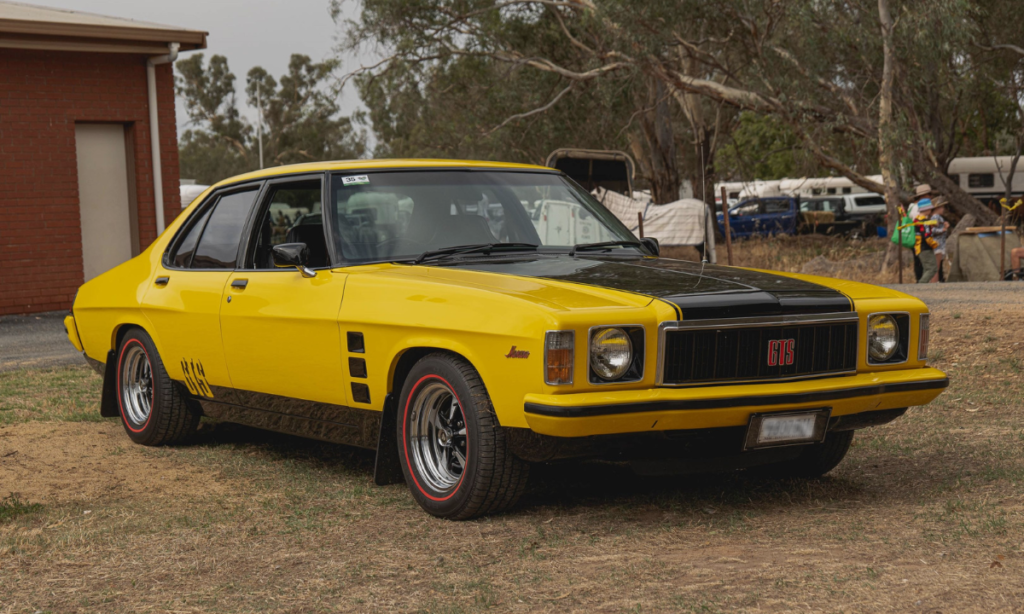
The Holden Monaro (1968-1974) represents Australia’s genuine performance car success story. Created from Chevrolet architecture adapted for Australian conditions, Monaros delivered accessible V8 performance across multiple generations.
Valuation Analysis (2026):
– Standard 1970 HG Monaro 307: $35,000-$55,000
– Racing-prepared or documented competition cars: $75,000-$150,000
– Ultra-rare two-door prototypes: $180,000+
Investment Appeal:
Monaro values appreciate steadily (8-12% annually) particularly for examples with documented racing history, matching numbers engines, or low production examples. The 1971 HT Monaro GTS 350 specifically commands premium valuations due to limited production (1,016 examples).
Acquisition Strategy:
Purchase Monaros with complete service history and original paperwork. Racing provenance genuine competition history with documentation justifies significant premiums. Avoid heavily modified examples unless restoration to original specification is planned.
Ford XB Falcon GT: Australia’s Colossus
The Ford XB Falcon GT (1973-1976) represents the absolute peak of Australian high-performance manufacturing. Delivering 335kW from its 5.8L Cleveland V8 (genuine measurement, not optimistic marketing), the XB GT dominated Australian racing and street performance.
Valuation Analysis (2026):
– Standard 1975 XB Falcon GT: $45,000-$65,000
– Documented race cars with provenance: $85,000-$180,000
– Joss Clubman conversions or rare variants: $120,000-$200,000+
Investment Appeal:
XB Falcon GT valuations outperform most classics, appreciating 10-15% annually particularly for matching-numbers examples. The XB’s motorsport significance genuine racing competition history justifies investment confidence. These vehicles genuinely performed, unlike some “muscle” cars based on styling alone.
Acquisition Challenges:
Genuine XB Falcon GTs are increasingly rare with original panels and legitimate matching-numbers powertrains. Many surviving examples suffered modification or accident damage requiring substantial restoration. Verify build records XB Falcon GT VIN sequences documented extensively by enthusiast communities enable provenance confirmation.
Chrysler E49 Charger: Undervalued Heritage
The Chrysler E49 Charger (1971-1972), Australian-built adaptation of American Dodge Charger, delivered genuine muscle car performance with Australian engineering refinement. Yet collector valuations lag comparable Fords and Holdens, creating potential opportunity.
Valuation Analysis (2026):
– Standard 1971-72 E49 Charger: $28,000-$45,000
– Race-prepared or documented competition examples: $60,000-$90,000
– Rare 318 V8 or R/T specification: $50,000-$80,000
Investment Appeal:
E49 Chargers represent undervalued entry points to Australian muscle car collecting. Valuations typically appreciate 6-8% annually. Their scarcity only 2,267 examples produced across both model years ensures ongoing collector interest. As awareness of Australian automotive heritage grows, expect revaluation.
Risk Considerations:
E49 values trail comparable performance vehicles, potentially indicating overlooked collector enthusiasm. Alternatively, market assessment may reflect genuine appreciation differences. Research specific examples thoroughly before major investment commitments.
Market Trends Shaping Valuations
Provenance Premium: Documented racing history, matching-numbers engines and complete service records command 30-50% valuation premiums. Vehicles with anonymous modification histories appreciate slowly.
Restoration Economics: Full-frame restoration (15,000+ hours, $80,000-$150,000 labor) rarely achieves full cost recovery. Quality restorations should exceed $200,000 total investment for justified valuations. Driver-quality examples perform better investment-wise than exhaustive restorations.
Geographic Variation: Melbourne and Sydney command higher prices for Australian classics versus regional Australia. Interstate relocation may require 15-25% valuation adjustments.
Supply Scarcity: Years of export demand for right-hand-drive classics reduced Australian supply. Appreciate remaining examples accordingly.
Acquisition Strategies
Purchasing Approaches:
1. Direct Private Sales: Research comparable sales (SMSF valuations, auction results), negotiate 10-20% below asking.
2. Auction Houses: Lloyds, Shannons, RM Sotheby’s provide transparent pricing and documented condition.
3. Specialist Dealers: Higher prices offset by warranty assurance and professional restoration verification.
Due Diligence Essentials:
– Professional pre-purchase inspection ($300-500)
– NRMA or similar inspection for structural/mechanical assessment
– VIN verification through national databases
– Service history examination
– Ownership documentation back 5+ years
The Verdict
Australian muscle cars from the 1960s-70s represent genuine investment opportunities for collectors combining mechanical appreciation with heritage passion. Holden Monaros and Ford XB Falcons offer proven appreciation trajectories. Chrysler Chargers offer undervalued entry points. Success requires authentic provenance, realistic restoration expectations and patience these vehicles appreciate steadily rather than dramatically. The best investment? The car that personally resonates. Passion sustains ownership through flat markets. Valuations follow.