


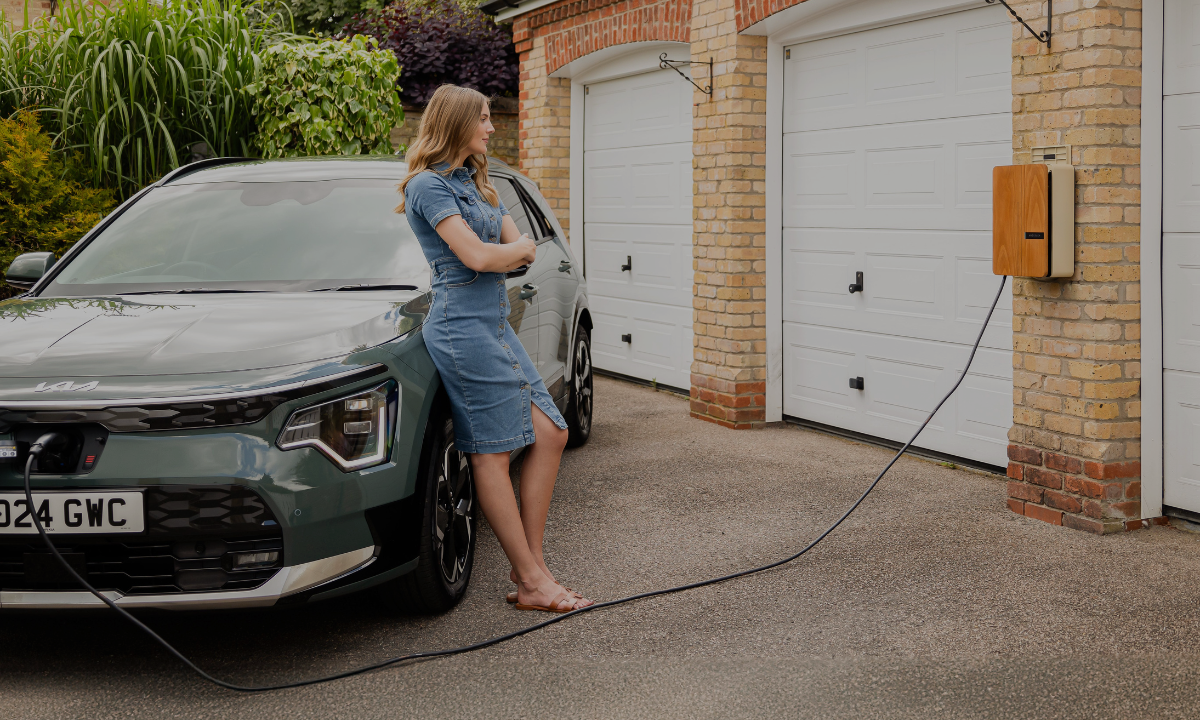

Home Charging: The Most Affordable Option
For Australian EV owners with access to home charging, the economics are compelling. At the average Australian residential electricity rate of $0.33 per kilowatt-hour in 2026, charging a typical 60 kWh EV battery from 10% to 100% costs approximately $17.82. That translates to roughly $4–5 per 100 kilometres.
Compare that to petrol: A typical petrol vehicle achieving 8 litres per 100km costs $15–18 per 100km at current Australian fuel prices. Home charging offers 70–80% savings compared to petrol.
Wall Box Installation Costs
Installing a home charging wall box costs $1,800–$3,500 all-inclusive in Australia. This investment typically pays for itself within 2–3 years for high-mileage drivers (15,000+ km annually), making it a sensible upfront investment if you have off-street parking.
Wall boxes deliver faster charging than standard household outlets. Level 2 chargers (7–11 kW) add 20–30 km of range per hour of charging, while standard outlets (2.4 kW) add 5–8 km per hour. For daily commuting, overnight charging with a wall box ensures you start each day with a full battery.
Public Charging: Fast But Pricier
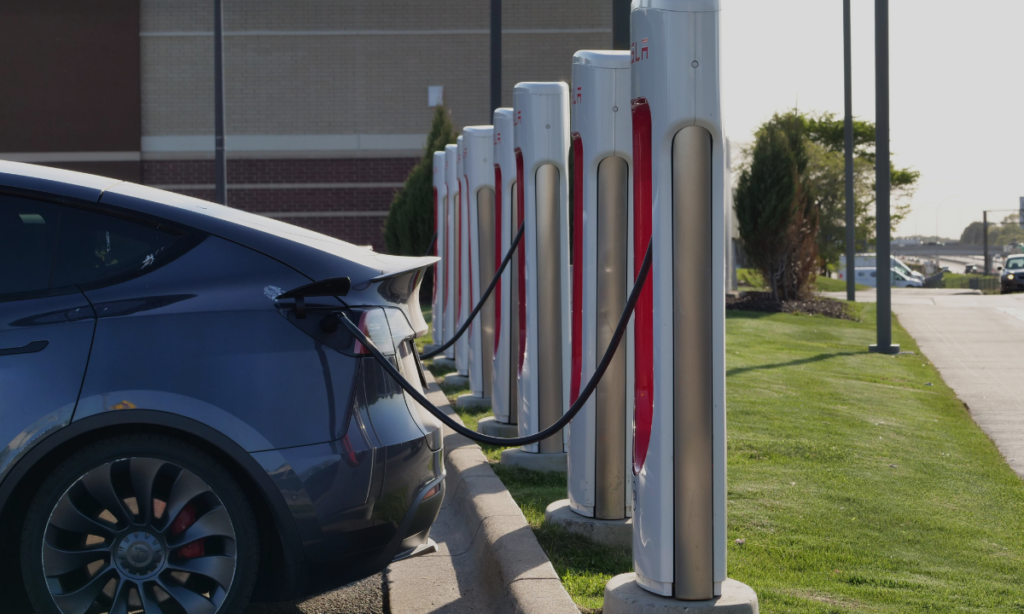
Public DC fast-charging networks span Australia’s major corridors, with pricing ranging from $0.40–$0.65 per kWh. On a 60 kWh EV battery charged from 10% to 100%, this equates to $24–$39 per charge roughly $6–10 per 100 kilometres.
Public charging makes sense for long-distance travel, but using it daily significantly increases running costs compared to home charging. For the average Australian commuter, home charging remains the financially rational choice.
Regional Variations and Infrastructure
NSW leads the nation with over 1,800 public charging locations, including more than 280 DC fast charger sites. The state’s Electric Vehicle Charging Master Plan specifically targets regional highways and tourist routes, ensuring cross-state travel remains feasible.
Australia now has over 5,800 public charging locations nationally. The Australian Government’s National Electric Vehicle Strategy commits over $500 million to charging infrastructure by 2030, with emphasis on filling coverage gaps in regional and remote areas. This investment, combined with private sector expansion, is expected to double DC fast charger sites by 2028.
Solar Charging: The Hidden Advantage
For Australian homeowners with rooftop solar, EV charging economics improve dramatically. Even accounting for solar feed-in tariffs forgone by using self-generated electricity (typically $0.05–$0.10 per kWh), solar charging saves 70–85% compared to grid electricity rates.
A typical 6 kW solar installation costs $8,000–$12,000 installed and produces sufficient energy for charging most EVs during daylight hours. Combined with a battery storage system ($10,000–$15,000), you gain additional flexibility and resilience. For solar-equipped households, EV charging costs can drop to $1–2 per 100 kilometres during sunny months.
This combination home wall box, solar panels and battery storage represents Australia’s most economical EV ownership model.
State-Based Electricity Rates
Electricity costs vary across Australian states, affecting charging economics:
NSW/ACT: $0.31–$0.35/kWh (competitive)
Victoria: $0.30–$0.34/kWh (competitive)
Queensland: $0.28–$0.32/kWh (lowest rates)
WA: $0.32–$0.36/kWh (slightly higher)
SA: $0.35–$0.40/kWh (highest, due to reliance on renewables)
South Australian EV owners face higher charging costs but also benefit from Australia’s highest solar feed-in tariffs ($0.08–$0.12/kWh), making solar systems even more attractive.
Charging Strategy for Australian EV Owners
Daily Commuting
If you drive less than 250 km daily, home charging overnight covers your needs. Cost: $4–5 per 100 km.
Regional Travel
Plan longer journeys around public DC fast-charger locations (available on all major routes). Budget 30–45 minutes for 80% charge. Cost: $7–10 per 100 km.
Long-Distance Road Trips
Combine home-charged starting battery with public charging at strategic rest points. Route planning apps increasingly integrate charging locations, simplifying logistics.
Cost Optimisation
Investigate off-peak charging rates. Many electricity retailers offer cheaper rates during off-peak hours (typically 9pm–7am). Delaying non-urgent charging to these periods further reduces costs.
The Verdict
EV charging costs in Australia depend entirely on your charging approach. Home charging with standard grid electricity costs $4–5 per 100 kilometres 80% cheaper than petrol. Add solar generation and costs drop to $1–2 per 100 kilometres during sunny months.
Public DC fast charging remains expensive at $6–10 per 100 km, but networks are expanding rapidly. The government’s commitment to 5,800+ public charging locations by 2028 means Australia’s EV infrastructure will increasingly support long-distance driving.
For potential EV buyers, the message is clear: home charging with a wall box ($1,800–$3,500 installed) is the economic foundation of EV ownership. Solar systems amplify those savings. Combined, they position electric vehicle ownership as genuinely cheaper than traditional petrol cars even before government incentives.
Quick Charging Cost Reference (60 kWh Battery)
| Charging Method | Cost/kWh | Full Charge Cost | Cost/100km |
| Home grid (avg rate) | $0.33 | $17.82 | $4–5 |
| Home + solar | $0.08–$0.12 | $4.80–$7.20 | $1–2 |
| Public DC fast | $0.40–$0.65 | $24–$39 | $6–10 |
| Petrol equivalent | | | $15–18 |