


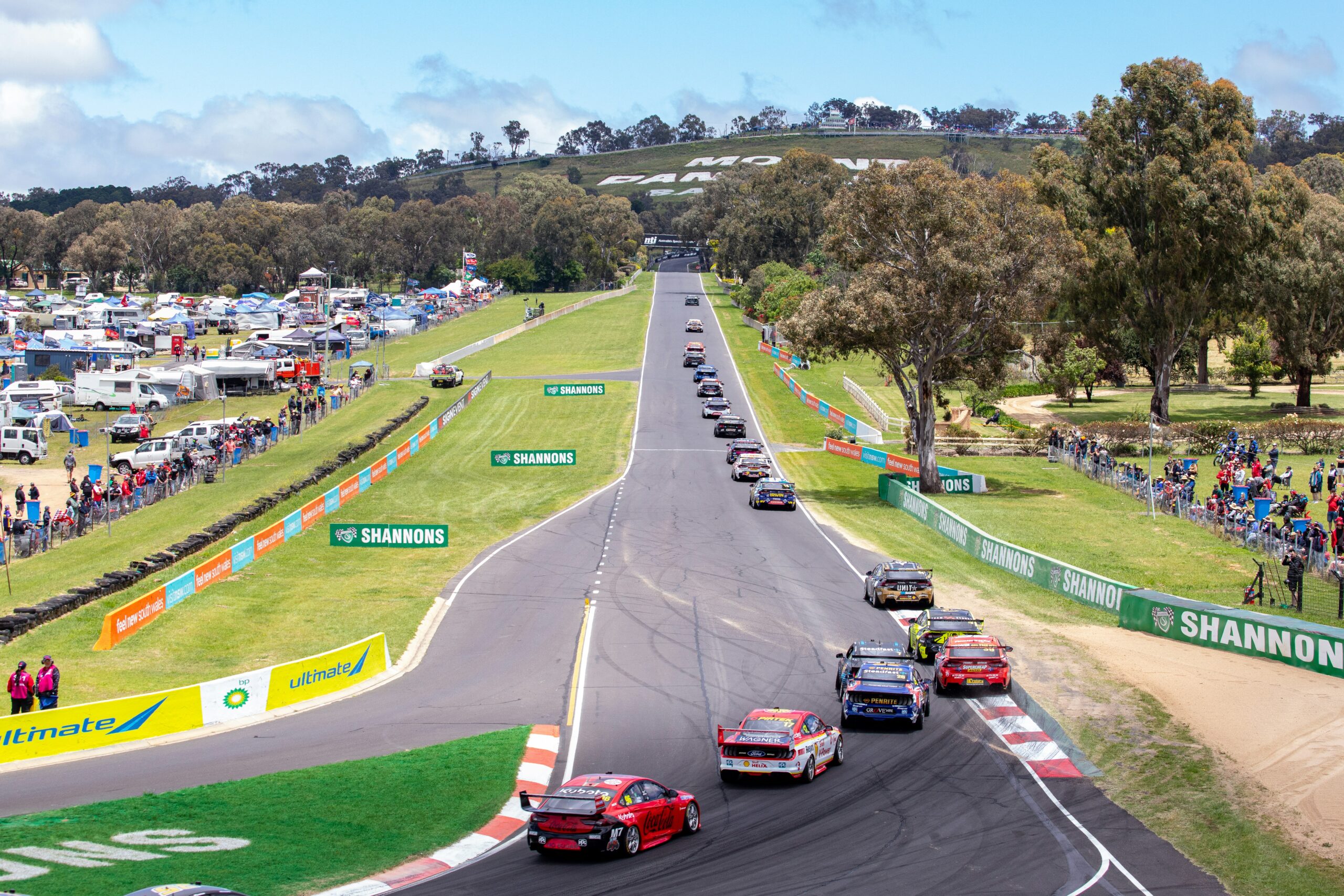

Australian motorsport thrives across multiple competitive levels. From Mount Panorama’s legendary 1000 through grassroots club racing, motorsport culture remains vibrant national passion. 2026 landscape reflects continued evolution and strengthened competitive foundation.
Supercars Championship Overview
The Repco Supercars Championship represents Australian professional motorsport pinnacle V8 touring car racing combining mechanical excellence, driver skill, and strategic complexity.
2026 season characteristics: The championship continues V8-dominant format, though hybrid powertrains and performance regulations continuously evolve. Field typically comprises 26-32 competitive entries across multiple manufacturer teams primarily Holden and Ford with emerging Nissan presence.
Competitive structure: Teams operate under budget caps encouraging competitive balance. Manufacturer and engine supplier restrictions level playing field, emphasizing driver skill and team strategy over pure budget advantage.
Schedule and venues: Calendar spans 13-14 rounds across diverse Australian venues urban street circuits (Adelaide, Melbourne CBD, Sydney), purpose-built racing circuits (Bathurst, Winton, Beale), and international alternates (occasionally overseas races).
Key 2026 Developments
Technical regulations: Evolving regulations balance performance maintenance with emissions compliance. Hybrid components increasingly integrated while preserving signature V8 character fans demand.
Manufacturer involvement: Ford’s Mustang platform continues representing American motorsport presence. Holden’s post-production period sees private teams maintaining competition. Nissan represents emerging force in Australian touring car racing.
Driver development: Australian drivers continue demonstrating international competitiveness. Championships export talent to international series (Formula 1, IndyCar, Le Mans) providing career pathways rewarding excellence.
Grassroots Racing Opportunities
Motorsport Australia operates 600+ affiliated clubs facilitating racing across all skill levels. Genuine racing remains accessible for committed enthusiasts.
Club racing structure:
– Motorkhanas: Low-speed skill tests featuring tight courses, obstacle navigation, time-trial format
– Regularity events: Consistent pace driving maintaining specific speeds
– Sprint racing: High-speed circuit competitions at dedicated racing facilities
– Track days: Non-competitive circuit driving developing skills
– Road rallies: Timed navigation events on closed roads
Participation levels: Entry costs range from $500 (motorkhana participation) to $5,000+ (competitive sprint series). Equipment requirements scale with commitment level motorkhana requires functional vehicle; competitive racing demands specialized equipment.
Progression pathway: Enthusiasts typically begin with motorkhana or track days, progressing toward club racing with accumulated skill and confidence. Dedicated drivers advance toward state and national championships.
International Competitiveness
Australian motorsport produces competitive talent regularly competing internationally.
Formula 1 representation: Oscar Piastri (McLaren), Alex Peroni (feeder series), and emerging junior talents demonstrate continued pipeline producing world-class drivers. Australian racing culture emphasizes fearless commitment rewarding international success.
Touring car championships: Australian drivers dominate Asia-Pacific touring car series, frequently competitive in international endurance racing (Le Mans 24 Hours, Asian Le Mans Series).
Performance metrics: Australian drivers consistently achieve podium finishes in international competition, validating domestic racing environment producing genuinely competitive talent.
Venue and Infrastructure Development
Modern facilities: Australian racing circuits continue infrastructure investment. Bathurst undergoes regular facility upgrades enhancing spectator experience and safety standards. Eastern Creek (Sydney Motorsport Park) features competitive infrastructure attracting diverse motorsport categories.
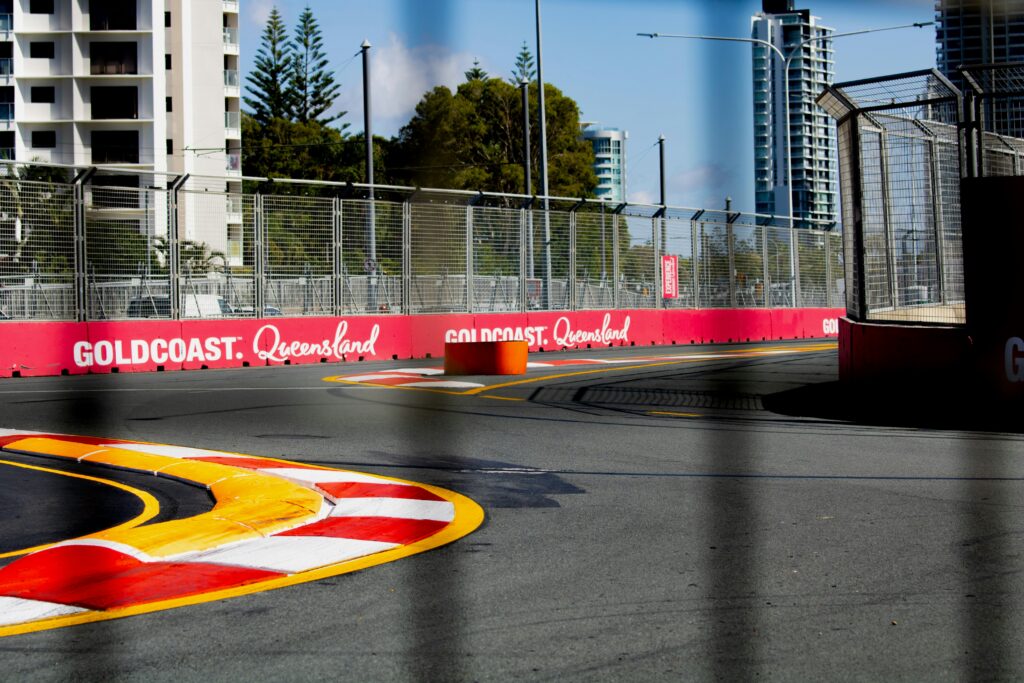
Street circuit development: Urban venues (Adelaide, Melbourne CBD, Gold Coast) provide unique racing experiences while delivering major tourism and economic benefits to host cities.
Regional racing: Regional clubs operate smaller circuits (Lakeland in Vic, Tattersalls in Qld) maintaining grassroots racing opportunities across country.
Racing Series and Championships
National championships:
– Supercars Championship (V8 touring cars)
– Porsche Carrera Cup (single-marque specification racing)
– Kumho V8 Touring Cars (budget alternative to Supercars)
– Australian Production Car Series (road car-based racing)
– Formula Ford/Formula 3 (junior single-seater series)
Specialty championships:
– Historic/classic racing series
– Motorcycle racing series
– Off-road racing competitions
– Drag racing championships
Facility and Safety Standards
Continuous improvement: Australian racing circuits maintain high safety standards reflected through FIA (Fédération Internationale de l’Automobile) certifications where applicable. Capital investment addresses safety barriers, run-off areas, and emergency infrastructure.
Medical facilities: Major events feature medical centers with trauma specialists, emergency helicopter access, and comprehensive injury management capabilities.
Driver education: Mandatory driver education sessions emphasize racecraft, safety awareness, and responsible competitive conduct.
Economic and Cultural Impact
Major events: Mount Panorama’s Bathurst 1000 generates $50-$75 million economic impact through tourism, accommodation, food/beverage, and entertainment spending. Similar benefits accrue to Adelaide and Melbourne events hosting street circuit racing.
Employment and specialist industries: Motorsport creates employment across mechanics, engineers, fabricators, drivers, team managers, and media personnel. Supporting industries (fuel suppliers, tire specialists, electronics providers) generate broader economic activity.
Cultural significance: Motorsport remains deeply embedded in Australian identity. Bathurst represents national event rivaling major sporting occasions. Grassroots racing communities maintain passionate participant base spanning generations.
Future Outlook
Electric racing: Australian motorsport gradually introduces electric racing opportunities. Formula E franchise discussions and EV racing series development signal industry evolution toward electrification reflecting broader vehicle market transformation.
Sustainability focus: Circuits emphasize environmental responsibility through energy efficiency, waste reduction, and carbon offset initiatives.
Inclusion initiatives: Motorsport organizations increasingly promote female participation, LGBTQ+ inclusion, and culturally diverse community engagement.
The Verdict
Australian motorsport thrives across professional and grassroots levels. Supercars Championship maintains competitive excellence while grassroots clubs democratize racing opportunity. International driver export validates domestic environment producing world-class talent. Facilities continue modernizing, safety standards remain high, and cultural passion remains strong. For competitors and spectators, 2026 Australian motorsport landscape offers unprecedented opportunity and engagement across racing spectrum.
Australian Motorsport Highlights (2026)
– Supercars Championship: 13-14 rounds, multiple manufacturers, national competition
– Bathurst 1000: October 8-11, iconic endurance race, Mount Panorama
– Bathurst 12 Hour: February 13-15, international GT racing
– Grassroots opportunities: 600+ affiliated clubs, motorkhana through competitive racing
– Major venues: Mount Panorama, Eastern Creek, Adelaide Parklands, Melbourne CBD
– Driver pipeline: Australian talent regularly competing internationally across series
The Verdict
Australian motorsport represents vibrant competitive ecosystem spanning professional excellence to grassroots community engagement. Bathurst traditions endure while grassroots racing democratizes opportunity. Competitive talent continues international representation. 2026 landscape offers genuine opportunity for spectators and participants across motorsport spectrum.