


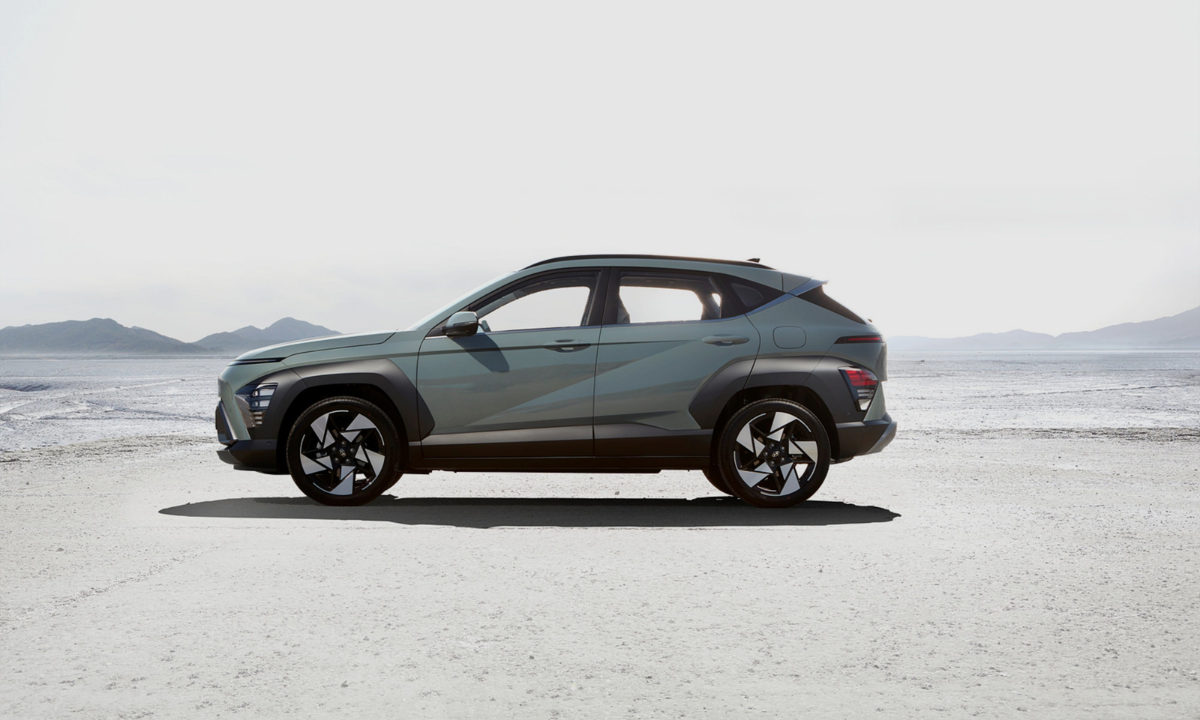

The compact SUV segment dominates Australia’s vehicle preferences. Families seek practical space, commanding driving positions and modern technology without premium pricing. The $30,000-$50,000 range offers genuinely competitive options, each with distinct strengths. This guide examines 2026’s leading compact SUVs, helping buyers navigate specifications, pricing and real-world value.
Hyundai Kona Electric: The EV Disruptor
The Hyundai Kona Electric represents Australian buying power’s shift toward electrification. The latest 2026 model offers genuine practical range at surprisingly accessible pricing, with a $48,900 starting price for the Standard Range variant.
Strengths:
– 401km stated range (WLTP)
– Fast 7.2kW home charging
– 10-year/160,000km battery warranty
– Competitive fuel cost ($0.04/km electricity estimated)
– Modern infotainment and safety systems
Considerations:
– Charging infrastructure still developing in regional Australia
– Reduced interior space compared to traditional SUVs
– Resale values for older EVs remain uncertain
The Kona Electric suits urban/suburban buyers with predictable commute patterns. For long-distance families, traditional combustion options remain practical.
Mazda CX-5: Reliability Meets Refinement
Mazda’s CX-5 remains Australia’s compact SUV benchmark for balanced performance. The 2026 refresh maintains its core appeal: refined driving dynamics, bulletproof reliability and genuine interior quality.
Strengths:
– Industry-leading reliability ratings (minimal warranty claims)
– Smooth 2.5L naturally aspirated engine (187kW)
– Comfortable, practical interior
– Competitive pricing ($42,000-$48,000 depending on trim)
– Excellent fuel economy (7.2L/100km combined)
Considerations:
– Aging platform (architecture unchanged since 2018)
– Less interior technology than newer competitors
– Modest warranty (5 years/unlimited km) versus competitors
Mazda CX-5 buyers prioritize dependable transportation and driving satisfaction over technological novelty. It’s Australia’s default compact SUV choice for good reason: it simply works.
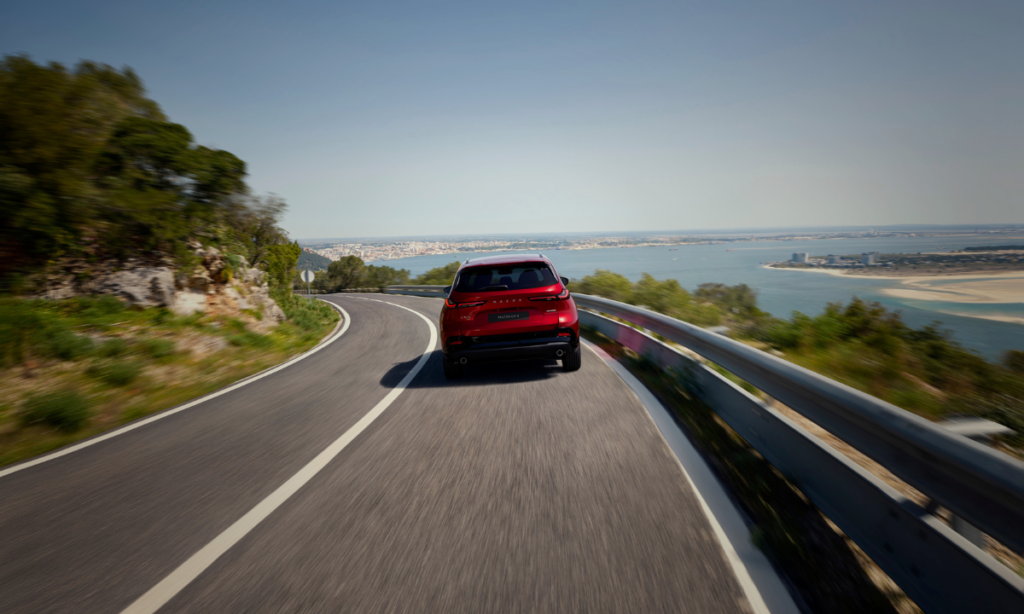
Kia Niro: Hybrid Practicality for Fuel Efficiency
Kia’s Niro offers unique positioning: hybrid powertrain efficiency without full electrification complexity. The 2026 generation combines a 1.6L turbocharged engine with electric motors, delivering impressive fuel economy without charging dependency.
Strengths:
– Genuine hybrid efficiency (5.8L/100km combined)
– Excellent warranty (7 years/unlimited km)
– Spacious interior, practical seating for five
– Advanced safety technology standard
– More affordable than electric alternatives ($40,000-$47,000)
Considerations:
– Hybrid complexity adds maintenance considerations
– Less performance than turbo-equivalent vehicles
– Smaller cargo space than traditional SUVs (shares platform with Cerato sedan)
The Niro suits buyers wanting efficiency without pure EV commitment. It bridges combustion and electric worlds effectively for Australian conditions.
Direct Comparison: Specifications
| Aspect | Kona Electric | CX-5 | Niro |
|——–|————-|——|——|
| Seating | 5 | 5 | 5 |
| Cargo Volume (L) | 476 | 548 | 425 |
| 0-100km/h | 8.0s | 8.5s | 10.1s |
| Fuel/Energy Consumption | $0.04/km (elec) | 7.2L/100km | 5.8L/100km |
| Warranty | 10yr battery | 5yr | 7yr |
| Starting Price | $48,900 | $42,000 | $40,000 |
Real-World Ownership Costs
Annual Electricity (Kona Electric): ~$500 (assuming 15,000km annually, $0.35/kWh)
Annual Fuel (CX-5): ~$2,200 (15,000km, 7.2L/100km, $2.00/litre)
Annual Fuel (Niro): ~$1,800 (15,000km, 5.8L/100km, $2.00/litre)
The Kona Electric’s operational cost advantage is substantial but requires consideration of battery replacement costs (beyond warranty) and potential depreciation uncertainty.
Warranty and Service
Hyundai leads with comprehensive 10-year battery warranty, though out-of-warranty battery replacement could exceed $15,000. Mazda offers industry-standard 5-year coverage but legendary reliability minimizes claims. Kia’s 7-year warranty balances coverage with hybrid complexity manageable expectations.
Service costs favor Mazda and Kia (established dealer networks). Hyundai EV servicing remains developing as technician expertise matures.
Which SUV for Your Situation?
Choose Kona Electric if: You have reliable home charging, urban/suburban driving patterns and embrace EV technology. Environmental commitment matters.
Choose CX-5 if: Proven reliability, excellent driving dynamics and balanced specification justify modest extra cost. You prioritize peace of mind and low-drama ownership.
Choose Niro if: Efficiency matters significantly, you want hybrid benefits without pure-EV commitment and warranty duration influences your buying decision.
The Verdict
Australia’s compact SUV segment offers no wrong answers in this $40,000-$50,000 range. Each vehicle represents genuine value from established manufacturers. The Hyundai Kona Electric appeals to forward-thinking buyers embracing electrification. The Mazda CX-5 rewards those valuing reliability above all else. The Kia Niro serves practical buyers seeking optimal fuel efficiency without pure-EV complexity. Your choice reflects priorities technology, reliability, or efficiency. Each delivers meaningfully within its category.