


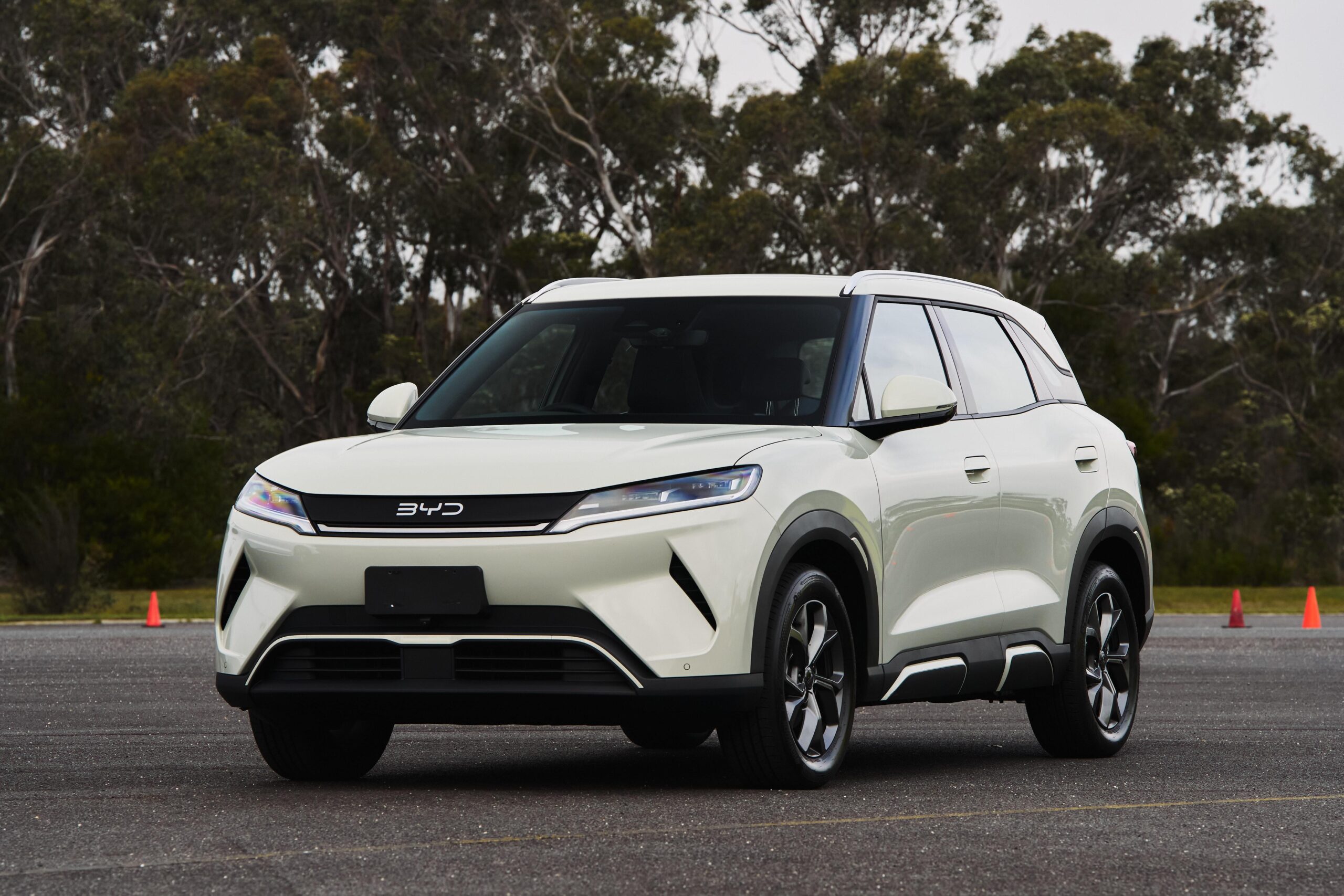

Australia’s electric vehicle market is experiencing a seismic shift in 2026 and the catalyst is unmistakable: Chinese manufacturers. While Tesla dominated early EV conversations, brands like BYD, MG Motor and Chery are now capturing unprecedented market share with vehicles that undercut established competitors on price while matching or exceeding their capabilities. Understanding this market transformation is crucial for buyers considering their next vehicle purchase.
The Numbers Tell a Clear Story
The 2026 Australian automotive market reveals a stark reality. EVs and plug-in hybrids now represent over 46% of total new vehicle sales, a dramatic jump from previous years. Within this segment, Chinese brands command an expanding territory. BYD’s Yuan Plus (sold as Atto 3 in Australia) consistently ranks among Australia’s top 10 best-selling vehicles, often outselling comparable Tesla models on unit volume.
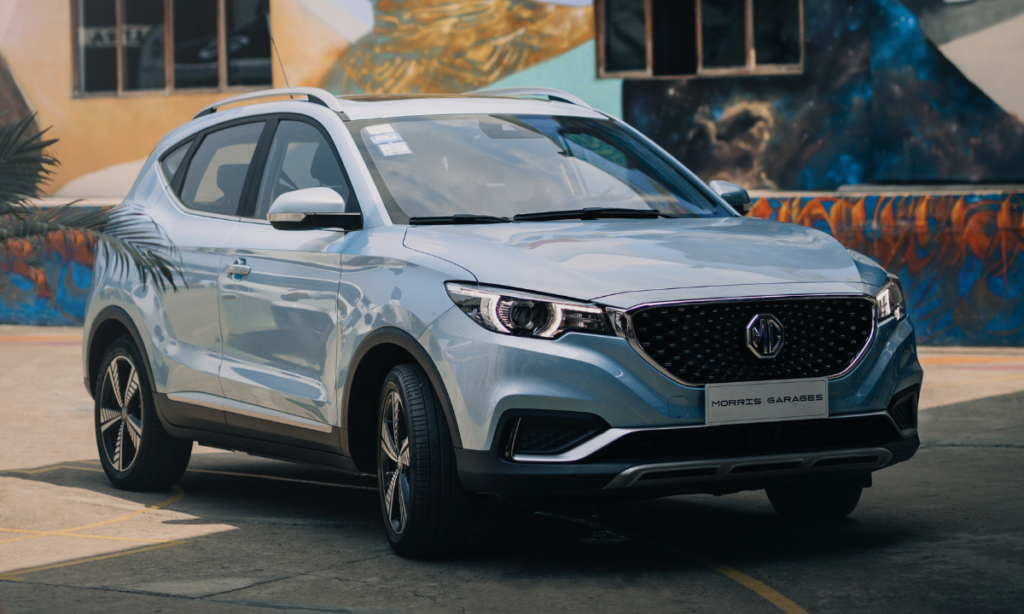
MG Motor Australia reports year-to-date sales growth exceeding 80% compared to 2025, driven primarily by their ZS EV and new Cyberster sports car launch. Chery’s presence, once negligible in the Australian market, has grown substantially with their eQ5 SUV and upcoming QQ Ice Ice EV targeting first-time EV buyers and young families seeking affordable electrification.
Why Affordability Matters More Than Brand Heritage
The traditional automotive calculus has shifted. Australian buyers historically prioritized brand recognition and heritage values embedded in Holden and Ford loyalty. Today’s market rewards different virtues: accessible pricing, modern technology and practical range.
A BYD Atto 3 Standard Range delivers 401-kilometer EPA range with a starting price around $45,000 AUD. Compare this to Tesla Model 3’s entry variant at $65,000+ and the value proposition becomes undeniable. For families replacing their combustion vehicle, Chinese EVs represent genuine affordability without significant compromise on features or charging infrastructure compatibility.
MG’s ZS EV pricing sits even more aggressively in the sub-$40,000 bracket, making EV ownership accessible to demographics previously priced out of electrification. This democratization of electric vehicles represents a fundamental market restructuring.
Technology: Surprising Parity in Features
Dismissing Chinese EVs as “cheap knockoffs” ignores manufacturing realities. BYD manufactures more batteries than any global competitor and brings this vertical integration advantage to consumer vehicles. Their Blade Battery technology, featured in Australian models, demonstrates genuine engineering differentiation not merely cost-cutting.
MG’s latest models incorporate ADAS (Advanced Driver Assistance Systems), over-the-air update capability and competitive infotainment systems. Chery’s QQ Ice EV, targeting younger buyers, includes smartphone integration and modern UX design rivaling established competitors.
Feature parity at lower price points fundamentally disrupts market incumbents. Buyers increasingly question paying $30,000-40,000 premium for brand recognition when alternative offerings match capabilities substantially.
Charging Infrastructure: The Silent Enabler
Chinese EV competitiveness depends partly on Australia’s maturing charging ecosystem. The rollout of ultra-rapid DC fast chargers across major highways and urban centers removes previous range anxiety barriers. Tesla’s Supercharger network remains extensive, but third-party networks now offer comparable coverage in populated regions.
Chinese-branded vehicles utilize standard CCS charging protocols, ensuring full compatibility with Australia’s evolving infrastructure. This standardization removes previous disadvantages Chinese entrants faced when EV charging networks were Tesla-dominated.
Supply Chain Advantages
Chinese manufacturers benefit from proximity to battery manufacturing, critical mineral processing and semiconductor supply chains. Geopolitical tensions and Western supply chain fragmentation, evident in 2026, inadvertently advantage Chinese producers with integrated supply ecosystems.
This structural advantage translates to inventory availability and production capacity. While European and American manufacturers navigate semiconductor constraints and battery material shortages, Chinese brands maintain production momentum, allowing faster market response to demand surges.
The Local Market Response
Traditional Australian automotive dealership networks struggle adapting to this transformation. Franchised dealers built business models on service revenue and parts markup models challenged by EV simplicity. Chinese brands, entering the market without entrenched dealer networks, leverage direct sales models and online purchases, reducing overhead and enabling aggressive pricing.
This distribution innovation particularly appeals to digitally native buyers and those skeptical of traditional dealership experiences.
Looking Forward: Market Consolidation Ahead
The 2026 Australian EV market isn’t settled. Established competitors (Volkswagen, Hyundai, Kia) possess engineering heritage and global resources Chinese brands cannot easily replicate. However, market momentum clearly favors affordability and accessibility virtues Chinese manufacturers have optimized.
Expect continued Chinese market share growth through 2026-2027, with stabilization likely as premium segments remain dominated by Tesla and European luxury brands. The real disruption targets volume segments and first-time EV buyers precisely where Chinese brands concentrate investment.
The Verdict
Australia’s 2026 EV market reflects global electrification realities: Chinese manufacturers have evolved from budget players to legitimate competitors offering genuine value. Dismissing them based on heritage ignores market fundamentals. For Australian buyers, especially those prioritizing affordability and modern technology, Chinese EVs merit serious consideration. The market has spoken and it’s speaking Chinese-accented English.