




Passionate car enthusiasts often recognize shared interests in their local communities—people seeking camaraderie beyond solitary ownership. Starting a formal car club channels this passion into organized community. Understanding registration, legal structures, insurance, and practical operations enables successful club establishment and sustainability.
Step 1: Define Club Purpose and Target Community
Clarity Defines Viability: Establish explicit purpose before formal registration.
Common Club Models:
– Make-Specific Clubs: Enthusiasts united by vehicle brand (eg. Holden, Toyota, Porsche clubs)
– Type-Specific Clubs: Organized around vehicle category (muscle cars, classics, performance vehicles)
– Geographically-Defined Clubs: Regional area focus (suburbs, local communities)
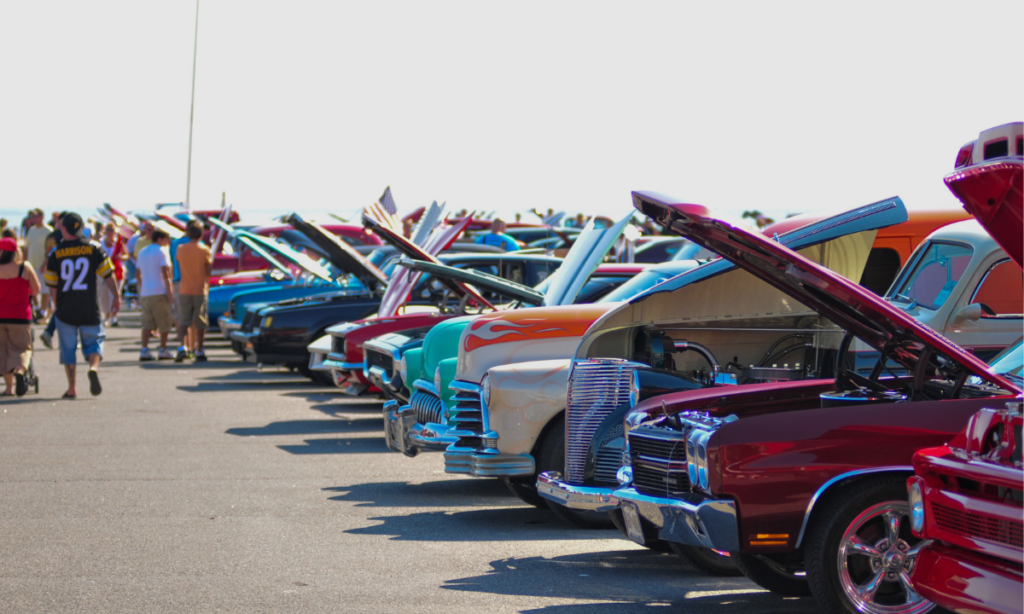
– Activity-Focused Clubs: Organized around events (drag racing, autocross, show cars)
– All-Make Clubs: Diverse enthusiast community appreciating automobiles broadly
Identify unmet local needs. Successful clubs fill genuine community gaps. If Holden enthusiasts in your area have no gathering space, Holden club fills actual need.
Step 2: Establish Core Committee
Founding Team: Recruit 3-5 co-founders sharing vision and commitment.
Role Division:
– President: Overall leadership, external representation
– Secretary: Administrative tasks, meeting documentation, communications
– Treasurer: Financial management, budget maintenance, payment processing
– Events Coordinator: Meeting and event planning
Distribute responsibilities preventing burnout and promoting shared ownership.
Step 3: Legal Registration and Structure
Incorporation Options:
Incorporated Association (Most Common):
– Register through state-specific incorporated association framework
– NSW: Register with Department of Communities & Justice
– VIC: Register with Consumer Affairs Victoria
– QLD: Register with Office of Fair Trading
Cost: $150-$300 registration fee
Requirements: Constitution documenting club rules, membership structure, financial procedures
Alternate Structure (Informal Club):
Operate without formal incorporation. Simplifies administration but limits liability protection and sponsorship opportunities.
Step 4: Insurance and Liability Protection
Critical Requirement: Formal insurance protects club, committee, and members.
Required Insurance:
– Incorporated Association Liability Insurance: $500-$1,500 annually
– Event Liability Insurance: Required for organized events (drag racing, show events)
– Committee Member Personal Protection: Recommended additional coverage ($200-$400 annually)
Insurance Provider Recommendations:
– Sportsmans Insurance
– RACQ (Queensland)
– NRMA (NSW)
– AAMI
Step 5: Financial Structure and Budget
Typical Annual Budget (20-50 member club):
*Revenue:*
– Membership fees: $30-$50 annually per member = $600-$2,500
– Event fees: Small additional charges ($5-$10 per event)
– Sponsorships: Local businesses sponsoring events/meetings
*Expenses:*
– Incorporated association registration/renewal: $150-$300
– Insurance: $800-$2,000
– Meeting venue rental: $500-$1,500 (if required)
– Event costs (prizes, catering): $1,000-$2,000
– Administrative costs (communications, supplies): $200-$500
Budget Strategy: Aim for surplus enabling fund accumulation for ambitious annual events or social gatherings.
Step 6: Membership Structure
Membership Tiers:
– Standard Member: Regular enthusiasts, $30-40 annually
– Founding Member: Reduced fees or lifetime discounts for early joiners
– Honorary Member: Community contributors, local business supporters
– Junior Member: Under-18 attendees (modified benefits, lower fees)
Membership Benefits:
– Monthly meetings/gatherings
– Event invitations
– Club merchandise/branded items
– Newsletter or communication channel
– Social network among fellow enthusiasts
Recruitment Strategy: Leverage social media (Facebook Groups, Instagram), local car meet attendances, word-of-mouth networking.
Step 7: Regular Meeting Structure
Monthly Meetings (Recommended):
– Location: Local pub, restaurant, park, community center
– Time: 2-3 hours (typically evening)
– Format: Casual gathering with vehicle display, food/drinks, technical discussion
– Agenda items: Member updates, upcoming events, elected business
Virtual Meetings (Post-2020 Normalization):
Hybrid models enable remote participation while maintaining in-person community.
Step 8: Event Planning and Execution
Annual Event Calendar (Sample):
– Monthly casual cruises (June-September)
– Annual show and shine event
– Track day or autocross experience
– Charity/community involvement event
– Annual dinner or social gathering
Event Execution Checklist:
– Venue confirmation 4-6 weeks advance
– Participant communication (email, Facebook, messaging)
– Insurance confirmation for activities
– Food/beverage arrangements
– Equipment/setup requirements
– Post-event reporting and photos
Step 9: Communication Channels
Essential Platforms:
– Facebook Group: Primary community hub (free, accessible, searchable)
– WhatsApp/Telegram: Rapid member communication for event updates
– Email Newsletter: Monthly updates sent via mailing list
– Club Website (optional): More formal club presence
Step 10: Growth and Sustainability
Early Success Metrics:
– 15-25 member enrollment first year (realistic target)
– Monthly meeting attendance (10+ members indicates viability)
– Event participation
– Community feedback/satisfaction
Avoiding Common Failure Points:
– Leadership burnout from overcommitment
– Insufficient communication with membership
– Inadequate financial management creating trust issues
– Inactive club perception requiring revitalization
Sustainability Strategy: Rotate leadership positions annually, recruit rising members for responsibilities, maintain consistent communication, organize regular events.
The Verdict
Starting a local car club requires modest effort, clear vision, and genuine community need. Proper registration, insurance, and financial management establish legitimate operation. Monthly meetings, organized events, and active communication build sustainable community. Resist grandiose ambitions initially—start modest, execute excellently, expand gradually. The most successful clubs combine passion with practical administration. Begin with core committed members, establish clear structure, and grow organically. The car enthusiast community needs more gathering spaces, more shared experience, more genuine connection. Starting a club fulfills that need while creating lasting automotive friendships.