



There was a time when an Australian muscle car wasn’t just loud through its exhaust – it shouted in colour. In the late 1960s and early 1970s, Ford and Holden waged their war not only on the racetracks of Bathurst but across the spectrum, splashing their Falcons, Toranas and Monaros in some of the wildest, most evocatively named factory paint colours the world has ever seen. These weren’t subtle. A young bloke could roll out of the showroom in a car finished in vivid purple, electric pink or fluorescent orange and that colour became as much a part of the car’s identity as the engine under the bonnet.
Today, those original factory hues are a huge part of what makes a genuine survivor car so collectible – and getting the colour and its code right is sacred to restorers. This is our celebration of fifteen of the most iconic Australian muscle car paint colours, the cars that wore them and the stories behind the names.
WHY COLOUR MATTERS TO COLLECTORS
For a genuine muscle car, originality is everything – and that includes its factory paint colour. The build plate (or ‘body tag’) records the original colour code and a numbers-matching car still wearing its as-delivered hue commands a serious premium over one that’s been resprayed a different shade. A wild original colour can add tens of thousands to a car’s value.
The Holden Heroes
General Motors-Holden marketed its early-1970s paint range under the wonderful banner of the ‘Magic-Mirror colour range’ and the names were pure period theatre. Here are the Holden shades that defined an era.
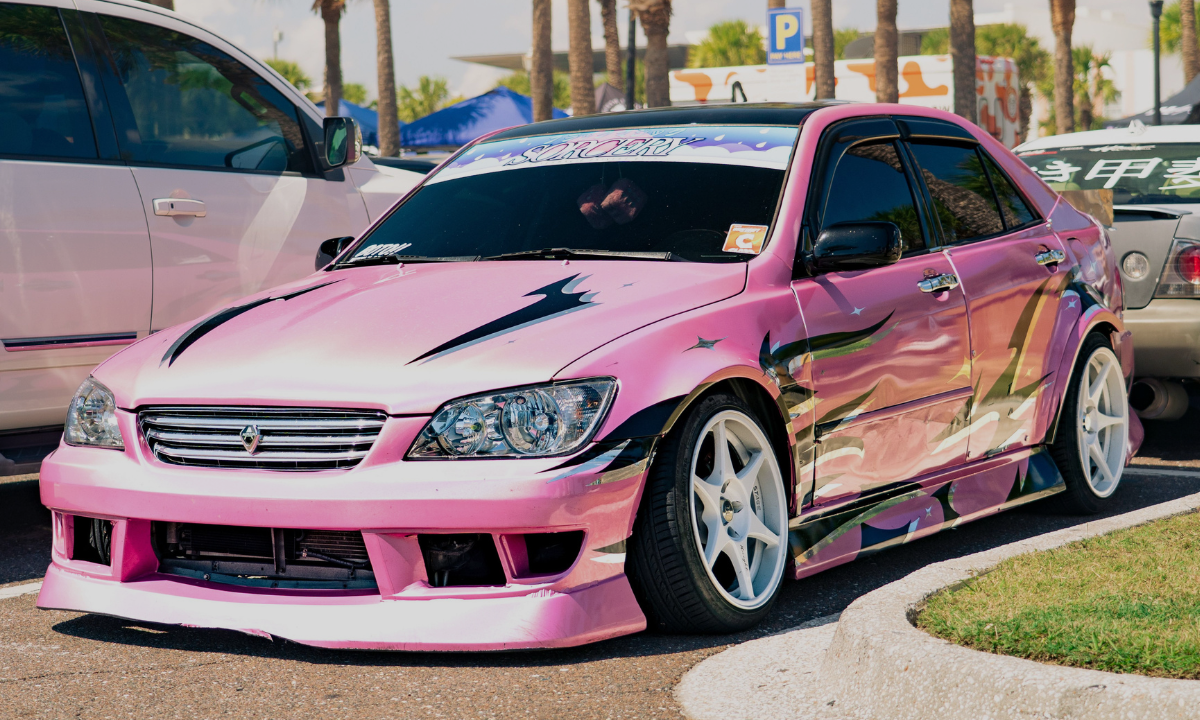
1. Strike Me Pink
Perhaps the most famous wild Holden colour of them all. Strike Me Pink was a bold, unapologetic pink offered around 1972 across much of the range – including the LJ Torana and HQ models. It was a standard catalogue colour rather than a special order, but it was a brave choice in its day and didn’t sell in big numbers, which is exactly why a genuine Strike Me Pink XU-1 or Torana is so prized now. Its rarity and sheer audacity have made it a legend among Holden collectors.
2. March Three (March The 17th)
One of the most curiously named colours in Australian motoring, this vivid green appeared on the famous A619 colour chart of August 1972. The name is a nod to St Patrick’s Day and it remains one of the most talked-about and instantly recognisable Holden greens of the era. Its quirky name and bright tone make it a favourite talking point at any car show.
3. Sebring Orange
A motorsport-inspired orange named after the famous American endurance racing circuit. Sebring had a very limited run – it was offered around 1969 and, according to Holden’s own chart of the time, was reserved for the Monaro GTS. A small number of race-bred L34 cars were also finished in Sebring as special orders. Its competition connection and scarcity give it genuine pedigree.
4. Mandarin Red
A rich, warm red-orange that ran through the mid-to-late 1970s, Mandarin Red was famously one of the last colours used on certain late-build Toranas. It’s a quintessential 1970s Holden hue and a popular choice for restorers chasing an authentic period look.
5. Absynth Yellow
A searing, high-visibility yellow-green that captured the spirit of the early-70s perfectly. Absynth Yellow was the kind of colour that made a Torana impossible to ignore and it remains one of the definitive ‘loud’ Holden shades that enthusiasts immediately associate with the muscle car era.
6. Tuxedo Black
Not every iconic colour was a riot of brightness. Tuxedo Black, which appeared on Holden charts from around 1976, brought a menacing, purposeful look that suited the muscle aesthetic beautifully – proof that sometimes the most aggressive statement is the simplest one. Black has remained a perennial favourite on performance Holdens ever since.
The Ford Falcon Firebrands
Ford Australia answered Holden’s wild palette with names that were every bit as dramatic. The GT and GT-HO Falcons of the XW, XY and XA eras wore some of the most collectible factory colours in the country – and on a genuine GT-HO, the right colour can be worth a fortune.
7. Vermilion Fire
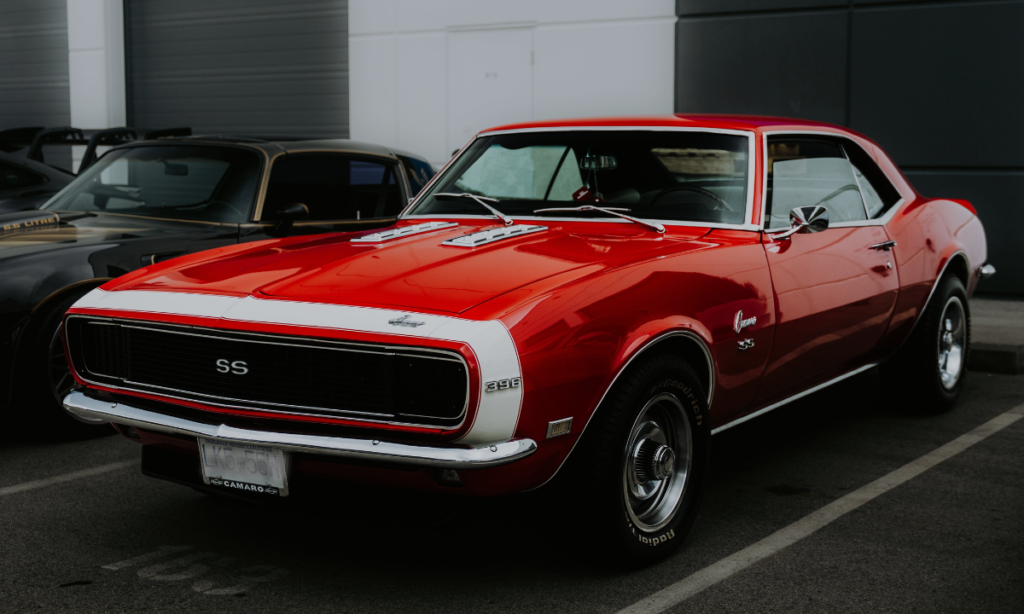
If one colour defines the Ford Falcon GT-HO, it’s Vermilion Fire – a brilliant, fiery red-orange that screams 1971. It famously appeared on the legendary XY GT-HO Phase III, the car once recognised as the fastest four-door production sedan in the world. A genuine Vermilion Fire Phase III is among the most valuable and revered Australian cars in existence.
8. Wild Violet
Exactly what the name promises – a striking purple that was offered on the XW and XY Falcon GT range. Paired with white or black trim, Wild Violet is one of the most sought-after and dramatic factory colours of the entire Australian muscle car era. A genuine Wild Violet GT-HO is the stuff of collector dreams, with values reflecting its desirability.
9. Brambles Red
A deep, rich red seen on the XW Falcon GT, Brambles Red offered a slightly more classic and understated take on the muscle-car red than the fluorescent Vermilion Fire – but it’s no less desirable today on a genuine GT. It’s a colour that has aged beautifully and suits the GT’s muscular lines.
10. Zircon Green
Worn by the XA Falcon GT, Zircon Green is a metallic green that perfectly captures the colour mood of the early-1970s. On a big-tag XA GT, the combination of that bodywork and Zircon Green is a genuine head-turner and a favourite among Ford restorers chasing authenticity.
11. Monza Green
Another evocative, motorsport-named green – this time after the famous Italian circuit. Monza Green graced examples of the XY GT and matched with the right trim it gave the Falcon a deep, sophisticated presence. It remains a classic, collectible Falcon shade.
The Modern Performance Era
The Australian love affair with the boldly-named hero colour didn’t end with the original muscle cars. As the Falcon and Commodore evolved into the modern performance sedans of the 1990s and 2000s, the wild names – and wild colours – came roaring back.
12. Brut (Brut 33 Green)
A vivid metallic green strongly associated with the HSV era of Holden performance, Brut became one of the signature loud colours of the modern muscle Commodore. Its bright, in-your-face character was a deliberate throwback to the spirit of the original muscle cars and it found a devoted following among HSV enthusiasts.
13. Sting (Sting Yellow / Devil Yellow)
Bright, aggressive yellows became a hallmark of late-model Holden and HSV performance cars, designed to make a Commodore SS or GTS impossible to overlook in traffic. These high-impact yellows continued the long Australian tradition of the unmissable hero colour into the new millennium.
14. Velocity (Ford Performance Blue/Orange)
Ford’s modern FPV and XR performance Falcons revived the brand’s appetite for bold, energetic colours, with vibrant blues and oranges that echoed the GT heritage of the 1970s. These colours helped cement the visual identity of the final generations of Australian-built Falcon performance cars.
15. Phantom Black
As with the original era, the modern muscle car always kept a place for menacing black. On the final Falcon GT and Commodore SS-V and GTS models, deep blacks gave these last Australian-built V8 heroes a purposeful, brooding presence – a fitting colour for the end of an era.
Getting the Colour Right on a Restoration
For anyone restoring a genuine Australian muscle car, the original factory colour is one of the most important details to verify and preserve. The body tag (or build plate) carries the paint code that identifies the exact as-delivered colour – and matching that code precisely is essential both for authenticity and for value. Resources like the dedicated Holden and Torana paint-code databases, marque car clubs and original colour charts held by institutions such as the State Library of South Australia are invaluable for confirming exactly what shade a car left the factory wearing.
It’s worth remembering that records from this era aren’t always complete – Holden itself does not hold full records of the early LC and LJ Torana colours, which is why the original paint-and-trim tag on the car is so critical. If that tag is missing, restorers often hunt for traces of the original colour hidden under roof linings, behind door trims and beneath parcel shelves.
| VERDICT More Than Just Paint Australia’s muscle car colours are a vivid chapter of our motoring identity – bold, brash and brilliantly named, from Strike Me Pink to Vermilion Fire. For collectors, a genuine survivor still wearing its original factory hue is the ultimate prize. These colours aren’t just paint; they’re a direct link to the golden age of Australian performance, when our cars wore their attitude on the outside. Which one would you park in your garage? |