


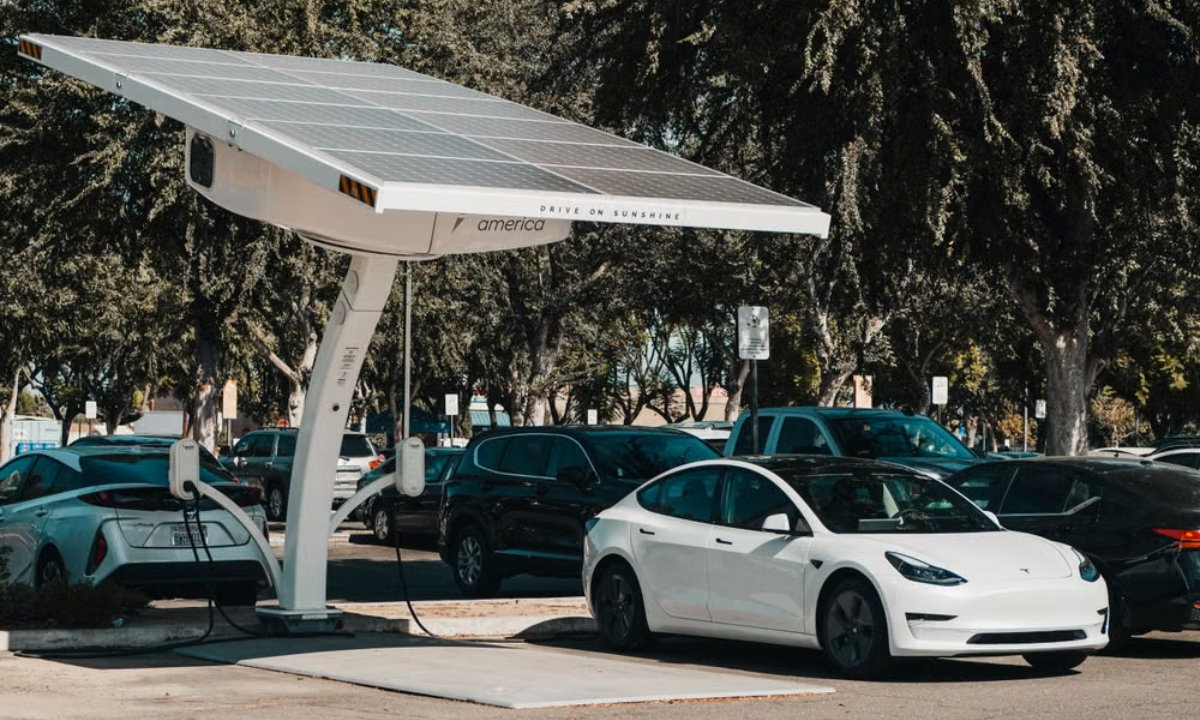

Australia’s electric vehicle market is accelerating rapidly. With multiple new models launching this year, buyers have unprecedented choice in the EV space. Here’s what’s actually arriving on Australian shores in 2026.
The Major Launches
Volkswagen ID.7 Pro S (from $68,990 AUD)
Volkswagen’s flagship EV sedan is finally here. The ID.7 Pro S delivers 82 kWh battery capacity with real-world range of approximately 560 km. Charging from 10-80% takes 25 minutes using a 175 kW fast charger. For Australian buyers, the 10-year battery warranty and five-year roadside assistance are significant confidence builders.
Kia EV6 GT-Line (from $59,990 AUD)
Kia’s proven performer gets a refresh for the Australian market. The GT-Line variant includes adaptive suspension and improved thermal management for Australian heat. Real-world efficiency sits at 5.1 km/kWh under normal driving. Kia’s expanding charging network partnership makes ownership practical across regional Australia.
BYD Atto 3 Extended Range (from $54,490 AUD)
The extended-range variant adds 100 km to the standard model’s range, reaching 480 km total. BYD’s Blade battery technology proves more stable in high-temperature conditions than many competitors valuable for Australian summers. Fast charging capability reaches 80% in 35 minutes.
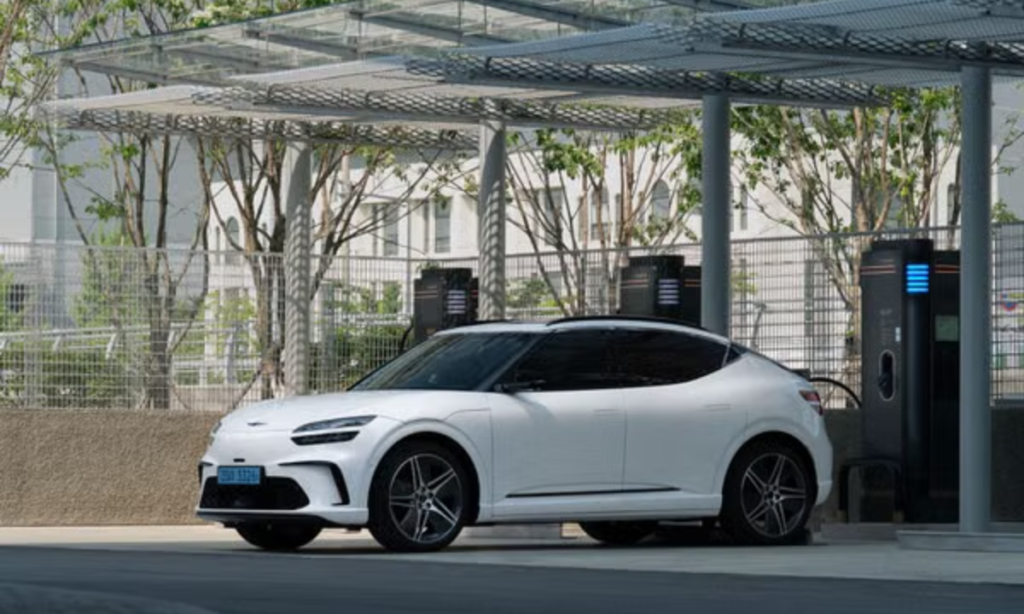
Market Context
Australia’s EV adoption rate hit 14.2% of new vehicle sales in Q1 2026, up from 8.9% last year. This acceleration reflects improved model diversity, falling prices and consumer confidence in charging infrastructure.
The Energy Networks Association reports 4,847 public charging points nationwide as of June 2026, up 34% from January. Regional coverage remains the limiting factor most new chargers concentrate in capital cities and major highways.
Pricing Reality
Australian EV prices reflect import costs, local taxes and currency fluctuations. New models arriving now average 8-12% lower than equivalent 2025 pricing. However, buyers should expect prices stabilize rather than drop further in the second half of 2026.
Government incentives vary by state. Victoria’s electric vehicle purchase subsidy ($3,500 for models under $70,000) expires December 31, 2026. NSW offers no state-level incentives but provides registration discounts ($557 per year). Tasmania and South Australia continue transition policies favoring EVs.
Why This Matters
Consumer choice drives market maturity. More models in different price segments mean EVs aren’t limited to premium buyers anymore. The EV6, ID.7 and Atto 3 compete directly across the $50-70k segment Australia’s sweet spot for family vehicle purchases.
Charging standardization matters too. All new arrivals use CCS2 charging the Australian standard established in 2021. No proprietary charging incompatibility headaches like earlier EV adopters faced.
| VERDICT 2026 marks the year EVs stopped being novel and became practical. The new arrivals offer real-world range for Australian driving patterns, competitive pricing against petrol equivalents and infrastructure finally catching up to vehicle supply. Whether you’re waiting for the perfect EV or considering your first electric purchase, this year presents the strongest lineup yet. The question has shifted from “Can I make an EV work?” to “Which EV works best for me?” |