


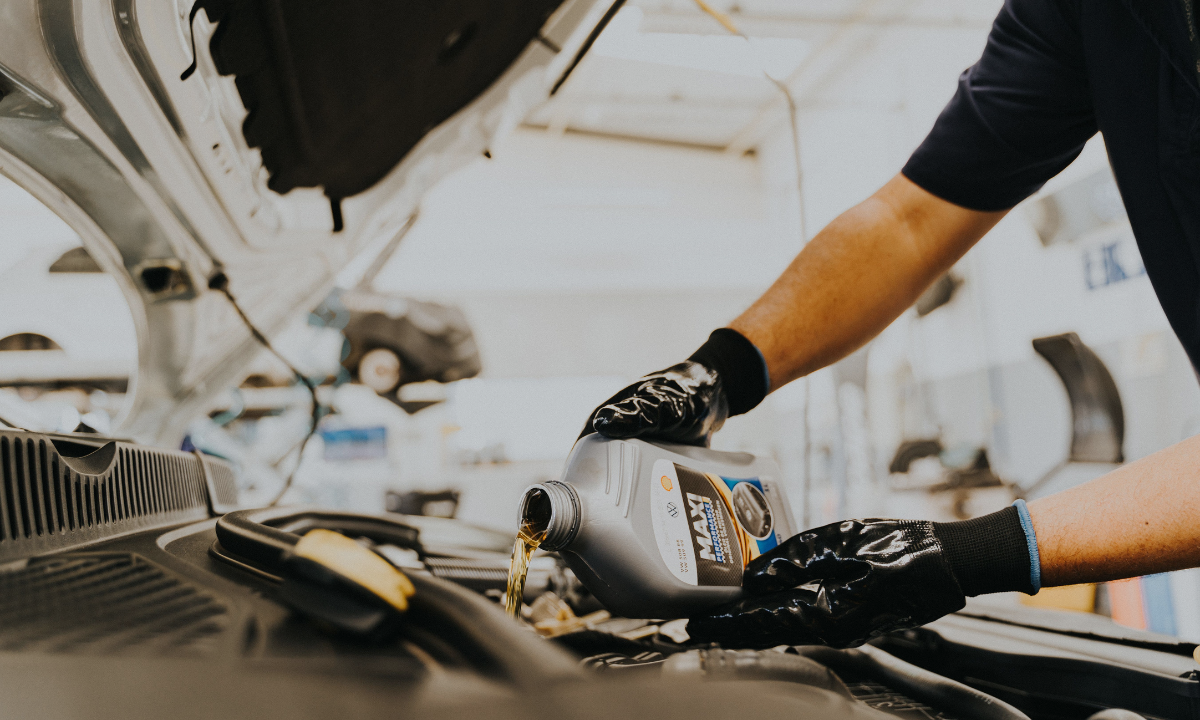

Service Intervals and Fluid Checks
Modern vehicles typically follow:
Oil changes: Every 10,000 km or 12 months (whichever comes first)
Filter replacement: Every 10,000 km with oil changes
Fluid level checks: Monthly for safety and early problem detection
Monthly Fluid Checks
Engine oil level: Park on level ground. Wait 5 minutes after engine shutdown for oil to drain to pan. Pull dipstick, wipe clean, reinsert fully, and withdraw. Oil should reach between minimum and maximum marks.
Coolant level: Check with engine cold (risk of scalding if checked hot). Coolant should reach minimum line in overflow tank. Add distilled water and coolant concentrate if low.
Brake fluid: Located near driver’s side wheel well or engine bay. Fluid should reach maximum line. Check condition: dark/discoloured fluid indicates age and requires replacement.
Windscreen washer fluid: Straightforward top-up; use quality washer fluid suitable for Australian heat.
Power steering fluid: Check when engine is cool. Fluid should reach maximum mark.
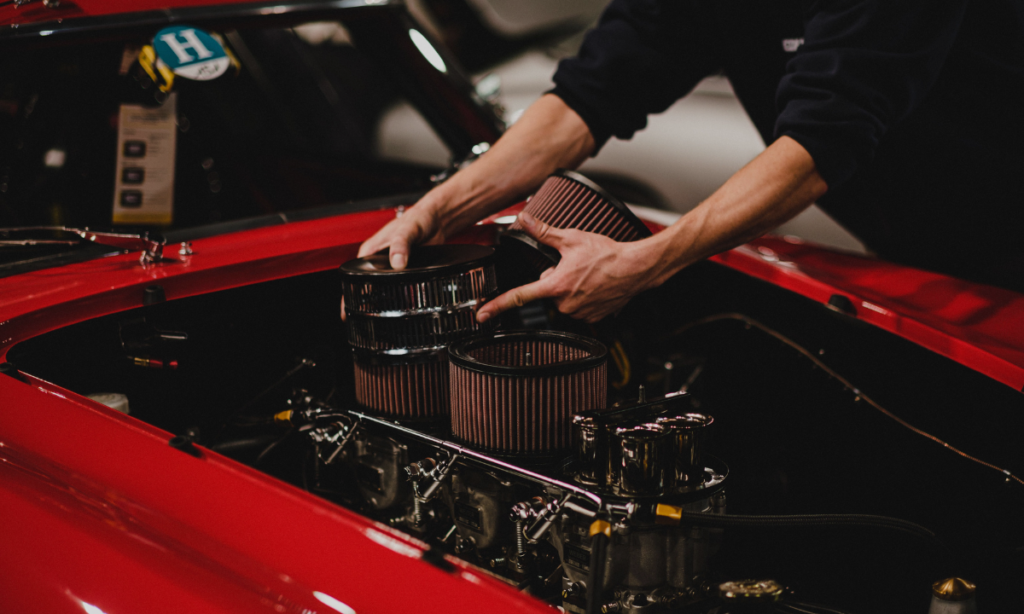
DIY Oil Change Process
Required Equipment
Jack and jack stands: Essential for vehicle safety (DO NOT work under vehicle supported only by jack)
Wrench set: Socket wrench fitting your vehicle’s drain plug
Oil drain pan: Catch hot oil safely
Oil filter wrench: Removes old filter
Ramps or blocks: Alternative to jack (safest option)
New oil and filter: Manufacturer-specified type and quantity
Gloves and rags: Protection from hot oil
Step-by-Step Process
1. Warm engine: Run engine for 2–3 minutes to warm oil (easier drainage)
2. Drain old oil: Locate drain plug (underside, front-left typically), position pan, loosen plug with wrench, unscrew by hand, let oil fully drain (10–15 minutes)
3. Replace drain plug: Wipe plug, reinstall with new crush washer, tighten firmly (not over-tight risks stripping thread)
4. Remove old filter: Position drain pan, loosen filter with wrench, unscrew by hand, drain residual oil
5. Install new filter: Coat rubber seal with new oil, hand-tighten only (over-tightening damages seal), backing off 3/4 turn after seal contacts
6. Add new oil: Pour specified amount (check dipstick after pouring)
7. Check level: Run engine 30 seconds, let settle 5 minutes, check dipstick and top-up if needed
Cost Breakdown
Oil (5L): $20–$40
Filter: $8–$15
Labour savings: Professional oil change costs $80–$150
Performing your own oil changes saves $60–$110 per service.
Filter Replacement
Air Filter
Every 20,000–40,000 km (or annually), air filter replacement improves engine breathing and efficiency.
Process: Locate air filter box (engine bay), release clips, remove old filter, insert new filter (note airflow direction), secure clips. Time: 5 minutes.
Cost: Filter $15–$30; labour savings $40–$80.
Cabin Air Filter
Every 15,000–30,000 km, cabin air filter replacement improves air conditioning efficiency and cabin air quality.
Location: Often behind glove box or under dashboard. Some vehicles have engine bay location.
Process: Vary by vehicle but generally straightforward clip/bracket release. Time: 10–20 minutes.
Cost: Filter $20–$40; labour savings $50–$100.
Fluid Top-Ups and Maintenance
Coolant System
Top-up coolant when cold (risk of burns if hot). Use distilled water mixed with coolant concentrate at recommended ratio (typically 50/50 water to concentrate).
For complete coolant flush (major maintenance): Professional service recommended due to flush equipment requirements.
Brake Fluid
Brake fluid hygroscopic absorbs moisture from air, degrading performance. Replace every 2 years or per manufacturer recommendation. Old brake fluid appears dark/discoloured.
Brake fluid replacement requires special care; consider professional service for safety reasons.
Power Steering Fluid
Most vehicles require professional power steering flush due to system pressure and complexity. However, checking and topping-up is straightforward DIY task.
Australian Climate Considerations
Heat Management
Australian summer heat accelerates fluid degradation and thermal stress. Implications:
Check fluids more frequently during hot months
Park in shade to reduce engine compartment temperature
Use higher-viscosity oils in some cases (check manufacturer recommendation)
Consider synthetic oils for superior heat stability
Dust and Contamination
Australian dust is alkaline and abrasive. Implications:
Replace air filters more frequently (every 10,000–20,000 km in dusty areas)
Use quality fuel filters (prevent fuel system contamination)
Keep underbody clean (prevents dust accumulation on components)
Safety Considerations
Never work under vehicle without proper support. Jack stands are essential; working under a vehicle supported only by a hydraulic jack has killed experienced mechanics.
Allow engine cooling time. Hot oil and hot engines cause severe burns. Wait 30+ minutes after driving before working on engine bay.
Dispose of old oil properly. Never pour used oil down drains or dump on ground (environmental contamination). Take to service stations or waste disposal facilities that accept used oil.
The Verdict
DIY maintenance saves money, builds mechanical knowledge, and keeps vehicles in optimal condition. Start with simple tasks checking fluid levels, replacing air filters, oil changes. Progress to more complex maintenance as confidence builds.
For Australian drivers, regular maintenance addressing climate challenges (heat, dust, salt air) maintains reliability and extends vehicle lifespan. Performing basic DIY maintenance every 2–3 months (fluid checks, filter replacements) costs under $100 yet prevents expensive repairs from deferred maintenance.
Your vehicle’s reliability depends on consistent maintenance. Start today.
DIY Maintenance Cost Comparison
| Service | DIY Cost | Professional Cost | Savings |
| Oil change | $30–$55 | $80–$150 | $50–$120 |
| Air filter | $15–$30 | $50–$80 | $35–$65 |
| Cabin filter | $20–$40 | $70–$100 | $50–$80 |
| Fluid top-up | $10–$25 | $40–$80 | $30–$70 |