


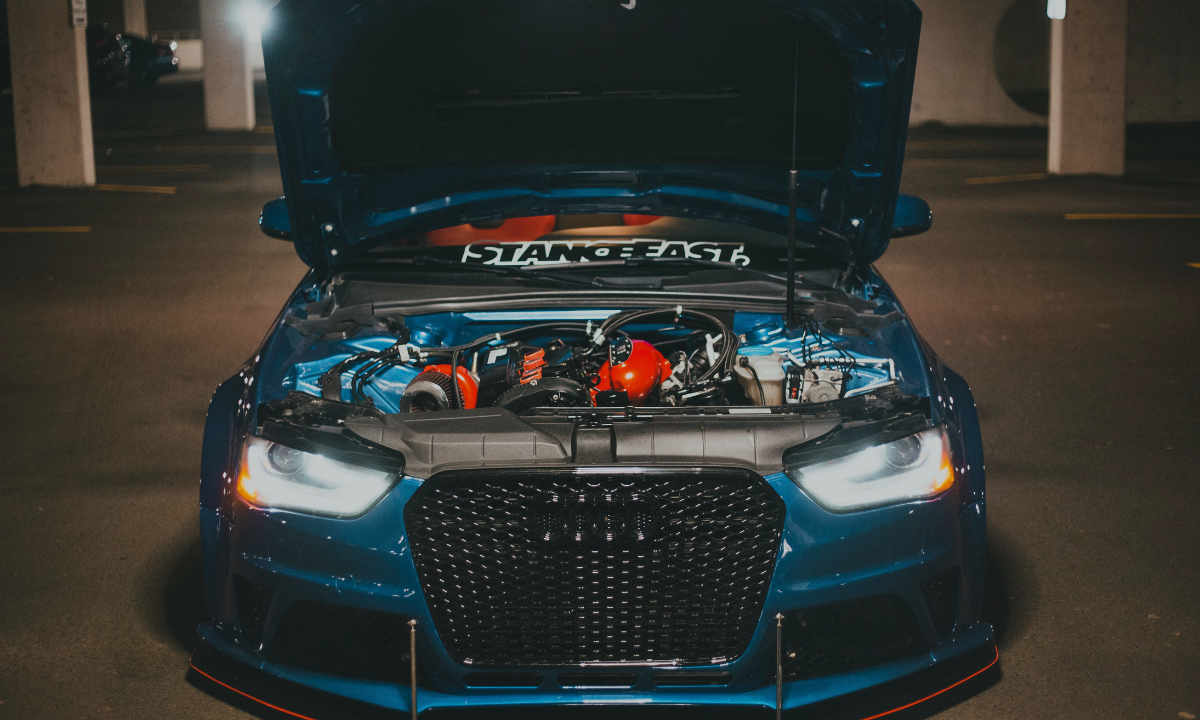

Turbochargers vs Superchargers
Turbochargers
Turbochargers use exhaust gas energy to spin a turbine, compressing incoming air for greater power output.
Advantages:
Higher efficiency (recovery of exhaust energy)
More compact installation
Better fuel economy than supercharger
Widespread availability of kits
Disadvantages:
Turbo lag (delay before boost pressure builds)
Higher exhaust temperatures
Complexity of installation
Potential for overboosting if improperly tuned
Superchargers
Superchargers use belt-driven compressors (mechanical), spinning off engine crankshaft to compress incoming air.
Advantages:
Immediate response (no lag)
Linear power delivery
Simpler installation than turbo
Cooler charge air
Disadvantages:
Lower overall efficiency (mechanical losses)
Belt-driven parasitic drag
Higher installation costs
Less variety of kits available
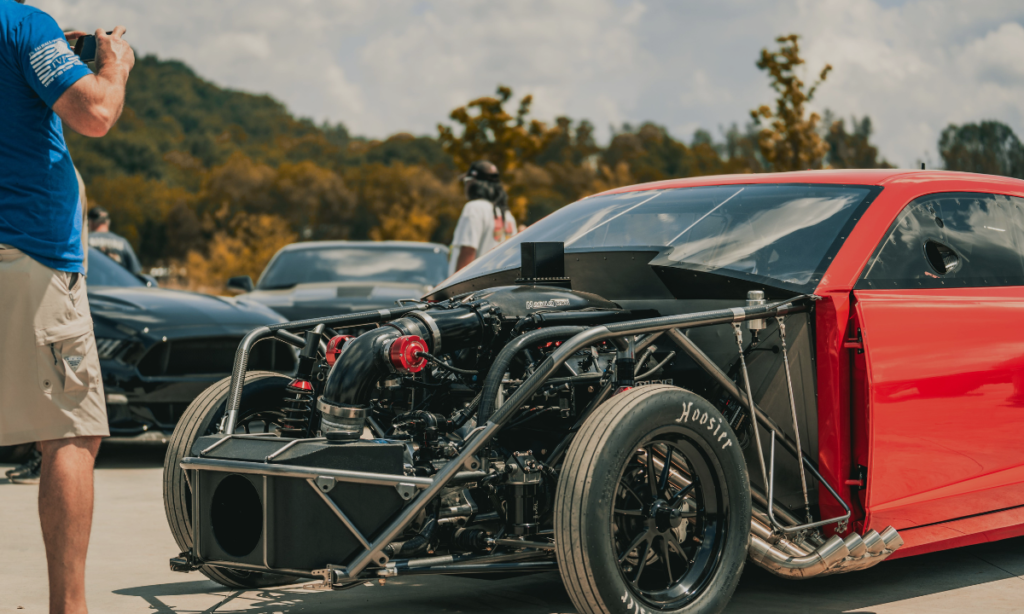
Performance Gains
Realistic power figures depend on baseline engine and boost pressure:
Small Four-Cylinder (2.0L)
Stock: 140 hp
Turbo (10 psi): 200–220 hp (+40–50%)
Turbo (15 psi): 240–260 hp (+70–80%)
V6 Engine (3.0L)
Stock: 200 hp
Turbo (12 psi): 280–300 hp (+40%)
Supercharger (8 psi): 270–290 hp (+35%)
V8 Engine (5.0L)
Stock: 350 hp
Turbo (12 psi): 450–480 hp (+30%)
Supercharger: 420–450 hp (+25%)
These gains assume quality tuning, proper fuel octane, and supporting modifications.
Engineering and Certification Requirements
Australian law is explicit: Forced induction modifications require certified engineer design, installation verification, and formal approval before registration.
Engineering Process
1. Consult certified automotive engineer experienced with forced induction
2. Design modification ensuring:
– Structural integrity (intercooler mounts, exhaust manifold welds)
– Cooling system adequacy (larger radiator, intercooler, thermal management)
– Fuel system capacity (may require fuel pump upgrade)
– Engine protection (boost control preventing over-boost)
3. Obtain engineer’s design certificate (costs $800–$1,500)
4. Install per specifications by professional automotive workshop
5. Obtain installation verification certificate ($200–$400)
6. Submit to inspection station within 30 days
7. Update registration with approved modification documentation
Total engineering and certification costs: $1,000–$2,000 before installation.
Installation Costs
Turbocharger Installation
Quality turbo kit: $3,000–$8,000 (depends on engine type and kit completeness)
Installation labour: $2,000–$4,000 (15–30 hours)
Supporting modifications: $1,000–$3,000 (fuel injectors, ignition system, intercooler plumbing)
Total typical cost: $6,000–$15,000
Supercharger Installation
Quality supercharger kit: $5,000–$12,000
Installation labour: $1,500–$3,000 (12–24 hours)
Supporting modifications: $500–$1,500 (minor upgrades typically sufficient)
Total typical cost: $7,000–$16,500
Reliability Considerations
Properly engineered forced induction improves reliability over aggressive naturally-aspirated builds. Key factors:
Engine durability depends on:
Boost levels: Conservative 8–10 psi generally reliable; aggressive 15+ psi demands supporting modifications
Fuel quality: 95+ RON essential; 98 RON recommended for 12+ psi boost
Engine condition: Older engines with high mileage less suitable than newer units
Supporting systems: Cooling, fueling, ignition must match boost level
Realistic lifespan: Well-engineered turbo engines operate reliably for 200,000+ km if maintained properly.
Emissions and Compliance
Modern forced induction installations must maintain emissions compliance. This requires:
ECU tuning by specialist with dynamometer verification
Exhaust system design meeting noise and emissions standards
Fuel system verification ensuring lean/rich mixture appropriate for boost level
Non-compliant modifications result in registration refusal and vehicle impoundment.
Maintenance and Ongoing Costs
Turbo/supercharger installations increase ongoing maintenance costs:
Synthetic oil: Required ($80–$150 per change vs $30–$55 for standard)
Oil change intervals: May shorten to 8,000 km vs 10,000 km
Coolant system: More aggressive cooling requires monitoring
Intercooler maintenance: Needs regular cleaning (remove dirt/debris)
Boost control checks: Professional inspection annually recommended
Annual maintenance cost increase: $500–$1,000.
DIY vs Professional Installation
DIY installation is illegal and unregistrable in Australia. Working with certified engineers and professional workshops is mandatory.
Attempting DIY installation risks:
Vehicle confiscation
Registration cancellation
Substantial fines
Personal liability if mechanical failure causes accident
The legal path is clear: work with professional engineers and workshops.
The Verdict
Turbocharging and supercharging deliver legitimate performance increases when installed by professionals following ADR requirements. Engineering costs ($1,000–$2,000) and installation expenses ($5,000–$15,000) require serious commitment, but results justify investment.
For Australian enthusiasts seeking performance, forced induction remains the most cost-effective, reliable modification when properly engineered and installed.
The choice is straightforward: do it professionally and legally, or don’t do it at all. Australia’s modified car community thrives because proper engineering keeps cars safe and legal. Respect that system.
Forced Induction Cost Summary
| Item | Cost Range (AUD) |
| Engineer consultation & design | $800–$1,500 |
| Turbo/supercharger kit | $3,000–$12,000 |
| Installation labour | $1,500–$4,000 |
| Supporting modifications | $500–$3,000 |
| Certification & inspection | $500–$700 |
| Total typical cost | $6,000–$21,000 |
| Ongoing annual maintenance | $500–$1,000 |