


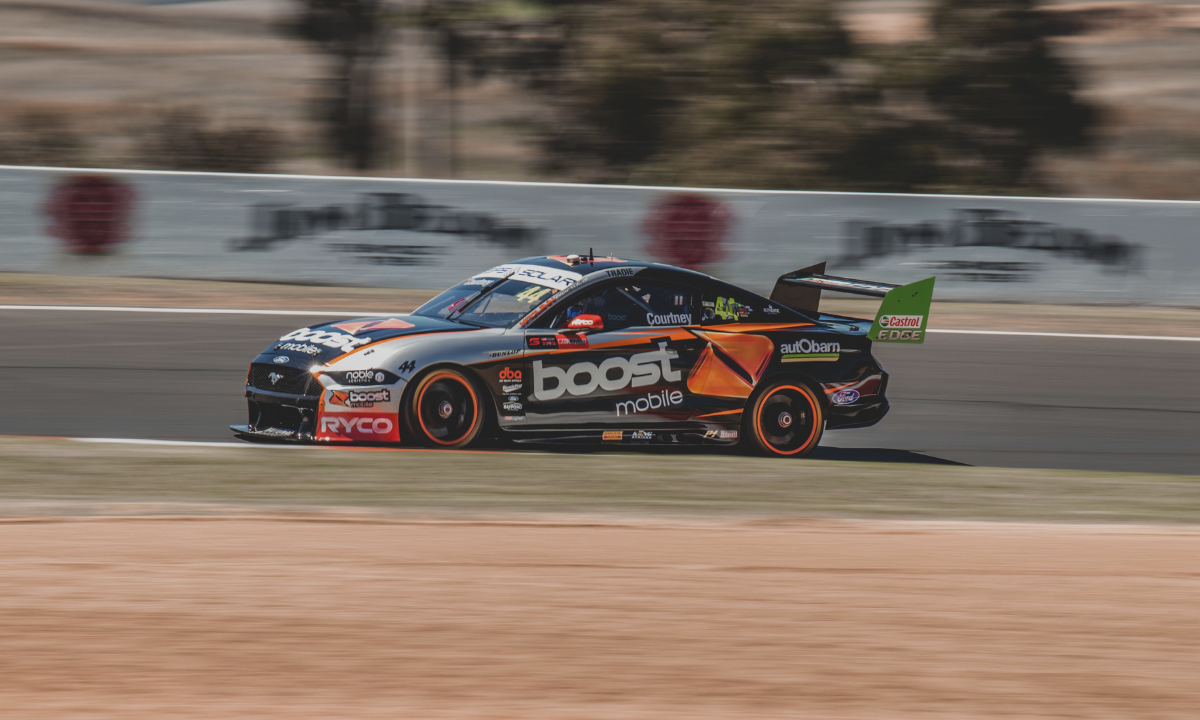

The Format: 12 Hours of Continuous Racing
Unlike the Bathurst 1000’s defined lap structure, the Bathurst 12 Hour is purely time-based. Whichever car completes the most laps in 12 hours wins making strategy, pit efficiency, and driver performance equally important.
Typical Distance
Most GT3 cars complete 320 350 laps over 12 hours, equating to approximately 1,990 2,185 kilometres. This massive distance at circuit speeds demands exceptional mechanical reliability and driver stamina.
Driver Requirements
Teams field three drivers, each typically driving 3 4 hour stints. This means:
Individual stints: 3 4 hours of continuous high-speed driving
Physical demands: 12 hours total racing with pit breaks for driver changes and fuel
Mental fatigue: Concentration required throughout, particularly during night stints
Mechanical understanding: Drivers must communicate car issues to engineers
The GT3 Car Category
The Bathurst 12 Hour is contested by GT3 supercars the most competitive and expensive racing cars outside Formula 1.
Typical Competitors
Porsche 911 GT3: The dominant platform; multiple entries annually
Lamborghini Huracán GT3: Italian performance with strong reliability
BMW M4 GT3: German engineering with multiple entries
Ferrari F488 GT3: Rare and competitive
Mercedes-AMG GT3: Consistent performer
Cost Context
A competitive GT3 car costs $2 4 million. Entry fees for the Bathurst 12 Hour run $150,000 $300,000+ depending on car specifications. Professional teams typically manufacturer-supported operate on budgets exceeding $3 5 million annually.
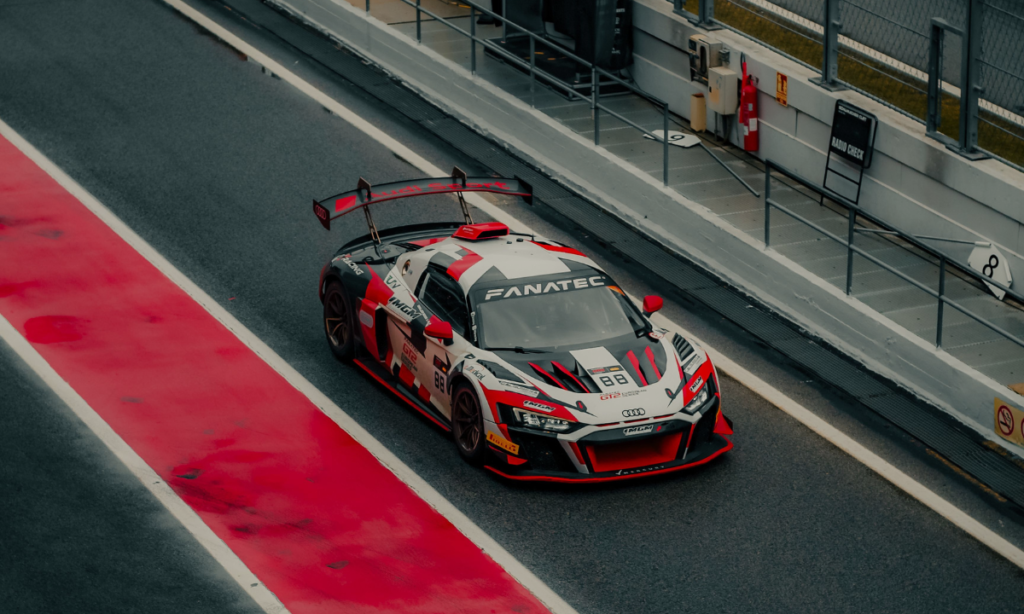
Pit Strategy and Fuel Economics
With 12 hours and 330+ laps, fuel strategy dominates outcomes.
Fuel Stops
GT3 cars carry approximately 70 80 litres and consume roughly 15 20 litres per hour depending on driving intensity. Most cars pit every 50 60 minutes for fuel and driver changes.
This creates approximately 12 pit stops per car over 12 hours each pit stop representing 1 3 minutes of lost racing time.
Pit Crew Coordination
Professional teams employ:
Fuel attendants: Rapidly fuel the vehicle while driver exits
Tyre specialists: Mount fresh tyres for grip maintenance
Mechanics: Address any mechanical issues
Engineers: Analyse telemetry and communicate setup adjustments
Pit efficiency directly impacts race outcomes. A 1-minute pit stop versus 1.5 minutes represents 6+ minutes lost over 12 pit stops often the difference between winning and finishing second.
Circuit Strategy: Mount Panorama’s Challenge
Mount Panorama’s 6.213 km layout presents unique strategic challenges over 12 hours.
Tyre Degradation
Tyres degrade significantly over 4-hour stints, particularly during day stints when track temperature exceeds 40°C. Teams must balance:
Fresh tyres early: Better grip but wearing out before driver change
Delayed tyre changes: Saving new sets for critical periods
Night driving advantage: Cooler track temperatures extend tyre life
Fuel Strategy Trade-offs
Full fuel tank stints: Heavier vehicle, slower overall lap times
Minimum fuel stints: Lighter vehicle, faster lap times but more frequent stops
Teams monitor fuel consumption telemetry throughout the race, adjusting strategy based on competitor pace and fuel availability.
Endurance Racing Challenges
Physical Demands
Four-hour stints at circuit pace demand exceptional physical fitness:
G-force exposure: 1.5 2.0 lateral G through corners; cumulative fatigue is significant
Thermal load: Cockpit temperatures exceed 50°C despite safety suits
Concentration: Mental fatigue accumulates over extended driving
Dehydration: Drivers lose 1 2 kg per hour through perspiration
Professional drivers condition specifically for endurance events, incorporating cardiovascular fitness and mental toughness training.
Technical Challenges
Vehicle setup evolution: Track conditions change throughout 12 hours; engineers adjust front wing, tyre pressures, and brake bias
Traffic management: Overtaking backmarkers while racing frontrunners
Weather changes: Possible rain impacts all strategic decisions
Equipment reliability: Mechanical failures eliminate competitors; reliability separates winners from non-finishers
Watching Bathurst 12 Hour
Event Schedule
The Bathurst 12 Hour typically runs as a single race spanning Friday evening through Saturday afternoon, with practice and qualifying Thursday.
Typical timeline:
Thursday: Practice, qualifying
Friday: Warm-up, final preparations
Saturday: 12-hour race (usually starting 7 am or 8 am)
Spectator Experience
Unlike the Bathurst 1000’s carnival atmosphere, the 12 Hour emphasises racing intensity. Facilities include:
General admission grandstands ($50 $100/day)
Premium hospitality ($300 $600/day)
Pit lane viewing (premium ticket holders)
Watching 12 hours of continuous racing tests spectator patience many enthusiasts view key periods (opening hour, midday, final hour) rather than the entire event.
Broadcasting
10 Sport and online platforms broadcast the entire 12-hour event live, with commentary and analysis available throughout.
The Verdict
The Bathurst 12 Hour represents endurance racing at its most demanding. Drivers push GT3 supercars to their limits while managing fuel, tyres, and fatigue over 12 continuous hours. Teams balance speed with reliability, knowing any mechanical failure eliminates 12 hours of effort.
For Australian motorsport enthusiasts, the 12 Hour exemplifies professional racing excellence the complete package of driver skill, mechanical engineering, team coordination, and strategic decision-making.
If you’ve never experienced this event either in person or via broadcast prioritise the Bathurst 12 Hour. It represents racing at its finest.
—
2026 Bathurst 12 Hour Quick Reference
| Aspect | Detail |
| Event Duration | 12 hours |
| Circuit Length | 6.213 km |
| Typical Distance | 320 350 laps (~2,000 km) |
| Car Category | GT3 supercars |
| Driver Requirements | 3 drivers per car, 3 4 hour stints |
| Typical Pit Stops | 12 per car |
| Event Period | Usually February |
| Ticket Cost | $50 $600+ depending on ticket type | | Broadcasting | 10 Sport live coverage |